Politics & Government
Driving Solo to Fort Meade? You're Not Helping
In our first in a series of stories on commuting options to Fort Meade, we look at one-car, one-passenger commuters.


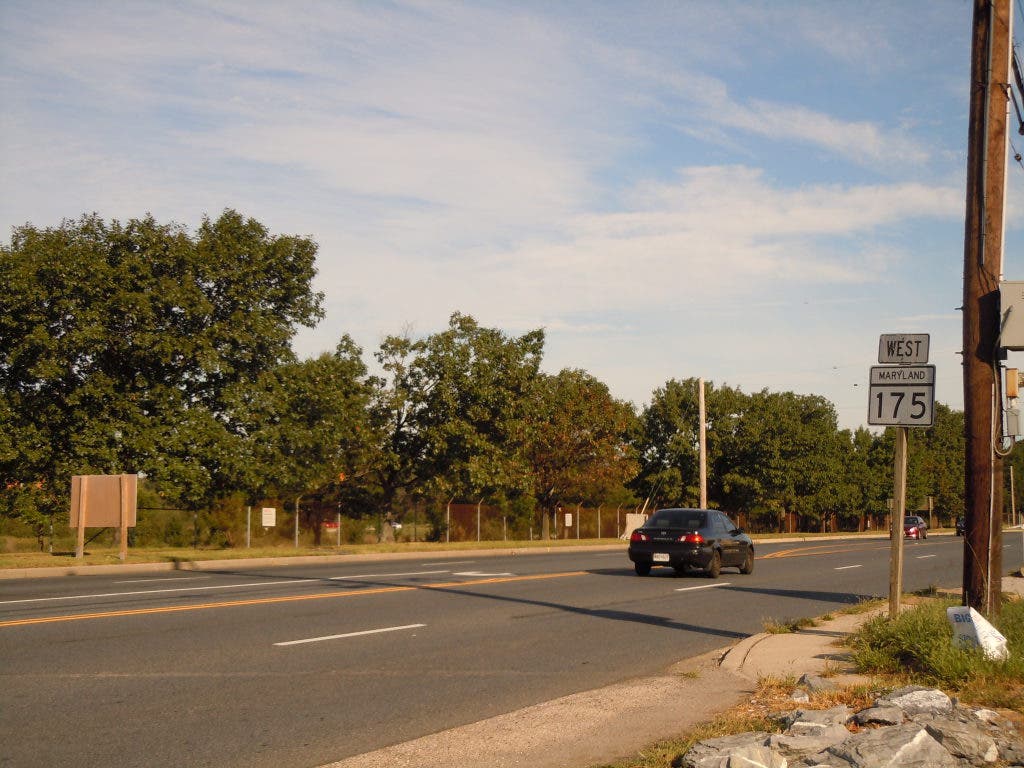
The BRAC move-in has begun. Nearly 1,500 new federal workers have descended on Fort Meade since the beginning of the year, and several thousand more are on their way.
With upgrades to gates and roadways lagging, officials from Fort Meade and Anne Arundel County are encouraging workers to find alternate ways of getting to work. Officials have unrolled a transportation demand management plan in an effort to reduce the number of cars passing through the Fort Meade gates, particularly during peak rush hour.
Officials have outlined more than a half-dozen different alternatives to driving, including public transportation, carpools, private subscription buses and telecommuting.
Find out what's happening in Odenton-Severnfor free with the latest updates from Patch.
This week, Odenton Patch will present a series of stories examining the various commuting options.
We begin today by examining the one commuting method that Fort Meade officials are warning against: driving solo.
Find out what's happening in Odenton-Severnfor free with the latest updates from Patch.
If you’re an employee at Fort Meade and you are driving to work alone, you are part of the majority. About 87 percent of people who work at the base currently drive solo, but officials want to reduce that percentage to closer to 70 percent.
So if you continue to drive alone to work, you’re not being helpful.
No doubt, there are some advantages to driving alone in your car. There’s flexibility, peace and quiet and the ability to listen to whatever radio station or book on tape you want.
But statistics suggest that solo drivers will inevitably be stuck in traffic, especially during peak rush hour times.
Currently, gates at Fort Meade can only accommodate 2,880 vehicles per hour. With the expansion of the workforce at the installation, projections show that more than 3,900 will be arriving during the peak rush. That’s more than 1,000 vehicles beyond capacity.
“We want [solo drivers] to feel like they’re part of the problem, not part of the solution,” said Bert Rice, director of transformation at Fort Meade. “You can do whatever you want, but just remember, you’re part of that bunch of cars that’s backed up out there on the local roadways.”
If you do insist on driving, be aware of a continued parking crunch on base. The best parking spots, like those close to essential office buildings, are off-limits to single-occupancy vehicles.
"It’s the carpoolers, vanpoolers, then the low-emission vehicles," said Jerry Rosenbaum, one of the new workers for the Defense Information Systems Agency, who commutes via MARC train and shuttle bus. "Then it’s the rest of the world, out yonder. You’re looking at a 10-minute walk, easy.”
Fort Meade officials would like you to consider adjusting your work schedule. While most people arrive at the base between 7 a.m. and 8 a.m. and leave between 4 p.m. and 5 p.m., Rice said traffic jams can be virtually eliminated if those cars were spread out over a three hour period. So, consider getting in early or working later, if you can.
“We trying to encourage people to have a more flexible schedule,” Rice said. “What we’re really up against is a culture, and it will require a culture change, not only on the part of the workers but the supervisors.”
For more information on commuting to Fort Meade, check out meaderide.com.
Check in tomorrow for Part II of this series, as we examine commuting to Fort Meade via rail.
Get more local news delivered straight to your inbox. Sign up for free Patch newsletters and alerts.