Politics & Government
Five Questions on Historic Preservation
Patch caught up with officials from the Anne Arundel County Office of Planning and Zoning to get some detail on their role in development and historic preservation.


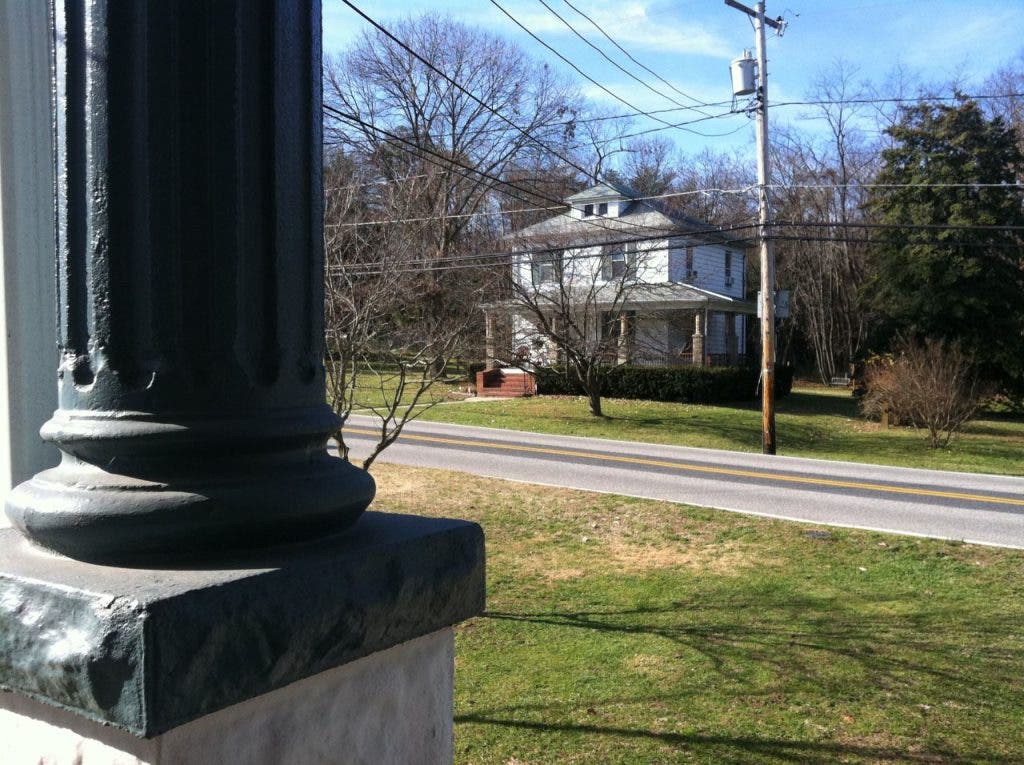
With developers , the Anne Arundel County Office of Planning and Zoning will play an important role.
Patch submitted five questions to the staff in planning and zoning to get details on their role in historic preservation and how it fits in with development in town.
Here are the questions from Patch and the responses as provided by spokeswoman Tracie Reynolds.
Find out what's happening in Odenton-Severnfor free with the latest updates from Patch.
One of the things we learned recently was that the county Office of Planning and Zoning has historians Darian Schwab and Dr. Al Luckenbach on staff. Could you walk us through some of their main functions and responsibilities?
The Cultural Resources Division, which operates in the county’s Planning and Zoning Department, is tasked with protecting the county’s myriad historic sites, buildings and landscapes.
Find out what's happening in Odenton-Severnfor free with the latest updates from Patch.
County legislation protects archaeological sites, historic buildings, cemeteries and scenic and historic roads when development is proposed. Cultural resources staff and consultants conduct site visits and undertake pertinent research to ensure development decisions are based upon current information. This research includes identifying, evaluating and documenting historic resources throughout the county.
Staff coordinates preservation projects and Section 106 review with the Maryland State Historic Preservation Office, as required by federal law, and maintains GIS data on the cultural resources within the county.
The Cultural Resources Division also fields citizen inquiries, offers educational outreach opportunities, (including hands on archaeology programming at county parks and internship/ volunteer opportunities,) and provides advice and guidance for local non-profit preservation groups working to preserve sites in the county.
The Odenton Town Center Master Plan provides information on the historic district and guidelines for development there, including information on preserving historic structures. However, it does not include a full list of historic properties in the area. Does the county maintain such a list, and how can one get a look at it?
At this time, there is not a comprehensive list of contributing historic resources in the Odenton Historic District (see below for definition of contributing resources), as a property’s integrity and significance can change over time and needs to be evaluated on a case-by-case basis.
How were the borders of the Odenton Historic District determined?
The Odenton Historic District boundary, as outlined in the OTC Master Plan, represents the most concentrated and cohesive area of historic resources within old Odenton. In general historic preservation terms, a historic resource is defined as a site, building, structure, district, or object that is significant in American history, architecture, archaeology, and culture, and is generally 50 years old or older.
Within historic districts, specifically, there are either contributing or non-contributing resources. In the Odenton historic district, a contributing resource is a building or structure that contributes to the historic, architectural or cultural significance of Odenton; or a property that possesses archaeological significance.
Who is charged with designating a structure as historic? And how is that designation determined?
In general historic preservation terms, a historic resource is defined as a site, building, structure, district or object that is significant in American history, architecture, archaeology, and culture, and is generally 50 years old or older. Within historic districts, specifically, there are either contributing or non-contributing resources. In the Odenton Historic District, a contributing resource is a building or structure that contributes to the historic, architectural, or cultural significance of Odenton; or a property that possesses archaeological significance.
Based on your knowledge of the Odenton Historic District, what type of new development would be permitted there? Is it possible for developers to build new projects there while still preserving the history, character and cohesiveness of that area?
A list of permitted land uses is provided in chapter 3 of the OTC Master Plan. While one of the main goals of historic preservation is sustainability through the conservation and rehabilitation of the existing built environment, new infill development is possible within historic districts, as long as it is built in a sensitive manner that is compatible with the historic design, character, and setting of that particular area.
Design guidelines for both new construction and improvements to existing conditions were created in the OTC Master Plan to ensure that the character of historic Odenton and of the historic resources within the area would be preserved.
Get more local news delivered straight to your inbox. Sign up for free Patch newsletters and alerts.