Arts & Entertainment
Are You Wasting Money on Music Lessons?
Here's how to tell if your child is progressing in their private music lessons.
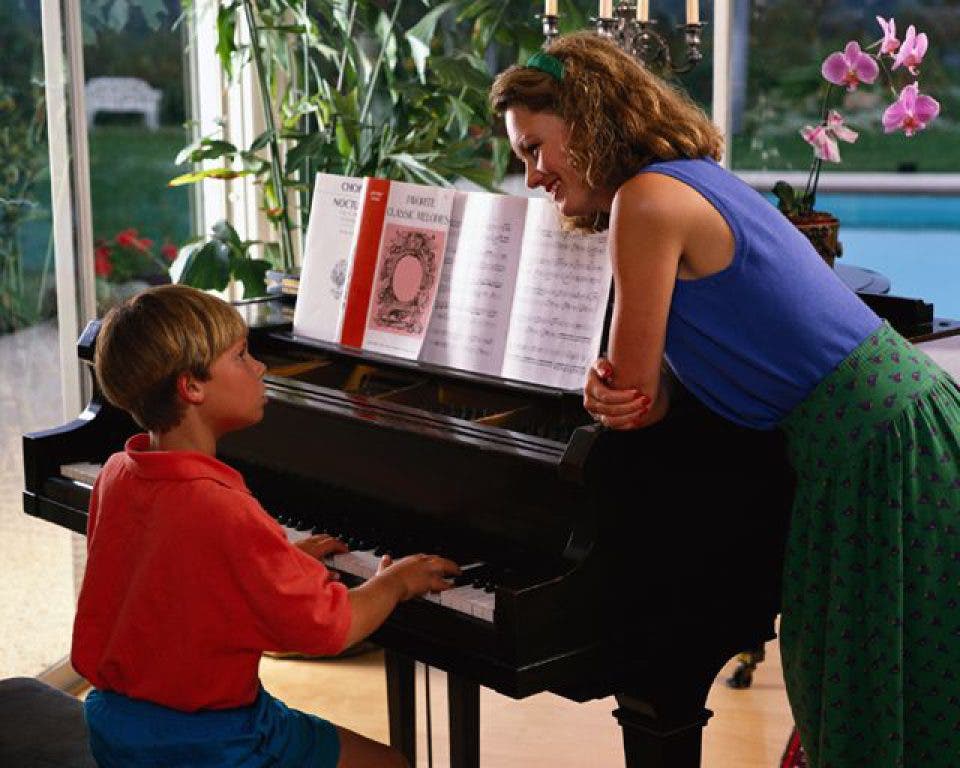
How do you know if your child is enjoying their music lessons? How do you gauge their progress? Are you wasting your money on an activity that won't stick?
I get these questions a lot as a mucic teacher, and sadly, there is no short answer. The only sure thing is if your child says they hate the lessons or the instrument, the lessons are not working and it may be time to move on. If this is not a complaint you hear, then there are a few other things to look for.
Watching your budding musician practice is a good way to observe the progress over time, but that doesn't mean that the amount that they practice is a gauge of their interest. Most 10-year-old players will only spend a day or two out of their week playing their instrument, while a teenager may never put their guitar, bass or keyboard down. Keep in mind that children at every age have to develop the mental abilities to absorb and conceptualize their craft.
Find out what's happening in Owings Mills-Reisterstownfor free with the latest updates from Patch.
Each person absorbs their musical education differently. While a teenager might be concentrating on playing certain styles as fast or as loudly as they can, a 9-year-old might be trying to play the catchy part of a given tune. Students also tend to learn parts of songs that interest them the most, even if they were taught the complete song. Whether that be the catchy hook of the chorus or the first few measures of the solo, what they latch onto depends on the taste of the player. So, if your student is only playing 20 second snippets of a song, this doesn't mean they aren't learning.
It is a common part of the learning process to practice the parts in repetition. It builds dexterity and works on building and controlling muscles. This can be hindered by the quality of instrument that your child is playing since very inexpensive guitars and keyboards are generally harder to play. Make sure that you are consulting your teacher about whether or not the instrument that your student is playing is appropriate for their skill level.
Find out what's happening in Owings Mills-Reisterstownfor free with the latest updates from Patch.
The final thing I'll add is to make sure that there is an open dialogue between you and your instructor. The teacher gets only a glimpse of the students interaction with their instrument, but during these short sessions the instructor can see if there is progress in the students playing and if their is a real interest in the instrument at all. Good communication with your teacher can help gauge if your student is making the most out of their lessons.