Crime & Safety
Baltimore County Police to Wear Body Cameras Starting in 2016
The county executive, police chief decided to push program forward despite opposition from work group studying the issue.



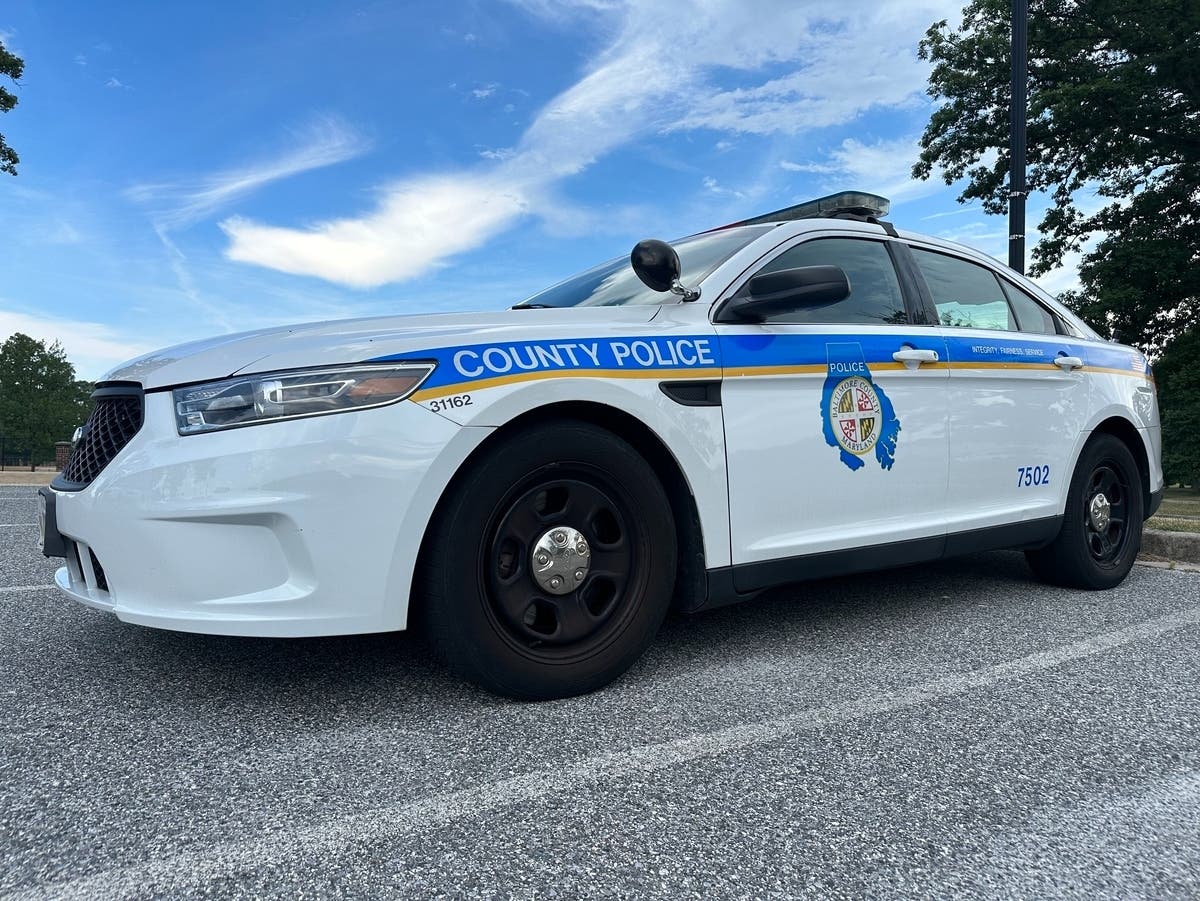
Some Baltimore County police officers will begin using body cameras in July 2016, and nearly all will be equipped with the technology by July 2017, officials announced Thursday.
Police Chief Jim Johnson and Baltimore County Executive Kevin Kamenetz said they decided together to move forward with the police body camera program for reasons such as community relations and improved public safety.
“The public’s trust is invaluable to us, and cameras are one tool that can help us maintain it,” Johnson said. “I support cameras as a way to provide clarity and transparency in some controversial situations.”
Find out what's happening in Owings Mills-Reisterstownfor free with the latest updates from Patch.
The first 150 body-worn cameras will be distributed in July 2016.
An additional 1,285 officers will get them in July 2017, according to a statement from the county, which has a total of 1,900 officers.
Find out what's happening in Owings Mills-Reisterstownfor free with the latest updates from Patch.
The cameras will be distributed equally among the precincts, the department reported.
With the new technology, the county executive said he anticipated better behavior and public safety.
“Body cameras have the potential to improve public safety. We expect both officer and citizen behavior to improve,” Kamenetz said.
The decision to proceed with body cameras runs counter to the recommendation by an 18-member work group of county leaders that Kamenetz commissioned to study the issue earlier this year.
The group’s more than 100-page report concluded that the county should delay or abstain from the program due to the potential costs and what its members said was the lack of empirical data justifying the need for it in Baltimore County. The work group included members of the police department, state’s attorney’s office, office of information technology and police union.
“Our internal data shows downward trends regarding use of force and complaints, and we have very few officers suspended for departmental violations. Our agency has been involved in only a few lawsuits related to use of force in the past several years, most related to TASER usages—an issue recently addressed by the pilot program for TASER cameras. It was noted that the Department sought out TASER camera technology on its own; there has never been a call from the community for TASER cameras or in-car cameras,” according to the report.
Additionally, the demand within the community was not there, according to the work group.
”In our meeting with community representatives, there was no demand for [body-worn cameras],” the report stated.
Among the 18-member group, there were three who supported the use of body cameras and 15 who recommended delaying or opposing their use, according to the group’s report.
The program will cost $7.1 million in first five years: $1.25 million for the cameras and $5.9 million for maintenance of storage (mainly of data from recordings), the statement said.
Next Steps
Baltimore County will wait on developing operating guidelines for body cameras, as there is reportedly a state commission reviewing the use of body cameras that will create standards.
Get more local news delivered straight to your inbox. Sign up for free Patch newsletters and alerts.