Sports
Making the Cut: How to Secure a Spot on Your Fall Sports Team
A former high school athlete, Dave details 10 ways to impress your coach during summer tryouts and boost your stock as a player.
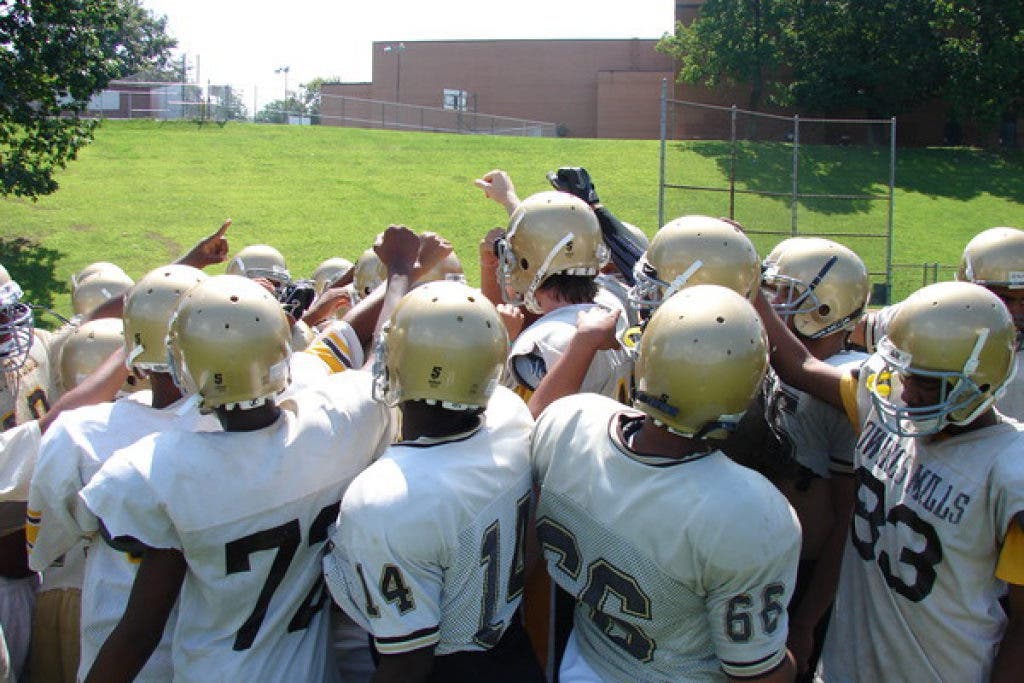
In the three to four weeks of tryouts and preseason practice before high school teams suit up for actual games, coaches spend a considerable amount of time sizing up their players and deciding who they’re going to put their faith behind.
When it comes to prep sports, coaches are looking at far more than just talent, whether you believe it or not. Any coach with some semblance of values will appreciate the player who shows up every day and puts in maximum effort over the kid who relies on ability alone and coasts through each practice just going through the motions.
What I’m saying is, there are some simple ways to standout in a positive way to your coaches. They may sound effortless, but if everyone did them, they wouldn’t be deemed so special.
Find out what's happening in Owings Mills-Reisterstownfor free with the latest updates from Patch.
I’m going to share with you a few ways to give off a great impression at practice. If you’re in danger of getting cut, this could help you get on the team. If you’ve made the team but aren’t making an impact, maybe you’ll be a starter in the weeks to come. If you’re already locked in as a starter, this could get you named team captain.
And, if you’re already a team captain, well, then this is just review.
Find out what's happening in Owings Mills-Reisterstownfor free with the latest updates from Patch.
Here are 10 things you can do at practice to gain favor with your coaches and show them you’re ready to make a difference.
- Be at every practice. No excuses. This to me seems like a give in, but it boggled my mind as a high school athlete seeing teammates who didn’t care enough to show up regularly and then complain about playing time or not being on the team. Almost every coach to a man (or woman) will tell you something along the lines of, ‘I don’t worry about the kids who aren’t here. I coach who’s here.’ Well, if you fall into that first category, find a spot you like on the bench and get used to it.
- Show up on time and ready to play. I learned this one right out of the gate freshman year. School had already started and I decided to attend an after school club meeting in lieu of the beginning of football practice. By the time I arrived to the field, I had lost my starting wide receiver job and been replaced on every special teams unit. When you’re late, you’re essentially telling your coach and your teammates that your time is more important than theirs and that you simply have more important things going on in your life. Overslept? Don’t care. Couldn’t find a ride? Should’ve already worked it out. OK, that’s enough regarding attendance.
- Always hustle during practice. It may be cliché, but it’s flat out true. Coaches love players who hustle. It shows how much the game means to you and how you’ll gut it out for your teammates—even if you have no gas left in the tank. On the other hand, coaches cannot stand players who don’t. If you’re already dogging it in practice, why should they have any faith that you’ll be able to endure an actual game? Hustling consists of running through every drill, jogging to your water break and extending every bit of energy you can bear. If the coach sees you doing that in practice, he knows he’ll get it out of you in a game scenario.
- Don’t be afraid to ask questions. Don’t be shy or embarrassed, or afraid how your coach is going to react. If you don’t know what you’re supposed to be doing (in any situation) and you don’t pipe up, trust me, it’s going to be even worse. If you’re playing offensive line and you don’t know your blocking assignment, ask. If you’re unsure of a high stick rule in field hockey, ask. Positioning on the volleyball court, ask. The coach wants you to know what you’re doing, especially if it’s something you’ve already gone over as a team. Yeah, they might get a little snappy having to repeat themselves, but it will pale in comparison to how they’ll respond if you interrupt practice because you simply don’t have a clue.
- Step up and be a leader. Coaches greatly appreciate leadership qualities because not everyone has them and not everyone knows how to use them. Whether you’re a vocal leader or you’re setting the example with your actions, coaches love it because it’s one less thing they have to worry about. A coach can only say or do so much, but having players hold their teammates accountable is a dream scenario. Now, if you’re a freshman or a first year player, this may not apply to you. But, if you’re one of the older, more experienced players and you see that your team lacks a strong voice, step up and be that person. It shows you have self-confidence and poise and is a great way to stand out among the pack.
- Help a less experienced teammate find his way. This suggestion is similar to No. 5, but it’s something else a coach would love to see. If you see a teammate struggling with a technique or having a tough time grasping anything really, take him aside and work with him. After all, he is your teammate. It shows the coach you really care about the good of the team and are in it for more than just yourself. Doing this will display your maturity as a young adult, compared to say the player who watches a teammate mess up and does nothing or, even worse, laughs at him.
- When the coach is talking, shut up and pay attention. You know how in class teachers really don’t like it when you talk over them during a lesson? It’s pretty much the same for coaches. If they’re putting their time and effort into instructing you on something and you repay them by giggling in the corner or cracking jokes under your breath, it’s going to tick them off. You could have all the talent in the world, but if the coach simply cannot stand you, well then you aren’t going to be on his team, much less play if you do make it. Again, this one to me goes under common sense, but it certainly isn’t for some. If a coach has to waste practice time to discipline you, well, you won’t last very long.
- When in doubt, get in the front. Whether you’re sitting in a meeting or doing a drill on the field, show your confidence and your ability to lead by placing yourself in the front of the room or the line or whatever. Like many of the other suggestions on this list, it shows that you care, and when the coach sees your face in the forefront it just looks good. Anybody can slack off and get in the end of the line or hide in the back of a classroom, but a true stud does neither.
- Are you injured, or just hurt? This is one of the most common coaching clichés around. Basically, if you’re injured, you can’t play and if you’re just hurt, well, you can. As goofy as it sounds, there really is some truth to the saying. Now, if you’ve broken your ankle, don’t go limping onto the field and risk any further damage, but if you’re dealing with a bruise or slightly pulled muscle—basically anything you’re pretty sure you can play through—see if you can’t suck it up and prove to your coach that you really want to be out there. Aside from being physically absent, the best way to make yourself invisible to your coach is by standing on the sideline “hurt.”
- Dedicate yourself to repeating suggestions 1-9, every practice, every scrimmage and every game. Hopefully after awhile, it will all just become routine.