Schools
Public Charter School To Open In Woodlawn
The Watershed Public Charter School is proposing a 2019 opening for the school promoting hands-on and environmental learning.

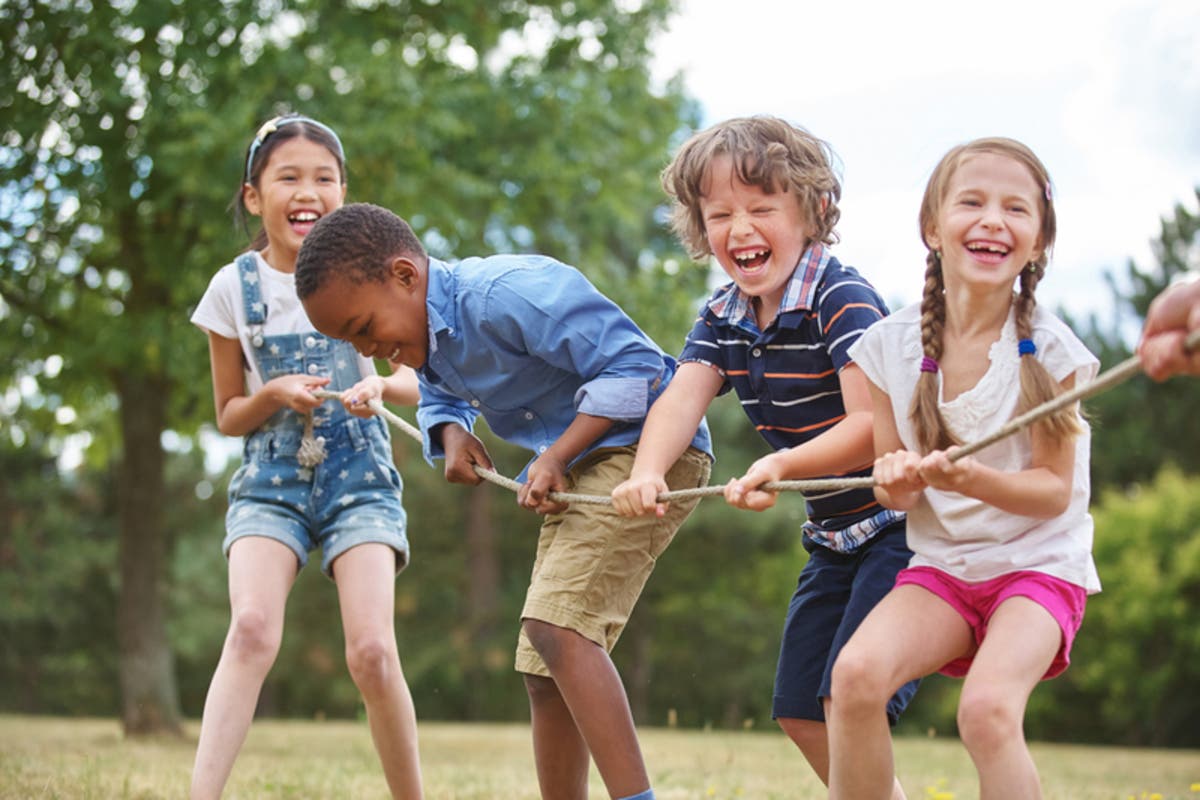
From WPCS:Watershed Public Charter School (WPCS) has been granted a conditional charter after a historic reversal from the Maryland State Board of Education. This was the first opinion to reverse, rather than remand a charter approval. The board of WPCS, a grassroots group of experienced educators, parents, and local professionals will bring this experiential K-8 school to Baltimore County in Fall of 2019. WPCS will open in the Woodlawn Community at 6946 Dogwood Rd. Families interested in enrollment can visit our website at watershedpcs.org or come to an enrollment event. (Please check website and social media for dates).
WPCS was the collective brainchild of Baltimore County parents and teachers, and education professionals. They have designed a curriculum based on well-established research that emphasizes the benefits of hands-on learning, integrated subjects and meaningfully incorporates the outdoors. “Young children should engage in at least 60 minutes and up to several hours of unstructured physical activity* each day. They should not be sedentary for more than 60 minutes at a time except when sleeping. Young children should accumulate at least 60 minutes of structured physical activity each day. (*Unstructured physical activity is sometimes called “free time” or “self-selected free play” that children start by themselves. It happens when children explore the world around them.)
Older children, adolescents, and young adults should engage in at least 60 minutes of physical activity each day.” American Academy of Pediatrics 2008 Report. While modern education reforms place a heavy emphasis on highly-structured and standardized curricula, abundant evidence suggests experiential education is a powerful tool for firming student understanding of core concepts and improving academic performance and attitudes toward self, school and learning. The team at WPCS has written a curriculum inspired by the “Environment as an Integrating Context” method which connects and frames subjects through place-based, students informed projects. Data collected all over the country supports the idea that this method is extremely successful. Some of the results reported in Closing the Achievement Gap, a landmark study, included: higher scores on standardized measures of academic achievement in reading, writing, math, science, and social studies; reduced discipline and classroom management problems; increased student engagement and enthusiasm for learning; and greater pride and ownership in students' accomplishments. Closing the Achievement Gap: Using the Environment as an Integrating Context for Learning
Find out what's happening in Owings Mills-Reisterstownfor free with the latest updates from Patch.
Outdoor space is a priority to WPCS, and an integral part of our curriculum. Our campus includes outdoor learning spaces, a stream, woods, play areas and a micro farm. Daily interaction with these spaces will be a part of classroom instruction, but also supports a child’s developing mind. “Kids exposed to more greenery — as measured by satellite imagery of their schools and neighborhoods — showed not only better attention, but also superior working memory. This study, based on comprehensive characterization of outdoor surrounding greenness (at home, school, and during commuting) and repeated computerized cognitive tests in schoolchildren, found an improvement in cognitive development associated with surrounding greenness, particularly with greenness at schools” Green spaces and cognitive development in primary schoolchildren. The long term impacts of spending time outdoors begins in childhood. Louise Chawla found a striking pattern in her research. Most environmentalists attributed their commitment to a combination of two sources: “many hours spent outdoors in a keenly remembered wild or semi-wild place in childhood or adolescence, and an adult who taught respect for nature.” Children's Concern for the Natural Environment The culture WPCS is committed to cultivating will be one of inclusivity in which all students will feel comfortable learning, exploring and growing together as individual members of a community. WPCS will provide opportunities to prepare the whole student to be a productive member of society by regularly involving students in their greater community through place-based learning, community partnerships, civic engagement and student-generated inquiries.
“Place-based education extends the learning environment beyond the classroom into the rest of the world, and invites the community to get involved as mentors. “The payoff [for place-based learning] can be tremendous, far beyond the higher test scores and orderly classrooms. When you provide opportunities to actively engage kids and give them a chance to participate in community activism and concrete projects, you get students who are really excited about education,” says Sobel. “They don’t just learn about what it means to be a good citizen, they do good citizenship.” Life’s Best Lessons are Learned Outside the Classroom
Find out what's happening in Owings Mills-Reisterstownfor free with the latest updates from Patch.
Image via Shuttershock