Arts & Entertainment
Reisterstown Man Survives Rare Cancer, Prepares Second Novel
Cancer survivor Gerry Kleiman published a novel while he thought he was dying. In recovery, he's now working on another book.

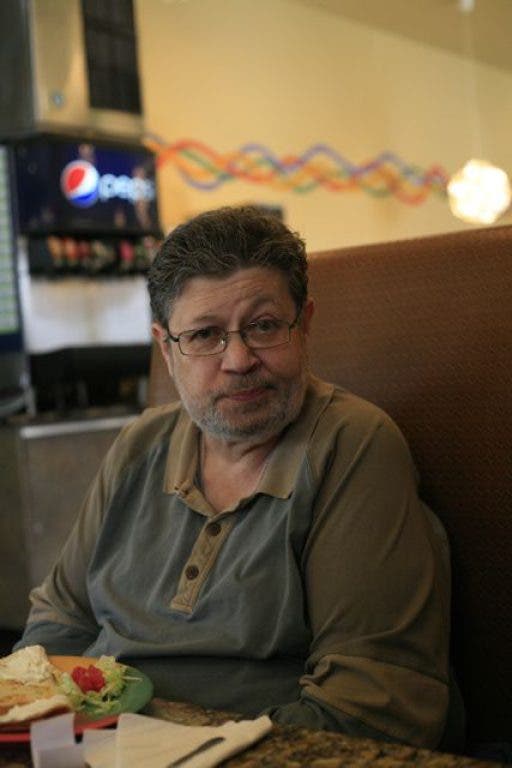

When Gerry Kleiman thought he was near death, he knew he had to write his novel.
As he underwent high-dose chemotherapy treatments for a rare form of cancer, finishing Hidden Claws became a positive outlet that kept his spirits high.
“I was so sick. I knew I was dying,” the Reisterstown resident said. “The one thing I wanted to do was finish this book.”
Find out what's happening in Owings Mills-Reisterstownfor free with the latest updates from Patch.
He was told in the fall of 2008, after being diagnosed with mantle cell lymphoma, that he had 30 months to live. The 63-year-old is now living cancer-free and writing the follow-up to Hidden Claws.
Kleiman, who had a 40-year career in printing and publishing, assembled the original novel using various writings he created over the years. He's approaching the follow-up in a much different way, mapping out a plot rather than combining various stories.
Find out what's happening in Owings Mills-Reisterstownfor free with the latest updates from Patch.
It was no easy journey to get to this point. Kleiman’s health declined in the fall of 2007, and after a year of illnesses, he was diagnosed with the rare cancer, which constitutes 6 percent of non-Hodgkin lymphoma cases in the United States, or 3,000 cases per year, according to the Mantle Cell Lymphoma Consortium.
Doctors said chemotherapy could be a temporary remedy, but the cancer would come back and treatment would be less effective over time. Kleiman’s oncologist said there might be some hope in a Johns Hopkins trial that was experimenting with high-dose chemo treatments. That study was lead by Lode Swinnen, an authority on Kleiman’s illness.
“He said, ‘If we don’t kill you, you’re going to feel a lot better,’” Kleiman remarked.
Diagnosed with thyroid cancer during his trial evaluation, the would-be author was ineligible for the study, but Hopkins doctors still gave him the same high-dose chemo outside of the trial.
“On the days I was sick, I was as low as you could be,” he said.
Adding to the turmoil, Kleiman's wife, Helen, had some melanoma removed from her leg during his treatment. While she recovered, there was a brief period in which both of them were either sick or healing. With the help of friends and family and fellow church members of Sacred Heart Parish of Glyndon, they made it through simultaneous cancers.
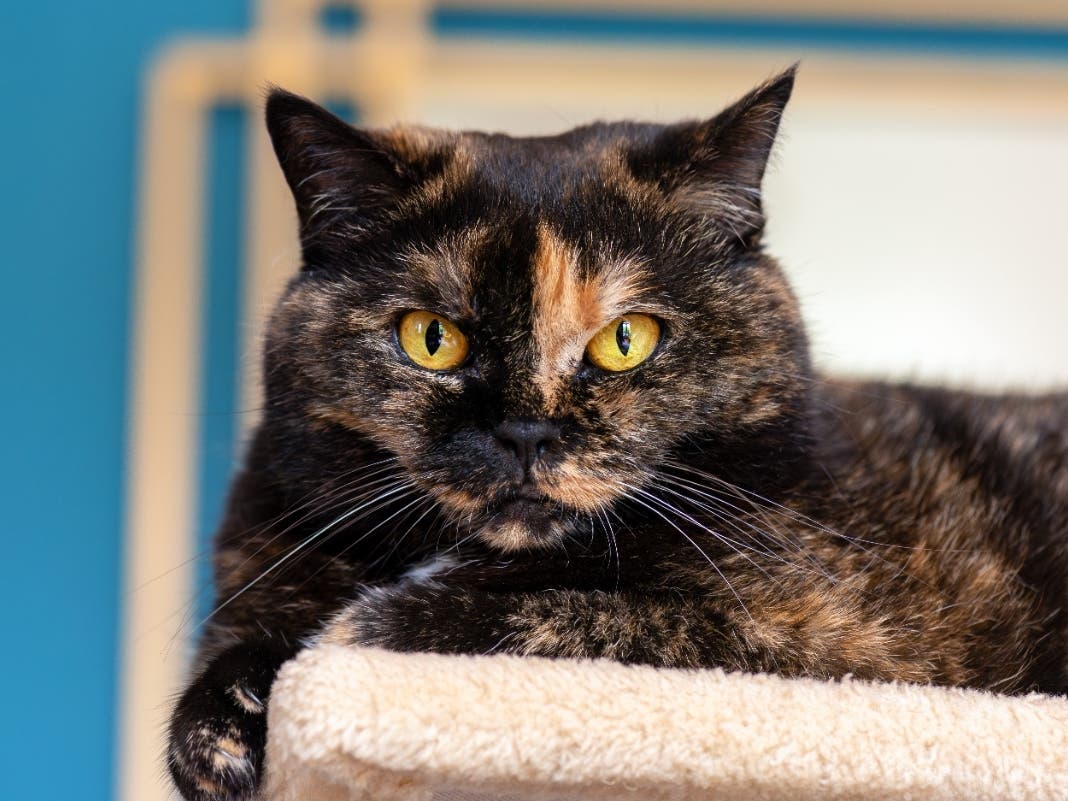
When he had the energy, Kleiman began to occupy his time with some writing he had composed over the years about a world in which cats can talk. He had written the book on and off over the years, but his wife convinced him to finish it during his treatment.
“It was the only way I felt I could survive,” Kleiman said.
The idea for Hidden Claws dates back to the 1980s, when Kleiman was asked to come up with fake data for a bid-rigging investigation while he was a member of the Congressional Joint Committee on Printing. That’s when he first started writing about cats.
Over the years, testing out different software on different computers, he created enough of this digital cat world that he thought he could assemble a novel, so he started to write one.
The book and his wife’s encouragement kept him going, he said.
“Instead of worrying about dwelling on your cancer and how sick you feel, you have to sort of channel it in a different direction,” his wife, Helen, said she told him. “It was really positive for him, once he got closer and closer to getting it finished, it occupied more of his time.”
The Hidden Claws story goes something like this: In 1986, cats begin to start talking, and by 1989, the phenomenon became widespread. Talking cats were later seen as a threat to humanity, and by 2086, the feline movement had formed and been torn apart many times. The book follows Mark Carren, director of the U.S. Senate’s Select Committee on Feline Affairs, as he and his team of humans and cats look into illegal activities of federal feline programs.
“It was a good escape for me,” Kleiman said. “When I got sick, I had to finish this thing.”
He self-published the book through Amazon with the help of family and friends, and has sold around 100 copies.
Doctors told him he had two-and-a-half years to live about that long ago.
“I made it through and I hope to keep going for awhile,” he said.
Get more local news delivered straight to your inbox. Sign up for free Patch newsletters and alerts.