Arts & Entertainment
The Importance of Reading and Understanding Music
What can learning more about music do for you?
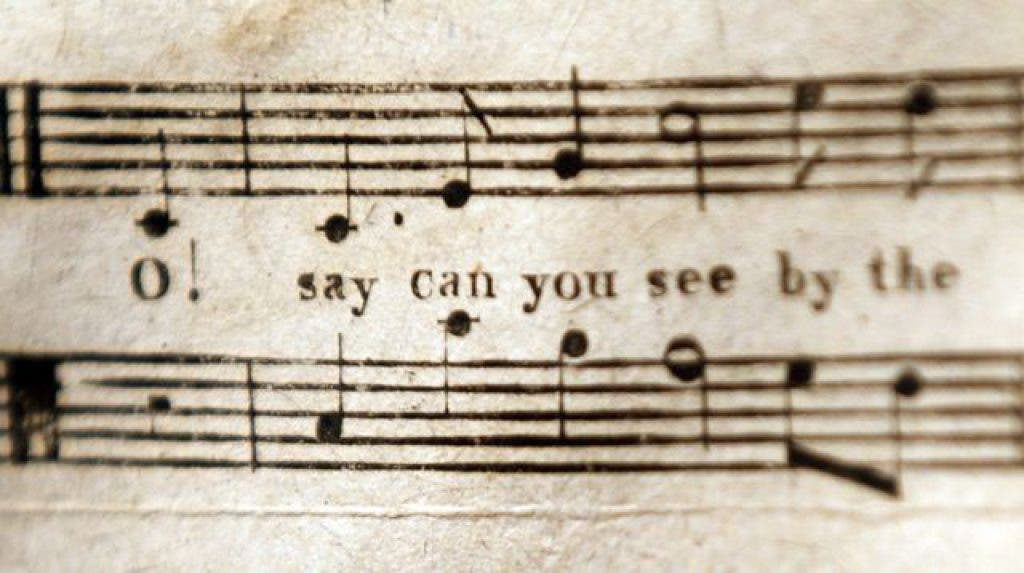
As a longtime musician, I have observed over the years that many of the people I have played music with know little-to-nothing about music or how to read it. I am not trying to imply that one who plays music should understand it completely, but I do feel like they are limiting their potential by not taking steps toward learning as much as they can about it.
Since I started to learn how to play an instrument, I have been reading music. In the 5th grade, I started to play the saxophone in the school band and had to read music to learn how to play the instrument. Once I started to play the guitar when I was about 14, I continued to read music. Since I learned how to read at a young age, it became second nature to me.
Now I notice that many people, most of them guitar or bass guitar players, know nothing about music and have no idea how to read it. I understand that there are several famous musicians that do not know how to read music (Charlie Parker, Flea, Paul McCartney, just to name a few), but we are not these people. They are a select few that were born with the ability to understand and create music without being able to fully explain what they are playing.
Find out what's happening in Owings Mills-Reisterstownfor free with the latest updates from Patch.
I believe this trait is most common among guitarists and bassists for three reasons: The guitar is one of the most poplar instruments today, it is one of the most affordable instruments and it is an instrument that can be self-taught easier than most other instruments. Do I feel that this is a bad thing? Not at all. It actually pleases me to see so many people find joy in music and playing an instrument that do not have the funds to purchase an expensive one or pay for lessons.
What bothers me is that I feel once people figure out how to play an instrument on their own they do not care to embrace the idea of studying music in an academic fashion. They show little interest in learning about music and how to read it when they reach this point in their playing.
Find out what's happening in Owings Mills-Reisterstownfor free with the latest updates from Patch.
For those with this kind of attitude who wish to become a better musician, I offer this analogy: Imagine you learn a new language. You are fluent enough to have conversations with others and formulate coherent thoughts. What you cannot do though is read or write this language. You can sound out words but do no understand the language well enough to pronounce or spell the words in the correct manner. Does this mean you truly understand the language?
If you already play music but do not understand fundamental attributes such as melody, harmony and rhythm, I highly suggest that you take the time to learn about these things. Knowing these things and knowing how to read music will allow you to be able to communicate with other musicians on a musical level that everyone can understand.
Knowing these fundamentals of music takes a lot of the guesswork out of your playing and writing. For example, if you are playing music with friends and having trouble finding something that fits with what everyone is playing, you can use the rules of melody and harmony to figure out what will sound the best. Knowing what key you are playing in and what scales will work in this key will take away the guessing.
I also find it beneficial for songwriters to understand the fundamentals of harmony and melody. If you know nothing about how chords work with one another and how certain ones sound together, your songwriting will take so much longer than someone who understands melody and harmony. Instead of guessing at which chord should come next in a progression, one can understand the functionality of each chord in a given key and use this knowledge to make the best decision to obtain the intended sound.
Learning how to read music helps with all of these things I just mentioned. Harmony comes from scales and scales are written on a musical staff, and you need to know how to read music to understand that. You can also learn how to play a song or piece of music without ever hearing it. Knowing how to read allows a musician to teach himself or herself a piece of music without the aid of anyone or anything else.
I highly recommend musicians out there who are playing and/or writing music to take some time to learn about music. Knowing about harmony and melody and knowing how to read it in a standard notation will only make you a better musician. The better you understand music, the more you can create something truly original instead of just mimicking what you have heard several times. You can get by without it, but why would you limit your abilities as a musician? If you are serious about your music, you need to enhance your knowledge.