Community Corner
Recognizing Cognitive Dysfunction in Pets
Much like their human counterparts, pets can show signs of cognitive dysfunction as they age.
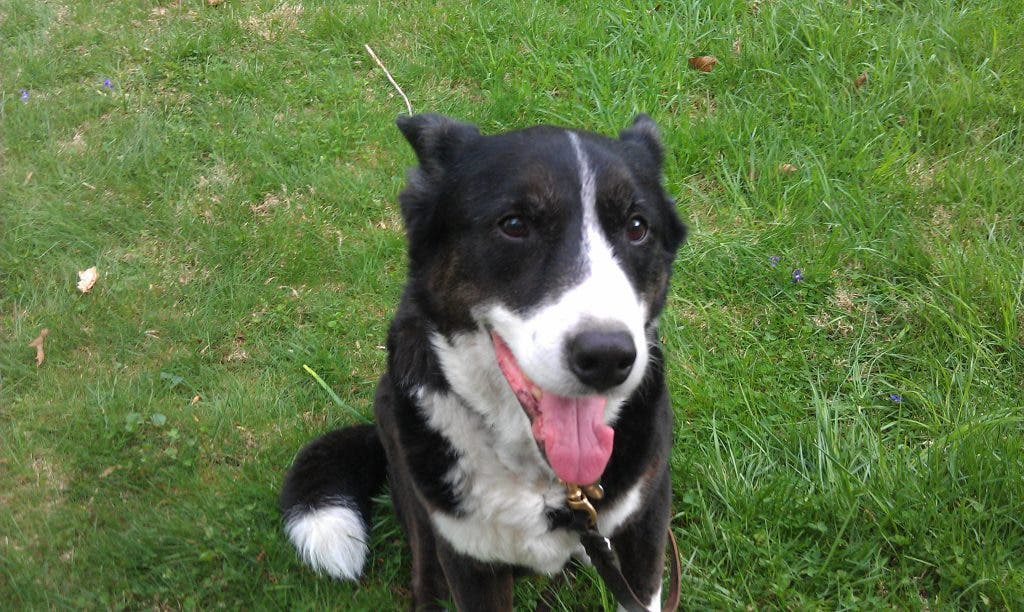
Frank, a border collie mix, has always been a little bit of a nervous dog. Adopted at just under a year old, with limited history or background information, his doting owners have provided the best of everything for him. While certain things, like the ice machine on the refrigerator or the crackling of a fire in the fireplace, have always upset him, Frank has spent the majority of his life as a well-adjusted, happy dog.
That is part of the reason his owners became perplexed when he began refusing to eat and stopped sleeping through the night. Never a picky eater, Frank went from not missing a meal to being totally uninterested in food. He also took to wandering and whining through much of the night where once he was happy to sleep right in the middle of the bed.
Of course, his owners' first stop was their veterinarian. A battery of tests showed no reason for any of these behavioral changes. In fact, Frank's organs were in excellent shape and aside from some arthritic changes; his is the body of healthy young dog.
Find out what's happening in Perry Hallfor free with the latest updates from Patch.
So what was causing Frank's upset and what could his people do to get him to eat normally, not to mention get a decent night's sleep themselves? Already on a super premium pet food, Frank began eating a home cooked diet. This has seemed to keep his attention and while he does not eat with the same gusto he once had, his meals are nutritious and he is no longer losing weight.
Frank's veterinarian had his owners try a couple of drugs to see if they might help him as he seemed so unsettled. Unfortunately, pharmaceuticals did not help, so he is going without any behavior modifying drugs and his dedicated owners are simply working through these new issues as best they can.
Find out what's happening in Perry Hallfor free with the latest updates from Patch.
Cognitive dysfunction can be difficult to recognize and it has only recently begun to be addressed. It is one of the reasons many veterinarians, like Dr. Moffa from Honeygo Animal Hospital recommend that older pets have two checkups each year. At 14, Frank has visited his vet every six months for several years now.
We expect our older pets to sleep more and get up a little more slowly or stiffly, but we do not expect them to act as if they do not know where they are when in their own home. We do not expect them to snap or growl at us when they have never shown any such behavior before. We do not expect them to go into a panic because of everyday things they have experienced many times. These are all signs that a pet could be suffering from cognitive dysfunction.
Here are some the signs to look for in your pet
Does he or she:
- Appear confused or lost inside the house or in a well-known yard?
- Fail to recognize individuals, including familiar humans and animals?
- Have difficulty finding the door to go out or stand on the wrong side (hinge side)?
- Seem forgetful, sometimes forgetting to eliminate outside and even having accidents when coming back in?
- Seem less affectionate or less welcoming of your affection?
- Wander, pace or seem unsettled for no apparent reason?
- Sleep less at night?
- Walk away while being petted?
If your pet exhibits one or more of these signs, you might do well to schedule a visit with your veterinarian. A University of California Davis study suggests about 62 percent of dogs age 11-16 suffer from pet cognitive dysfunction.
Join us next week when we discuss cognitive dysfunction and pet dementia a bit further with a local veterinarian.