Neighbor News
Sick & Tired of Feeling Sick & Tired?
Learn all about food sensitivities- what are they? what are the symptoms? how do you test for them? what should you do about them?

Fatigue. Heachaches. Joint pain. Gastrointestinal distress. Skin rashes. Food cravings. Brain fog. Mood swings. These are just a few of the many symptoms associated with food sensitivities. Food sensitivities, an immune-mediated inflammatory response, are pretty tricky to diagnose. Unlike food allergies, where one molecule of the allergic food produces a significant and immediate reaction, food sensitivities are dose-dependent. This means small amounts of the food may not cause a problem, but larger amounts will. The problematic “dose” varies for each individual. Additionally complicating the diagnosis, food sensitivities have a delayed response in the body, meaning symptoms may not be experienced immediately after consumption, but anywhere from 4 to 96 hours later. Sensitivities can develop to any food or chemical ingested, including conventionally known “healthy” foods such as garlic, salmon, broccoli and sweet potatoes. Frequent consumption to the same foods overtime may make you more likely to develop sensitivity…so picky eaters beware! Lastly, conditions associated with food sensitivity range vastly from migraines to irritable bowel syndrome to fibromyalgia, so it can be challenging to link these problems back to food. Overall, food sensitivities are less understood by the general medical community, but it does not make them any less real or problematic.
In the past, dietitians and other clinicians have helped their patients try to identify food sensitivities by using an elimination diet followed by a food reintroduction challenge. I call this the “guess and check” method because there is no sure-fire way to know that the diet is completely void of all reactive foods. For instance, one person may be sensitive to dairy, gluten, fish, peanuts, and citrus, some of the most common food triggers, while another person may be sensitive to rice, pears, lamb, and olives, some of the least common food triggers. Essentially, there is no perfect-hypoallergenic diet for the entire population because each person’s body is unique.
Currently, there are few tests on the market to help diagnose food sensitivities including ELISA IgG and ALCAT. While both of these tests can be helpful in identifying food triggers, they also have many flaws. For example, the IgG test exclusively quantifies the IgG response to specific foods, not including food chemicals, and does not measure all of the other mechanisms the body may react. Because of this limitation, the test results may show that unsafe foods are actually safe and vice versa. The ALCAT test, while it does test for food and food chemical reactions, it uses outdated technology with low validity ratings. When it comes to food sensitivities, it is best to use both an accurate and reliable testing method so that results are trustworthy and produce effective improvements in overall symptoms.
Find out what's happening in Pikesvillefor free with the latest updates from Patch.
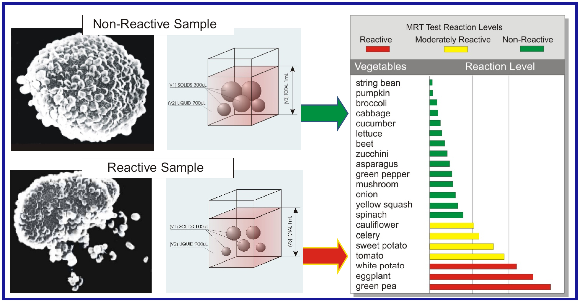
At Nutrition by Erin, I utilize a test called Mediator Release Test (MRT). It is the gold-standard test in the industry, with studies supporting its accuracy and reliability. I use the results of the MRT test to put together an individualized eating program to reduce your symptoms, heal your gut, and improve your health. The power of changing the food you eat will amaze you! If you suspect you may suffer from symptoms caused by food sensitivities, please take a moment to fill out the initial symptom survey: SymptomSurvey_Initial_2012-1, reflective of your state over the past month. Contact me today to set up an initial consultation and discuss the MRT test. Call 410-635-4210 or send me an email at erinpeisachnutrition@gmail.com. You can also check out my website to learn more: nutritionbyerin.com.