Business & Tech
Protecting Pedestrians: For Traffic, Pedestrians and Cafritz, Many Rivers to Cross
Managing the influx of cars has multiple answers, but the Riverdale Park council seeks to keep pedestrian safety at the fore.
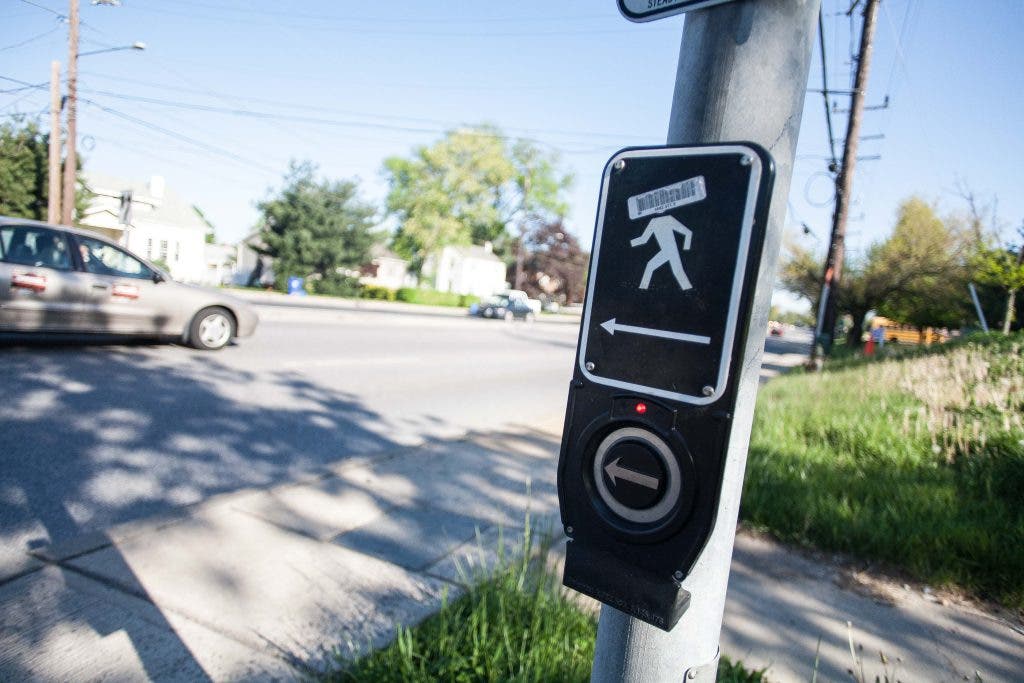
When talking about pedestrian safety, traffic and Cafritz, it’s pretty easy to get lost in the conversation.
The most recent traffic impact study is, according to Councilman Alan Thompson (Ward 2), nearly three inches thick, being about 400 pages long. There are other documents to be read as well, such as a report that studies the effects of four designs of right turn road lanes on pedestrian safety. In short, like the rest of the Cafritz development, there’s a lot to consider.
Projected traffic increase due to Cafritz is, as Councilman Jonathan Ebbeler (Ward 1), says, a “double-edged sword.”
Find out what's happening in Riverdale Park-University Parkfor free with the latest updates from Patch.
“Retail and commercial needs [traffic] to be viable yet it is the bane of residential communities,” Ebbeler said.
A natural solution would be to simply widen Route 1 to allow more cars to travel through and reduce congestion, something that has been presented to the Riverdale Park Town Council, according to Thompson. The proposal would bring five-foot bike lanes along either side and increase lane widths to 12 feet, a two-foot increase.
Find out what's happening in Riverdale Park-University Parkfor free with the latest updates from Patch.
Then there are the downsides of this solution—a wider lane means more road for pedestrians to cross, and wider lanes are generally accepted to increase car speed on average, though research is sparse. All this could contribute to a negative impact on pedestrian safety in what is supposed to be an easily and safely accessible development.
Other measures that are being proposed to reduce traffic include the construction of a bridge over the CSX train tracks, which will help divert many anticipated customers coming to Whole Foods from Route 1 to Kenilworth Avenue instead, Thompson said.
Thompson says the council has been working to improve traffic flow and pedestrian safety, and that they are “willing to accept the additional traffic” brought by the Cafritz development.
“The anticipated traffic increases (almost all on Baltimore Avenue) were a lot smaller than what was anticipated… traffic here, even after the Cafritz-generated traffic tops out, will still be a good bit lower than it is right now on parts of US 1 in College Park,” Thompson wrote in an email.
In working closely with the developer, the council members believe pedestrian safety can be maintained, and have made it a central point of debate in the development.
“If we can compromise on a streetscape along Baltimore Avenue that's not too different from what's there now… the pedestrians in that area will be safe," Thompson wrote.
Ebbeler also sought to push for better development in regards to pedestrian safety, saying “we, like our neighboring municipalities, are trying to create a pedestrian-friendly mixed-use corridor” and that working with the developers and the State Highway Administration would be key. The balance of Route 1 being both a highway and a small road meant for residents and businesses has created the friction present now.
And if the Cafritz development should pass on Riverdale Park? Thompson said he didn’t hold any hope for throwing the traffic on another town.
“If the Cafritz development doesn't happen here, then similar development will occur further out (perhaps in Beltsville or Laurel). People driving to and from Riverdale Park, Hyattsville, University Park (and further south) to the ‘substitute Cafritz’ will still be adding to our traffic, and most likely without the easy access to public transportation that this location provides,” he wrote.
Related content
- Government bodies try to combat rash of pedestrian accidents in Silver Spring
- Laurel: A range of educational and enforcement strategies to increase pedestrian safety led to a decline in pedestrian accidents and deaths