Community Corner
Then and Now: Sater’s Baptist Church
A weekly post featuring historic places in Lutherville-Timonium and how they've stood the test of time.


“Forever and to the end of the world”
In 1709, an English teenager and King George loyalist named Henry Sater sailed to America.
He purchased some land in today’s Lutherville, off Falls Road, called Chestnut Ridge. He farmed tobacco. He was a slave-owner, and a Baptist, and by all accounts a hard worker, according to the Baptist Convention of Maryland. He did not marry until he was nearly 40 years old, but his wife soon passed away. He waited 10 years to marry again, this time to Dorcas Towson, with whom he had six, late-in-life children.
Find out what's happening in Lutherville-Timoniumfor free with the latest updates from Patch.
By then, he had been deeded much more land by the fifth Lord Baltimore, having paid for it in tobacco, and Sater now owned over a thousand acres. Two years into his second marriage, he built and founded, on his property, the first Baptist church in Maryland.
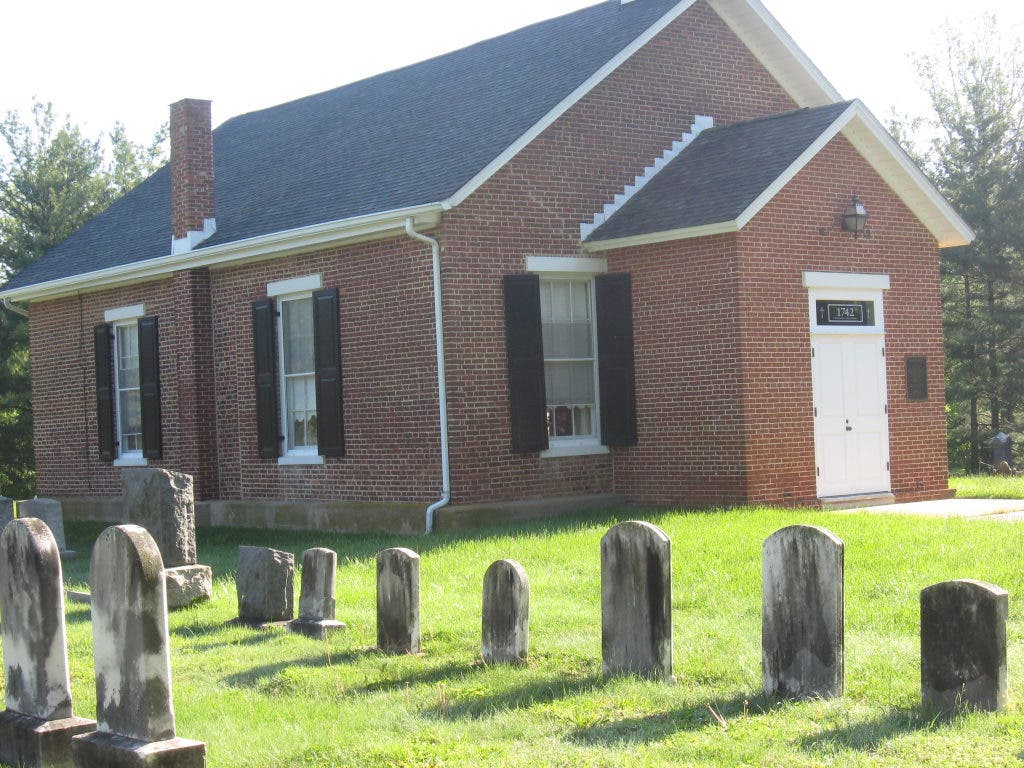
The church started as a meetinghouse for traveling Baptist ministers to visit his plantation and preach to the faithful. In 1742, Sater signed a covenant declaring the meetinghouse, and the cemetery next to it, a Baptist church – the first in Maryland.
Find out what's happening in Lutherville-Timoniumfor free with the latest updates from Patch.
He called his congregation Chestnut Ridge General Baptist, but soon the church was only called Sater’s Church. In 1742, according to the Historical Marker Database, using some strong language of the time, Sater and more than 50 other Baptist leaders deeded the chapel, and some land around it, to the Baptist congregation “forever and to the end of the world.”
The covenant also stated:
"We do also bind ourselves hereby to defend and live up the protestant religion, and abhor and oppose the whore of Rome, pope and popery, with all her anti-Christian ways. We do also engage, with our lives and fortunes, to defend the crown and dignity of our gracious sovereign, King George, to him and his issue for ever."
Fast forward a couple hundred years.
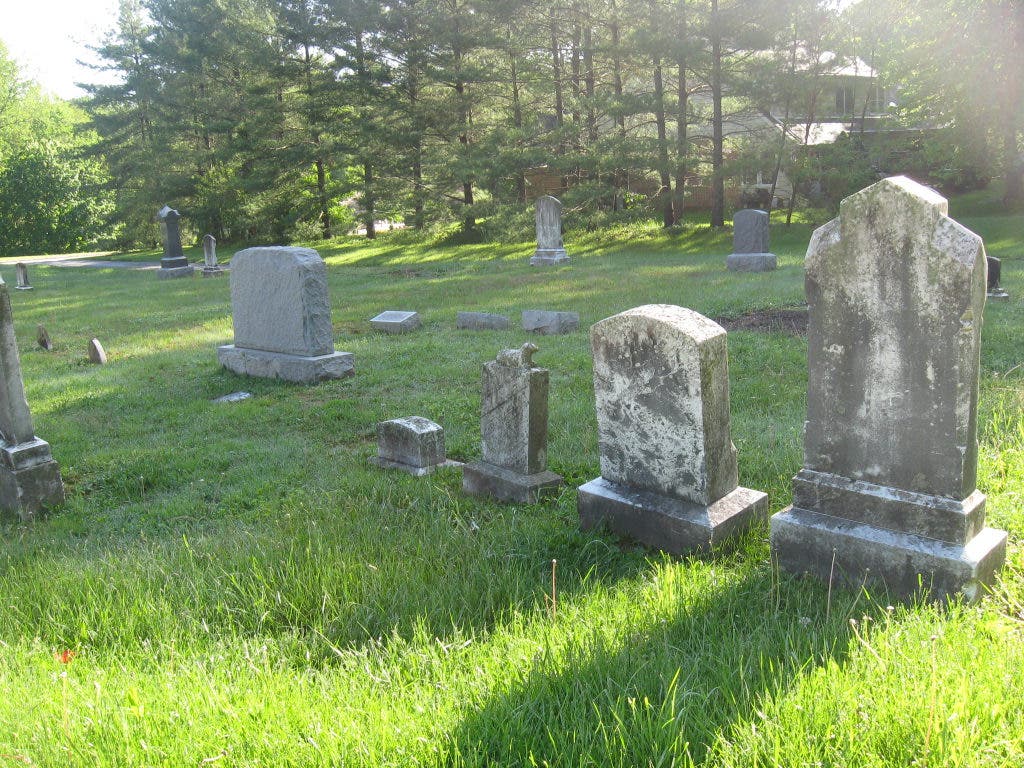
Sater’s Church is still there today, and so is the graveyard.
Gone are the pre-Revolutionary ideals and the anti-Catholic slurs of Sater’s covenant. When you call the Chestnut Ridge Baptist Church today, you hear only Pastor Jeffrey Blaylock’s warm voice inviting you, whatever your creed, to worship with him on Sunday.
Chestnut Ridge Baptist Church preserves the original name of Sater’s Church, and the descendants of the congregation, but not the building itself, though it’s right next door.
The original church building is only used occasionally for special events. Sater’s modern-day congregation merged with another Baptist congregation in Baltimore and built today’s Chestnut Ridge Baptist Church, next door to Sater’s historical property, in 1995. It’s located at 1010 Saters Lane, at Falls Road north of Seminary Avenue.
Sater’s cemetery is still used today. Families bury their loved ones there now, much as they did 200 years ago.
Samuel Cockey, who was born in 1792, rests there. He is a descendant of the founding family of Cockeysville. There are more than 200 years between him and the recently used parts of the cemetery, and yet he is only a short walk through the grave markers.
Along with the Cockeys, some other last names on the markers are a trip through local history: the cemetery also has Ridgelys, Towsons and Calverts.
The various first names on the grave markers are sweetly reminiscent of the bygone eras when early Luthervillians made their ways. Bessie, Grisdelda, Edith, Agnes, Fannie and Nannie all call Sater’s cemetery their final resting place.
There are also markers labeled, simply, “Daughter,” with heart-breakingly similar birth and death dates.
Currently, there is a boundary dispute between the trustees who manage Sater’s historical property and three adjacent neighbors. According to Roger Elliott, the Towson-based attorney for the trustees, the disagreement involves several feet of the road, on the northern boundary of Sater’s property.
Joan LeFaivre, one of the trustees, said, “We’ve never had problems with the neighbors. We've been there so long, and it's such a dear little place.”