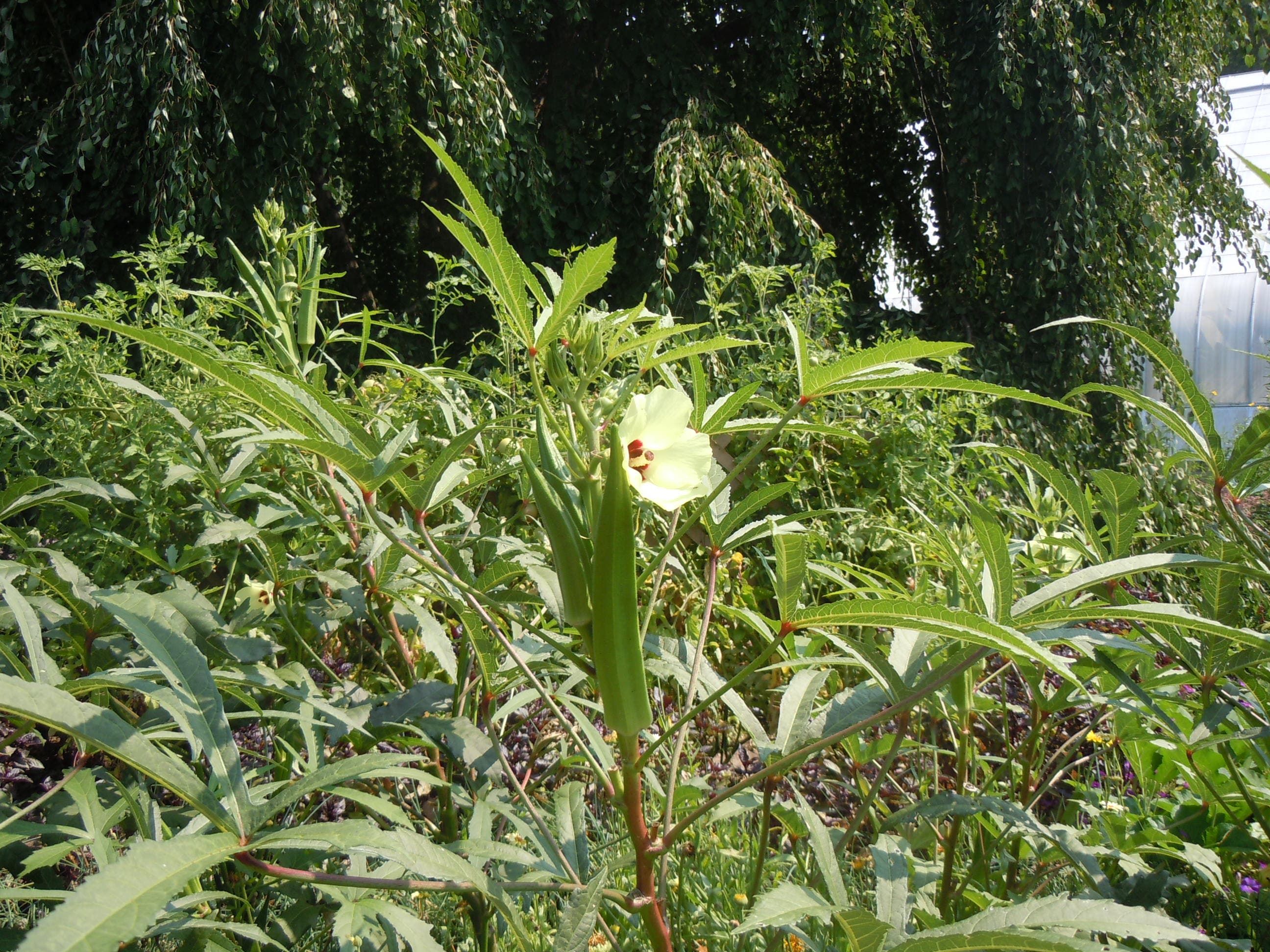




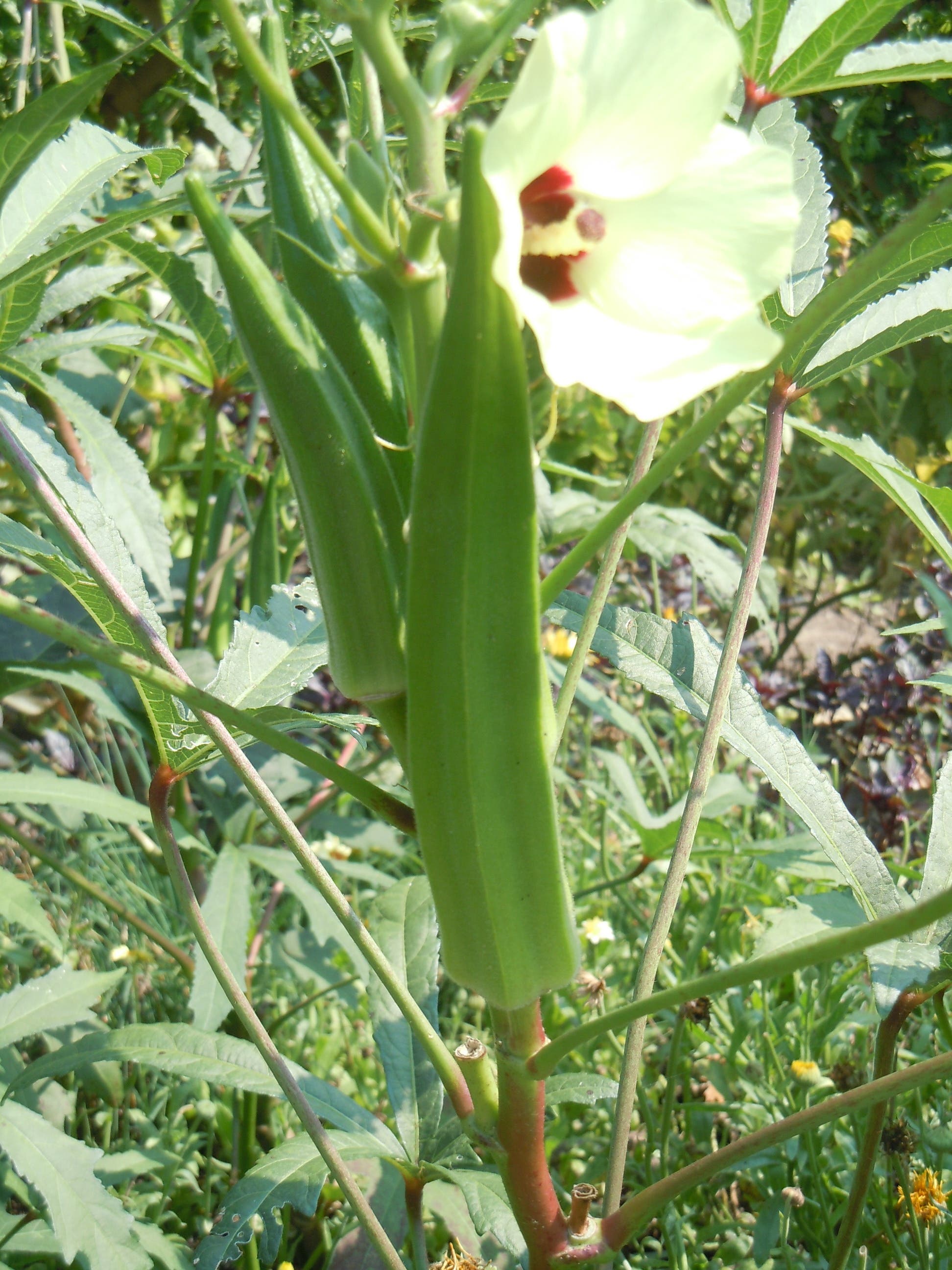


Brookside Gardens, located in the north of Wheaton Regional Park, has planted a special trial garden this season with a theme of food, in order to educate people on home growing fruits, vegetables and grains. Phil Normandy, head plants manager, offered some suggestions for home gardeners:
- Start with loose organic soil, which doesn't need to be nitrogen-rich.
- You can double crop — i.e. plant two kinds of seeds in the same space that will grown at different times — in the middle of March with hardier varieties in the pea and cabbage family, and then, after the last frost, with tomatoes, potatoes and other vegetables that love the heat.
- A garden that is too wet rots; one that is too dry withers. A vegetable garden should get about an inch of water a week. Use mulch to conserve water, or a soaker hose, which lies on the ground of the garden and drips water into the soil directly.
- To keep insects away from your garden, plant marigolds next to your vegetables. The flowers have a repelling effect on some invasive bugs.
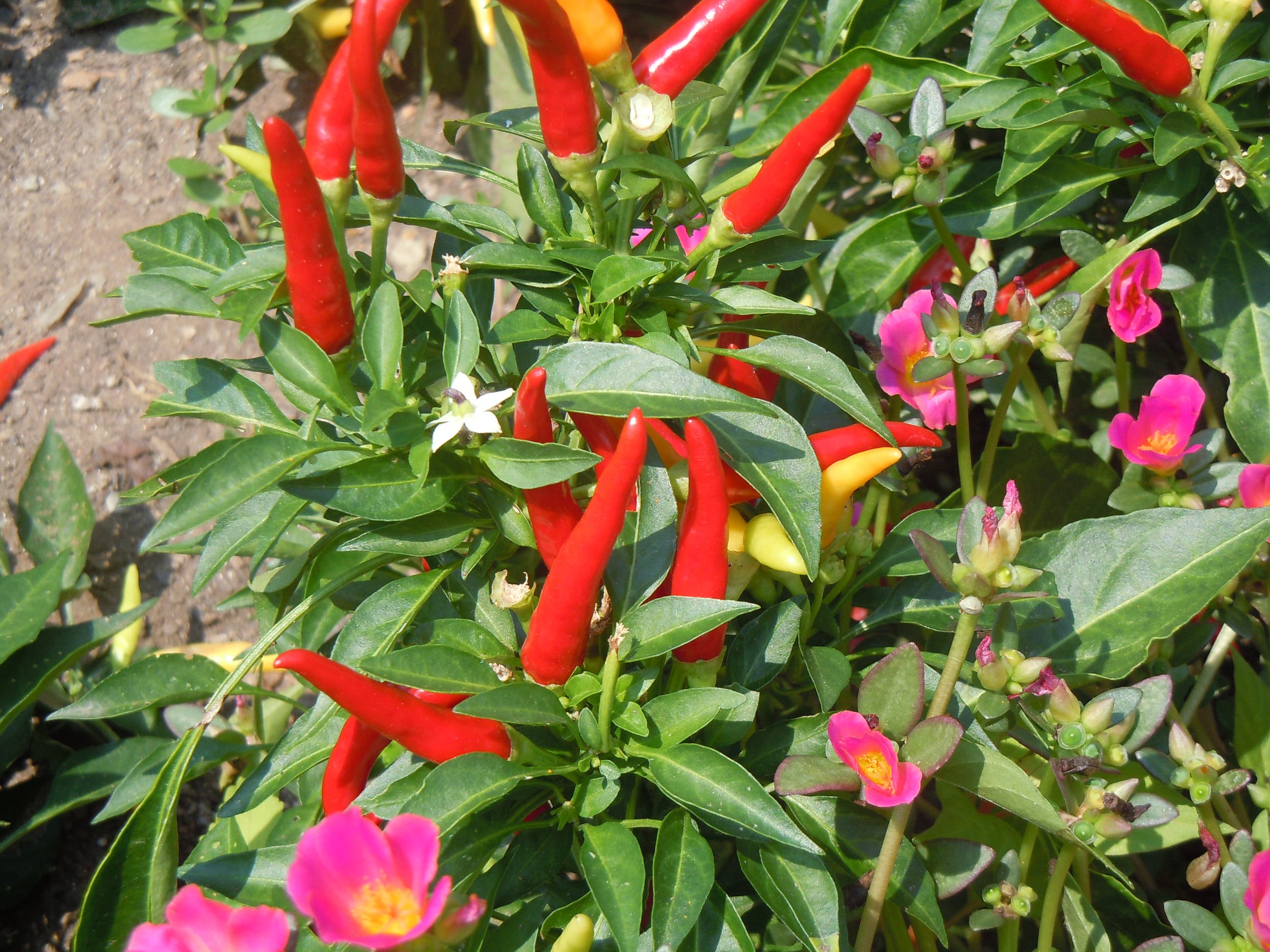
- Some easy veggie garden starters include peppers, tomatoes, squash and cucumbers. Corn can also be fun to watch grow, but you need enough space to create adequate rows.
- Seeds: It's increasingly easy to find rarer batches and specialized seeds on the Internet. The Burpees brand has a wide selection.
- If you're looking to plant heirloom varieties of tomatoes or other vegetables, know that they are more prone to disease.
- Use a deer fence to prevent larger animals from eating the harvest.
- Plant the "three sisters" — corns, beans and squash, which are mutually beneficial plants — near each other.
- For apartment dwellers, many vegetables can be grown in raised beds or containers.
Get more local news delivered straight to your inbox. Sign up for free Patch newsletters and alerts.