Health & Fitness
MA Opioid Deaths May Be Lower In 2022, But Continue 7-Year Trend
New state estimates show a slight drop in opioid-related deaths over the first 9 months of 2022.


MASSACHUSETTS — Massachusetts may end 2022 with fewer opioid-related overdose deaths than 2021 — but the death toll will likely continue a seven-year trend of deaths above 2,000.
Preliminary data released Wednesday by the state Department of Public Health showed a 1.5 percent decline in opioid-related overdose deaths over the first nine months of the year: 1,696 as of September compared to 1,721 over the first nine months of 2021.
But with close to 200 state residents dying due to overdoses per month on average, it's likely Massachusetts could end 2022 with more than 2,000 deaths. The state hasn't seen fewer than 2,000 opioid-related overdose deaths since 2015.
Find out what's happening in Across Massachusettsfor free with the latest updates from Patch.
State data show that opioid deaths worsened during the pandemic, with 2,103 dying in 2020 and 2,301 in 2021 — a record high since the state began keeping records. The opioid death rate also set a record of 33.1 per 100,000 in 2021. Middlesex County saw the most deaths in 2021 with 356 — the only county with more than 300 deaths last year.
The mental health effects of the COVID-19 pandemic may have contributed to an increase in substance use across Massachusetts. The state saw a rise in poor mental health and substance use since the pandemic began, according to an early analysis of DPH's COVID-19 Community Impact Survey.
Find out what's happening in Across Massachusettsfor free with the latest updates from Patch.
Fentanyl also continues to be a main factor in deaths, according to the state. As of June, the synthetic opioid was present in about 94 percent of opioid-related deaths where a toxicology report was available. Opioid-related deaths can involve a range of drugs, from heroin to prescription pills.
State officials said investments in harm-reduction programs have helped keep drug-related deaths lower than the national average, which was up nearly 1 percent over the 12 months ending in July, according to the Centers for Disease Control and Prevention.
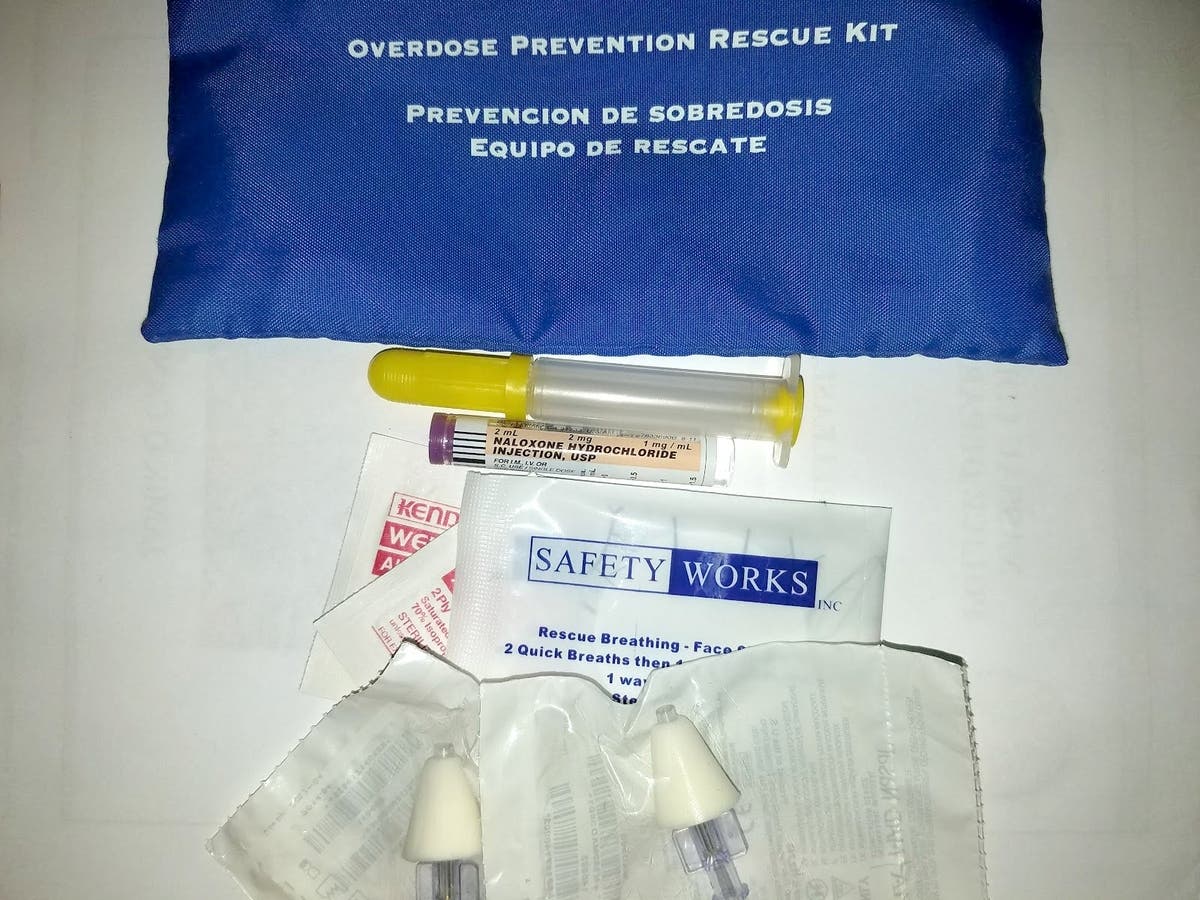
The state has distributed over 200,000 naloxone anti-overdose kits since March 2020. According to Gov. Charlie Baker, the state has set aside about $600 million in this fiscal year for a range of drug treatment and prevention services.
"With this report, we are encouraged by the decrease, however modest, in opioid-related overdose deaths in Massachusetts so far this year. We will continue to build on our data-driven and equity-based public health approach as we address the impacts of the opioid epidemic and the COVID-19 pandemic, especially among vulnerable populations," Public Health Commissioner Margret Cooke said in a news release.
Get more local news delivered straight to your inbox. Sign up for free Patch newsletters and alerts.