Weather
MA Winters Are Getting Warmer, Analysis of 45 Years Of Data Shows
This year's early spring and low snow totals are part of an accelerating pattern that began nearly a half-century ago.


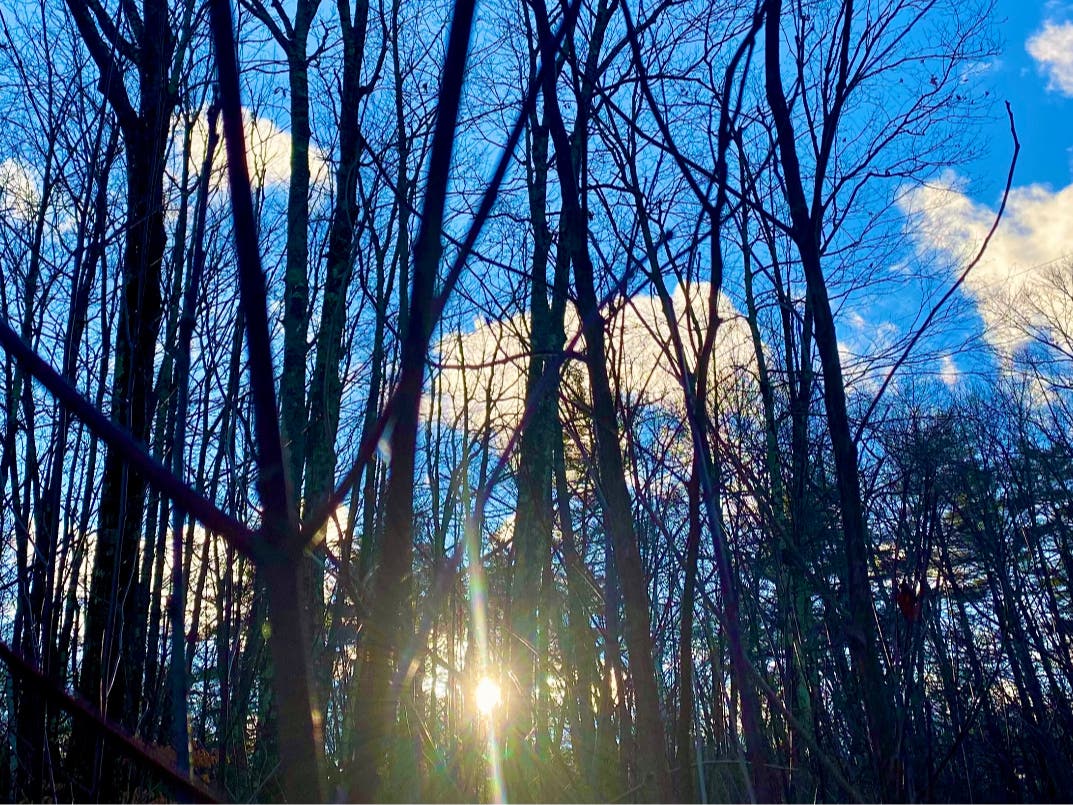
MASSACHUSETTS — Winter temperatures in Massachusetts have warmed at some of the highest rates in the country since 1980, according to a new analysis looking at how climate change has contributed to warmer winters in most of the country.
The analysis of winter temperature data from 1980-2024 by Harry Stevens, a columnist for The Washington Post’s Climate Lab section, showed that 86 percent of the continental U.S. has trended toward warmer winters over the past nearly 45 years. About 14 percent of the country is getting colder.
In Boston, winter has warmed 1.08 degrees per decade since 1980, the analysis showed. Also in Massachusetts during the same period:
Find out what's happening in Across Massachusettsfor free with the latest updates from Patch.
Beverly 0.75 degrees
Framingham 1.04 degrees
Find out what's happening in Across Massachusettsfor free with the latest updates from Patch.
Worcester 0.97 degrees
Plymouth 1.16 degrees
Falmouth 0.79 degrees
Lowell 1.0 degrees
Stevens' analysis revealed New England winters are warming the fastest, possibly because of warming Atlantic Ocean water.
"And warming winters feed on themselves," he wrote. "With less ice and snow reflecting sunlight back to space, the land absorbs more heat, driving temperatures higher."
Randomness may be the simple reason some areas of the country appear to be cooling, Ken Kunkel, a senior scientist with the North Carolina Institute for Climate Studies, told Stevens.
"Spatial variability is a natural part of the climate system," Kunkel told the columnist. "I would actually be more surprised if you had found that the trends were the same, or nearly the same, everywhere."
"Still, over a 45-year period in which nearly the entire planet has warmed, why do we find any cooling trends at all?" Stevens wrote. "And why in the western United States but not in the east?"
Though it is "still up for debate," one theory is that the Arctic has warmed, polar vortex atmospheric winds have grown more unstable during winter, "sometimes spilling south into the United States," Stevens wrote.
"Whatever the cause, something is stopping western winters from warming like the rest of the country," he wrote.
Read the full report on The Washington Post.
Get more local news delivered straight to your inbox. Sign up for free Patch newsletters and alerts.