Community Corner
Why These 2 Plants Might Be Banned In Massachusetts
Callery pear is well known for having nasty-smelling flowers with a scent likened to "rotting fish or perfume gone wrong," officials said.


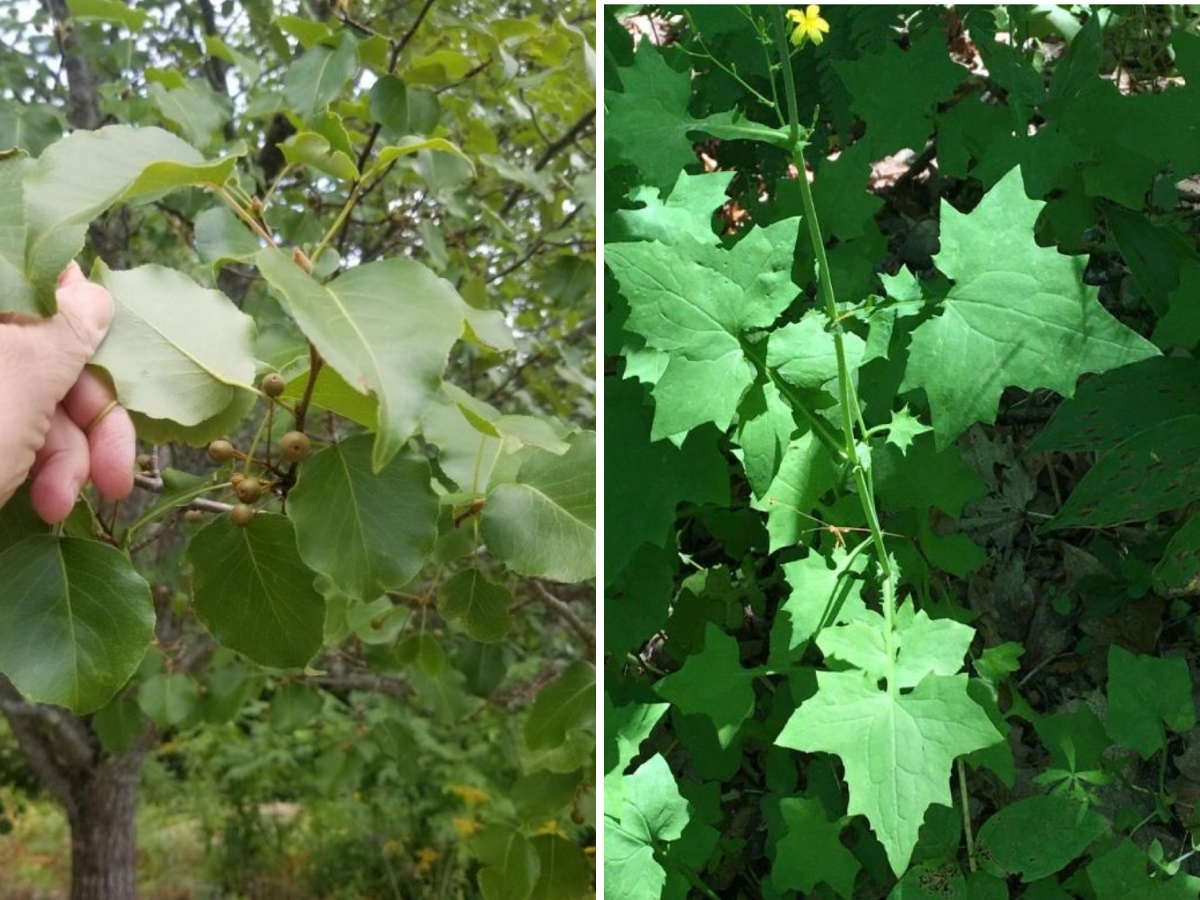
MASSACHUSETTS — Two plants have been marked to be added to Massachusetts' Prohibited Plant list due to their potential to disrupt the ecosystem, the Massachusetts Department of Agricultural Resources told Patch in an email Thursday.
Officials determined that the two species, Callery pear and wall lettuce, are "likely invasive," one of several designations of varying degrees given to non-native species that are naturalized in the state.
Callery pear is a small tree native to eastern Asia that was brought to the United States in the early 1900s, officials said. It is well known for having nasty-smelling flowers with a scent likened to "rotting fish or perfume gone wrong," and has the potential to completely shade the ground beneath it, preventing the growth of other species, according to officials.
Find out what's happening in Across Massachusettsfor free with the latest updates from Patch.
Wall lettuce is native to Europe and was first recorded in Massachusetts in 1984, when many of its yellow flowers were discovered at the edge of the woods and in a parking lot in Lincoln, officials said. It can disperse very easily and without management, will likely outcompete native plants and disrupt the ecosystem, according to officials.
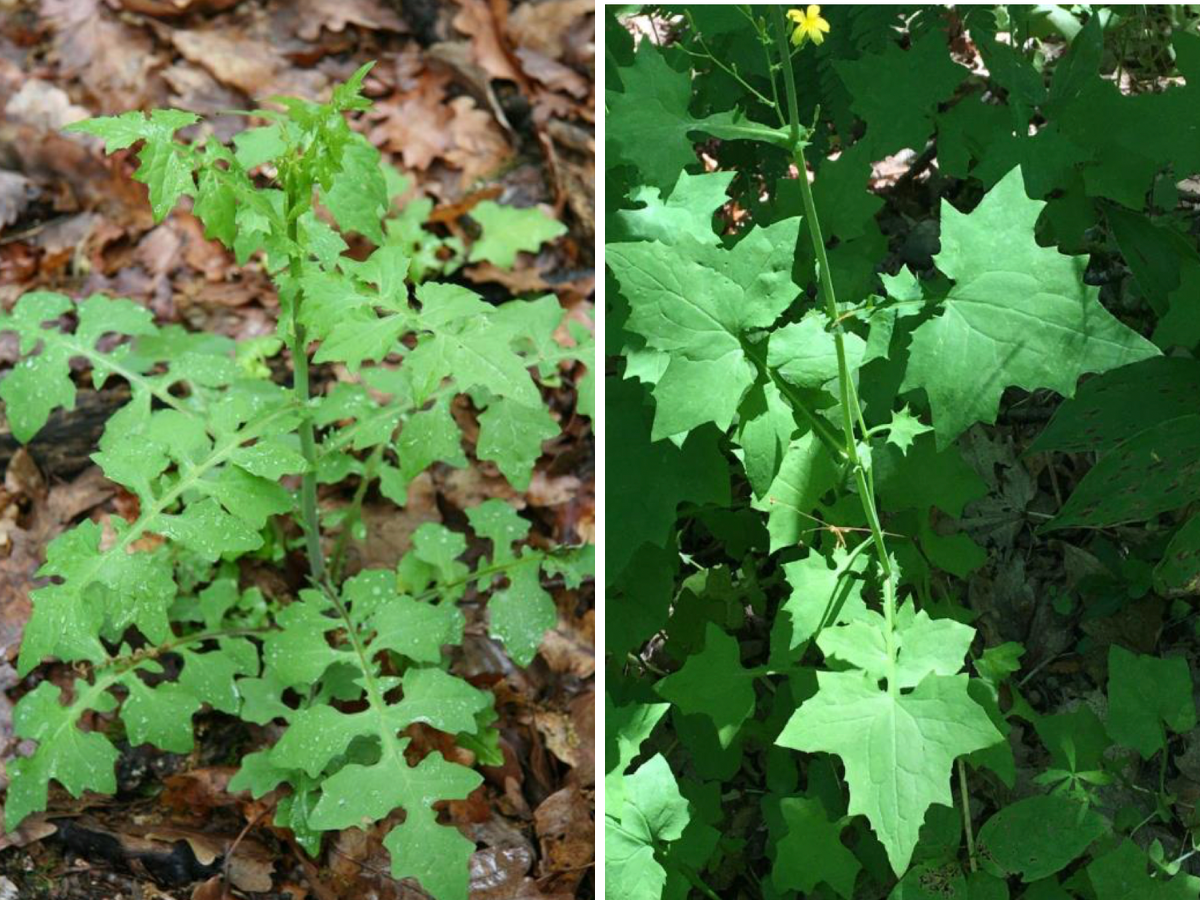
The Massachusetts Invasive Plant Advisory Group "uses a detailed risk assessment process to determine the invasiveness of non-native plant species," officials explained to Patch. The assessment takes into account the biology of the species, evidence of spread in Massachusetts, its history of invasiveness elsewhere, and recommendations from other experts including the Northeast Regional Climate Change Network, according to officials.
Find out what's happening in Across Massachusettsfor free with the latest updates from Patch.
The addition of a species to the state's Prohibited Plants list does not affect plants already growing, officials said. It only bans the importation, sale, and breeding of the species.
Members of the public were welcome to offer comments on the proposed ban during an hour-long hearing that the Massachusetts Department of Agricultural Resources held Tuesday morning, though no one did so. Comments on the proposal can still be submitted to MDAR until 5 p.m. Friday.
The state's Prohibited Plants list—which was first introduced in 2005—was last updated in November and December 2022, when Japanese Black Pine, Scotch broom, and Weeping Lovegrass were added. Currently, there are more than 140 plants on the list.
Get more local news delivered straight to your inbox. Sign up for free Patch newsletters and alerts.