Neighbor News
Three Important Tips to Prevent Poisoning
By Dr. Jack Cornwell, medical director at CareWell Urgent Care
The third week in March is National Poison Prevention Week. According to figures from the National Capital Poison Center, there were nearly 2.2 million poison exposures in 2014. That means US poison control centers received reports of poison exposures every 15 seconds.
How can you keep your family safe? Here are three tips to keep in mind:
Monitor Your Medicines
Find out what's happening in Back Bayfor free with the latest updates from Patch.
A large number of poisoning cases occur because a person ingested the wrong medication or took an incorrect dose. To protect yourself, The U.S. Centers for Disease Control and Prevention advises never sharing pills with anyone unless a doctor has approved the exchange. Avoid taking more than the prescribed dose of any medication, or you run the risk of an overdose. That's especially true for narcotics. If you have children taking medications, be sure to keep bottles out of reach of little ones and always double check doses, as accidental overdoses are unfortunately frequent among children.
Properly Store Cleaning Products
Find out what's happening in Back Bayfor free with the latest updates from Patch.
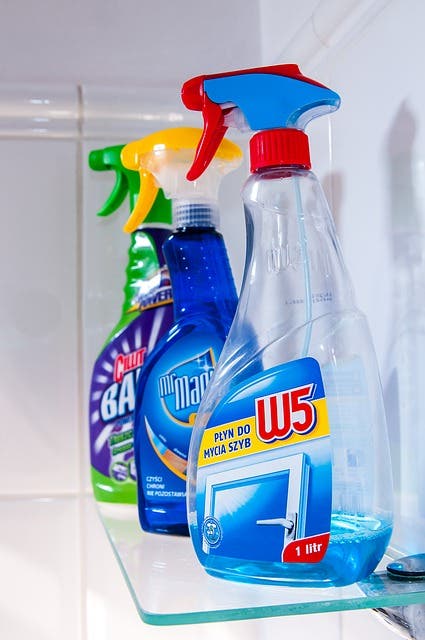
Believe or or not, household cleaners are another common cause of poisoning cases – many of those cases involve children. Do not leave cleaning products unattended while a child is around. That means storing all cleaners, including detergent and dishwasher liquid, away from the reach of children. Whenever you store cleaners in a cabinet, add extra protection by using child safety locks. Lastly, never put cleaners in a different bottle, as this can create harmful reactions depending on what was previously in the container, namely bleach or ammonia.
Warning Signs
Many of us have other sources of potential poison exposures around our homes and we may not even be aware of it. For instance, you may have rat or mice traps around your house, and if that's the case, it's a good idea to buy the tamper-proof models to block curious children. If you spray pesticides on your lawn, fence the area off to keep out both small children and any pets.
Worried that you won’t be able to tell if a family member has been exposed to a poison? According to The Mayo Clinic, most poison exposures share the same symptoms and early warning signs. Someone who has been poisoned will almost always develop burns or redness on his or her hands and mouth, which indicates where the poison made contact. In addition to the possibility of vomiting, the person's breath may also smell of the chemical he or she ingested. Finally, drowsiness and altered mental states are also quite common. It is important to look for the physical signs of exposure, including odors or stains on nearby objects, empty pill bottles or opened packages and containers of cleaning solution.
If you suspect your child or a family member has been poisoned, you can take him or her to your local CareWell Urgent Care Center. With highly trained medical professionals at locations in Massachusetts and Rhode Island, CareWell can help treat almost any injury. Remember that any time you are in a severe condition or life-threatening situation, go to the emergency room or call 911.