Schools
Coronavirus Prevention: How Barnstable Schools Are Responding
While the risk to the public remains low, a top CDC official said it's only a matter of time before the virus spreads across the U.S.


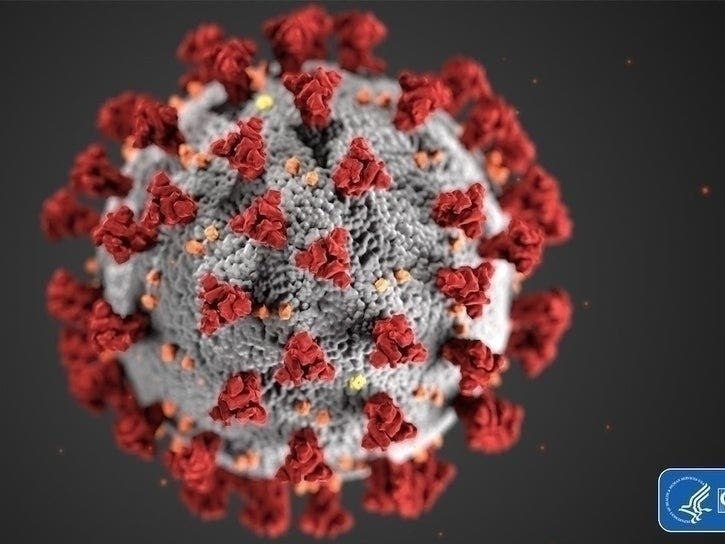
BARNSTABLE, MA — Barnstable Public Schools issued a statement Monday in light of recent coronavirus developments. Dr. Nancy Messonnier, director of the CDC's National Center for Immunization and Respiratory Disease, told reporters in a conference call this week the question is no longer if the coronavirus, now officially called COVID-19, will spread across the United States but when that will happen. While it is a public health concern, the organization emphasized that the immediate risk to the general public remains low.
Superintendent Meg Mayo-Brown told Patch the school district is working closely with the Massachusetts Department of Public Health, Cape Cod Health Care, the Board of Health and the school physician Dr. Kathryn Rudman to monitor the situation.
"The risk for severe illness due to COVID-19 in Massachusetts and the United States remains relatively low at this time," Mayo-Brown said in a letter sent out to parents. "Nevertheless, we continue to keep a close eye on what is occurring locally, nationally, and internationally to determine our best course of action."
Find out what's happening in Barnstable-Hyannisfor free with the latest updates from Patch.
The school district also joined a newly formed task force led by Cape Cod Health Care experts and participates in daily updates. She said the risk on Cape Cod is low, but she feels fortunate because of the resources Barnstable has put into student health.
“I think Barnstable is very fortunate," Mayo-Brown told Patch."We have full-time staffed nurses in every school ... We're educating folks on valuable precautions we can take."
Find out what's happening in Barnstable-Hyannisfor free with the latest updates from Patch.
Mayo-Brown said school nurses and staff already implement several measures to promote the health and safety of the students. These include:
- Promoting vaccines (including an annual Flu Shot).
- Implementing school-wide infection control measures.
- Monitoring illness in the school setting (including communicable diseases).
- Reporting communicable diseases to the MA Department of Public Health and following their recommendations.
- Providing referrals and recommendations to parents/guardians concerning health care.
- Evaluating and teaching about when it is appropriate for a student who has been ill to return to school.
- Teaching staff and students disease prevention, including good handwashing.
- Recommending cleaning protocols for BPS schools and classrooms.
- Promoting the extra use of sanitizer products as appropriate, especially during cold/flu season.
Additional measures include:
- Actively monitoring all new student enrollment by implementing the recommendations from the Centers for Disease Control and Prevention and Department of Public Health.
- Collaborating with the Community Taskforce led by Cape Cod Health Care experts, addressing the coronavirus, with regular communication for updates and guidance.
- As a cautionary measure, we are placing a moratorium on all scheduled school field trips for March and April. Barnstable High School international trips scheduled for this spring are also cancelled, including a trip to London that was scheduled in April.
Coronaviruses are a family of viruses that include the common cold as well as much more serious diseases. The strain that emerged in China in late 2019, now called COVID-19, is related to others that have caused serious outbreaks in recent years, including severe acute respiratory syndrome (SARS) and Middle East respiratory syndrome (MERS). The first confirmed case of COVID-19 in the U.S. was on Jan. 21.
The disease, which apparently originated in animals, is now transferring from person to person, although the mechanism is not yet fully understood. Its symptoms include fever, coughing and shortness of breath, and many patients develop pneumonia. There is as yet no vaccine against COVID-19 it and no antiviral treatment.
According to the CDC, the best way of preventing the disease is to avoid close contact with people who are sick, to avoid touching your eyes, nose, and mouth with unwashed hands, to wash your hands often with soap and water for at least 20 seconds, and to use a hand sanitizer that contains at least 60 percent alcohol if soap and water are not available.
To avoid spreading any respiratory illness, the CDC recommends staying at home when you are sick, covering your cough or sneeze with a tissue and throwing the tissue in the trash, cleaning and disinfecting frequently touched objects and surfaces.
Get more local news delivered straight to your inbox. Sign up for free Patch newsletters and alerts.