Health & Fitness
West Nile Virus Found In Bedford Mosquitoes
Here's how to protect yourself from infection.


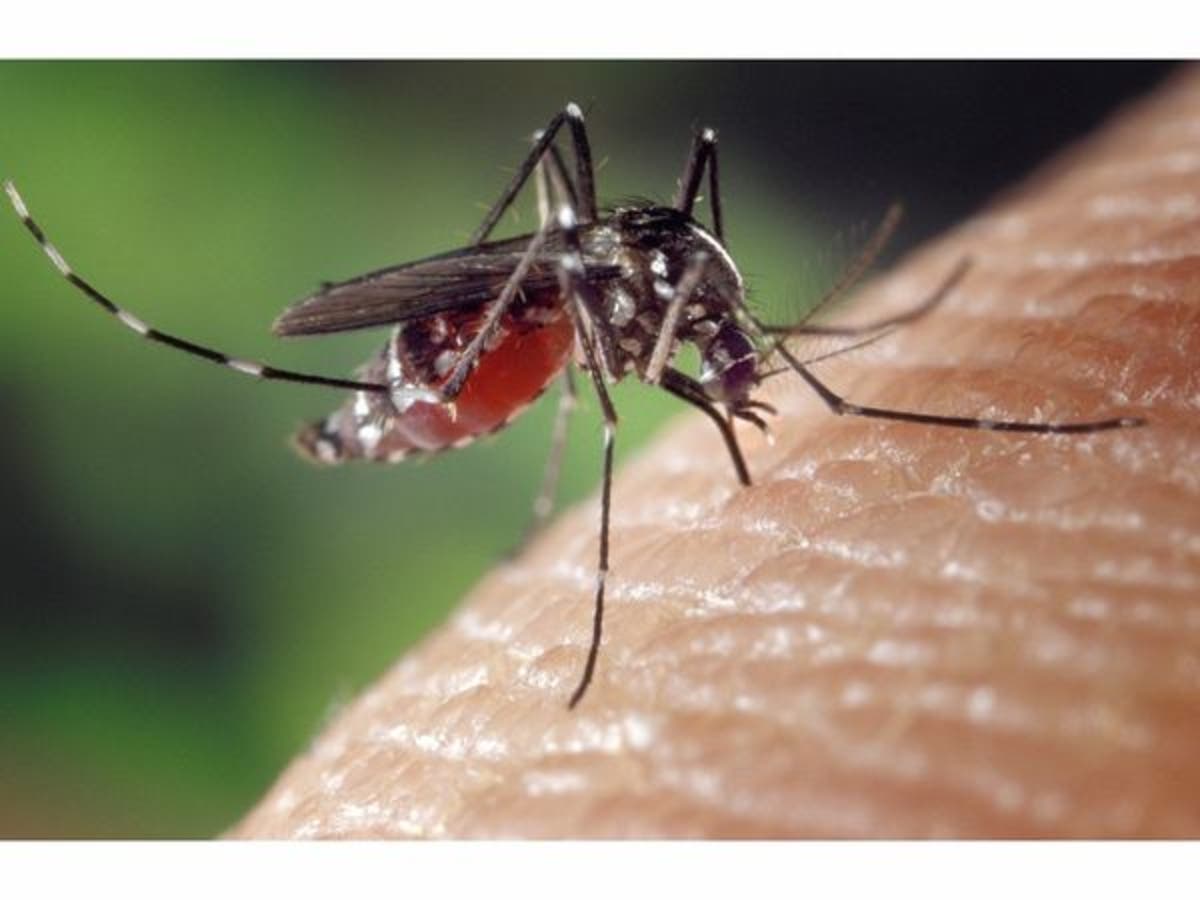
BEDFORD, MA – West Nile virus has been detected in mosquitoes collected from Bedford, the Massachusetts Department of Public Health announced Thursday. It is the first sample of mosquitoes from Bedford to test positive this year.
To date, no Bedford residents have reported contracting the virus.
Last year, 6,414 mosquito samples were tested for West Nile virus and 189 tested positive. While the virus can infect people of all ages, those over the age of 50 are at higher risk for severe infection.
Find out what's happening in Bedfordfor free with the latest updates from Patch.
The virus is transmitted to humans by the bite of an infected mosquito. Mosquitoes that carry the virus are common throughout the state and are found in urban as well as more rural areas.
While most mosquito species develop in wetlands, Culex mosquitoes – the most common carrier of WNV – prefer to lay their eggs in catch basins, clogged rain gutters, unused tires, buckets and other water holding containers.
Find out what's happening in Bedfordfor free with the latest updates from Patch.
Residents are advised to mosquito proof their property by draining or getting rid of items that hold water, checking rain gutters and drains, emptying any unused flower pots and wading pools and frequently changing water in bird baths. Tight-fitting screens should also be installed on all windows and doors.
Mitigate your risk for bites by following these steps, according to the Town of Bedford:
Be Aware of Peak Mosquito Hours - The hours from dusk to dawn are peak biting times for many mosquitoes. Consider re-scheduling outdoor activities that occur during evening or early morning. Otherwise, take extra care to use repellent and protective clothing.
Clothing can help reduce mosquito bites. Although it may be difficult to do when it’s hot, wearing long-sleeves, long pants and socks when outdoors will help keep mosquitoes away from your skin.
Apply Insect Repellent when you go outdoors. Use a repellent with DEET (N, N-diethyl-m-toluamide), permethrin, picaridin (KBR 3023), IR3535 or oil of lemon eucalyptus [p-methane 3, 8-diol (PMD)] according to the instructions on the product label. DEET products should not be used on infants under two months of age and should be used in concentrations of 30% or less on older children. Oil of lemon eucalyptus should not be used on children under three years of age. Permethrin products are intended for use on items such as clothing, shoes, bed nets and camping gear and should not be applied to skin.
The Bedford Board of Health will continue to work with the DPH and the Eastern Middlesex Mosquito Control Project to monitor the mosquito populations for WNV.
Photo courtesy of Pixabay
Get more local news delivered straight to your inbox. Sign up for free Patch newsletters and alerts.