Arts & Entertainment
Boston Baroque presents Telemann’s St. Luke Passion of 1744
the performance marks the first time the ensemble has performed the work since 1980
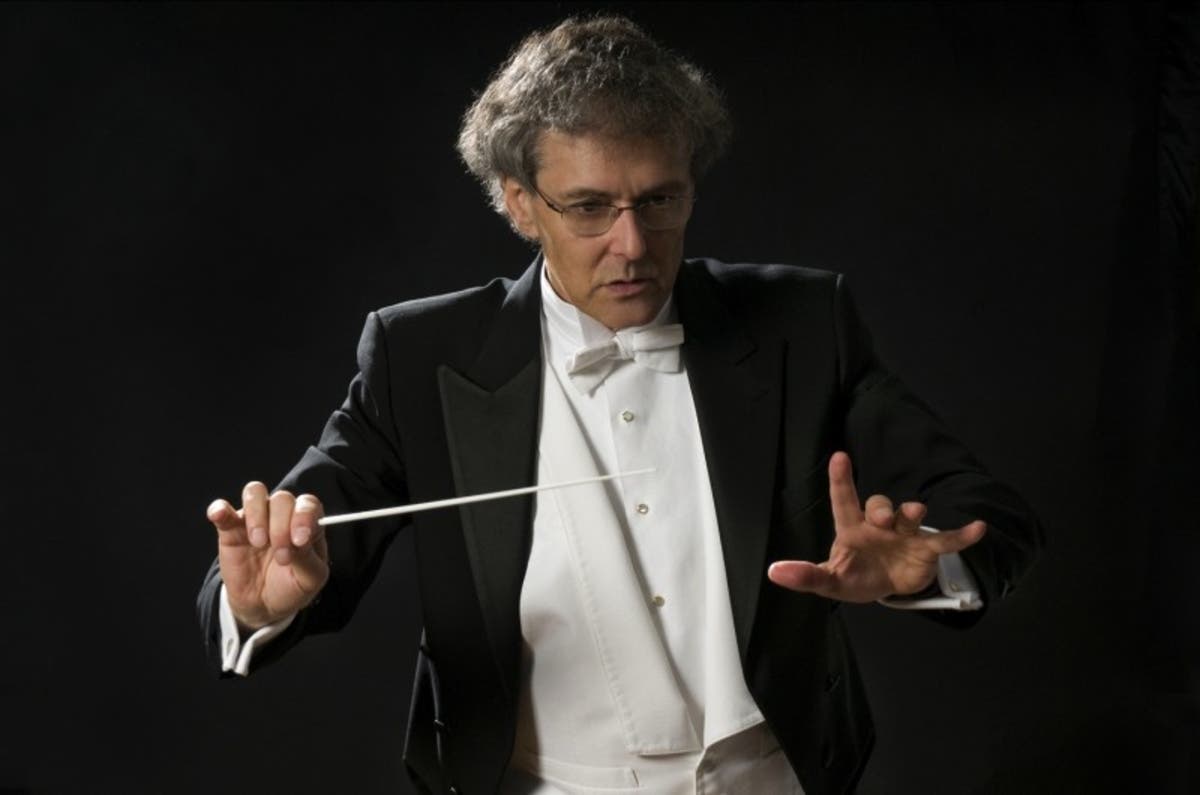
The Grammy-nominated Boston Baroque orchestra and chorus presents Georg Philipp Telemann’s St. Luke Passion of 1744 in NEC’s Jordan Hall (30 Gainsborough St, Boston, MA 02115) on Friday, March 2 at 8:00pm. The performance will be conducted by Music Director Martin Pearlman with vocal soloists tenor Thomas Cooley as the Evangelist, baritone Andrew Garland as Jesus, soprano Teresa Wakim, and tenor Stefan Reed.
Tickets are $25-$90 and may be purchased at bostonbaroque.org or by phone at 617-987-8600.
Boston Baroque was the first Baroque orchestra founded in North America, and this performance marks the first time the ensemble has performed the St. Luke Passion of 1744 since 1980. The performance caused The Boston Globe to proclaim it "…may have been the most sheerly entertaining event of the year." The New Yorker said of the same performance, “…flexibility, airiness and grace…the only really stylish and idiomatic performance of a Baroque choral work which I have heard this season."
Find out what's happening in Bostonfor free with the latest updates from Patch.
One of the most prolific composers of his day, Georg Philipp Telemann tends to be somewhat underrated in modern times. The composer of approximately 3,000 works, Telemann built his career in Germany, primarily in the cosmopolitan trading city of Hamburg. It was here that Telemann wrote the majority of his catalogue, including the majority of his Passions. Telemann also composed a great number of oratorios, operas, cantatas, orchestral suites, chamber music, concertos, and sonatas. Popular with both sacred and secular audiences alike, Telemann was a contemporary of Bach and Handel; his music served as an important bridge between the Baroque and Classical musical periods.
As part of his church responsibilities in Hamburg, Telemann was tasked with composing a Passion each year. After several decades, he had completed a number of cycles; the St. Luke Passion of 1744 fell in the middle of his fruitful career. Comparisons to Bach’s Passion will inevitably take place, as the two composers lived and worked in the same period. However, Telemann is more "modern" in this Passion’s musical style, due to the Enlightenment outlook and the fact that it was composed two decades after Bach stopped composing Passions. Telemann’s 1744 Passion is sunny, with an emphasis on the human side of the drama.
Find out what's happening in Bostonfor free with the latest updates from Patch.
The unknown poet who provided Telemann with his libretto for this St. Luke Passion drew on the biblical text of St. Luke (22:39 - 23:48), but contributed his own texts for all the arias, as well as for the chorus Ach, klage. In his letters, Telemann asks poets not to make recitatives too long and to intersperse them with arias, so that the listener's attention might not flag.
In this work, Jesus sings a dramatic rage aria, something almost unimaginable in a Bach passion, and the lightness and worldliness of the first two soprano arias may be shocking to anyone who expects the tone of a Bach passion. Bach passions are by comparison darker and more contemplative, interrupting the narrative more frequently with chorales and choruses. Telemann's chorales are harmonically simpler than Bach's, perhaps a reflection of the fact that the congregation sang along in the chorales of Telemann's works. Telemann himself remarked that he wanted the chorales to be simple enough for the congregation, but added that he did not want them limited to mere "kettledrum harmonies."
It was an occasional practice in the Baroque period to add a movement at the beginning of a long work to serve as an introduction. Since Telemann's passions do not have introductory choruses or orchestral movements, Boston Baroque will perform the first movement of Telemann's Concerto in G for oboe d'amore as an opening sinfonia.