Politics & Government
Boston Mayor Proposes Higher Fees For Uber, Lyft
The ride share companies already have to pay a small fee per ride, but Mayor Marty Walsh proposes upping that to discourage traffic.


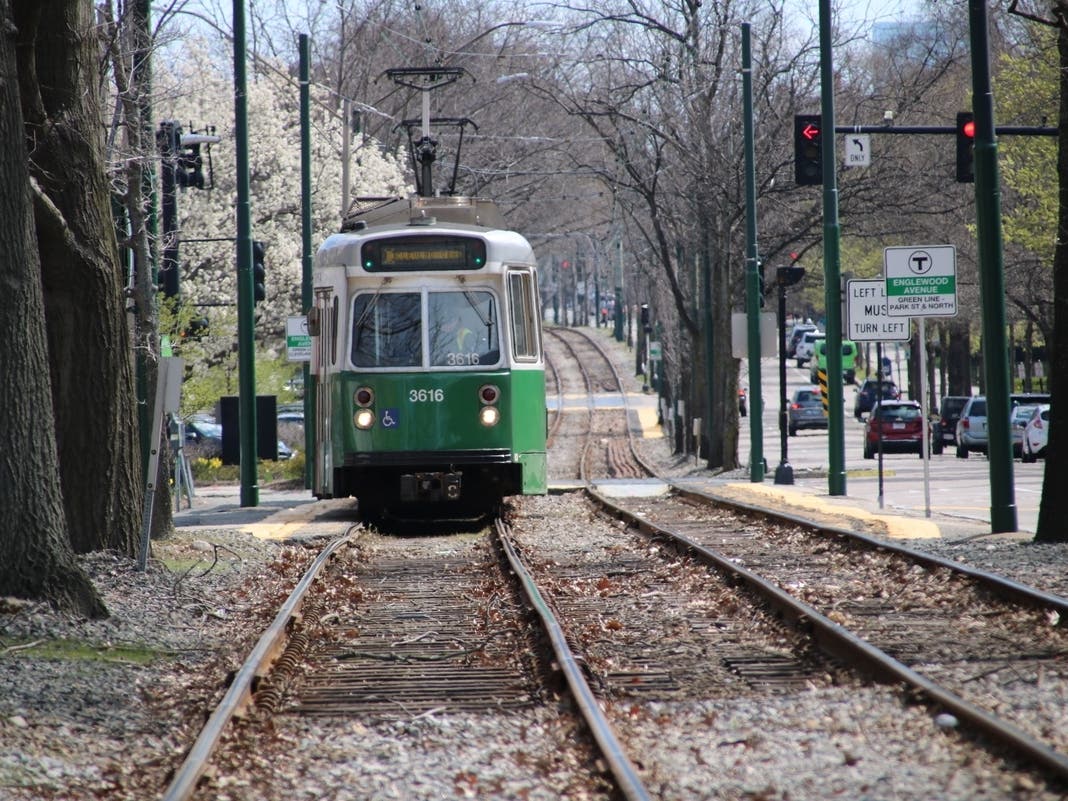
BOSTON, MA— The mayor is looking at taxing ride share companies as a way to reduce traffic and encourage people to take the T or bike or walk rather.
Rideshare companies already have to pay 20 cents per completed fare, under a state law that was passed in 2016. Half goes to the municipality from the ride originated, while the rest is split between the state and a fund to help the taxi industry.
But a new law proposes to tax regular Uber or Lyft rides higher than shared rides.
Find out what's happening in Bostonfor free with the latest updates from Patch.
In 2017 there were roughly 64 million rideshare trips in the Massachusetts, and 35 million of those originated in Boston. To put that into some perspective that year roughly 96,000 ride hailing trips started each day in Boston, according to the Department of Public Utilities.
A study of the most congested cities in the US put Boston at the seventh worst in North America, with drivers spending about 60 hours in traffic during peak hours in 2017, according to INRIX. Boston fell just after Washington and Miami.
Find out what's happening in Bostonfor free with the latest updates from Patch.
The mayor attributes at least part of the problem to the increase of rideshare cars clogging city streets. In response, Boston Mayor Marty Walsh's office, which comes up with a number of proposed bills for the state legislature every year, drafted four transportation-related bills including this one:
An Act to Update Transportation Network Company Assessments would update the existing TNC legislation to better align it with the State's and City's climate and mobility goals. In particular, it would create a lower assessment for shared trips, a higher assessment for solo trips, and encourage walking, biking and transit as primary modes of travel.
Although it's not clear how much more the city would charge, but critics say there are other ways to reduce congestion, including installing a toll for anyone who drives downtown.
Lyft said for its part it's been thinking about sustainable transportation, but not this way.
"Any proposal to increase fees only on rideshare, neglecting personal and commercial vehicles, could be detrimental to those who rely on Lyft and services like it for affordable and reliable rides," said Lyft spokesperson Campbell Matthews.
"We agree with the Mayor on the importance of reducing congestion and increasing sustainable transportation, which is why all Lyft rides are carbon neutral, and we support increasing Shared rides, transit ridership, and bikeshare," said Matthews.
In a letter to the editor Lyft challenged the data on who was clogging Boston's roadways, saying that ride-hailing services represent just 7 percent of vehicles on the road in Boston during morning rush hour.
"What makes up the other 93 percent? Largely people driving themselves to work," the letter read.
Those who take Lyft or Uber to work instead of public transportation argue that it's simply faster and more convenient than waiting for a crowded bus or T.
Never miss another local news story: Get free local news alerts right to your inbox.
Image credit: Shutterstock
Get more local news delivered straight to your inbox. Sign up for free Patch newsletters and alerts.