Health & Fitness
BU Didn't Make Deadlier COVID-19 Strain, University Says
New Boston University research into spike proteins on the omicron variant led to a report claiming the school created a new, deadlier virus.


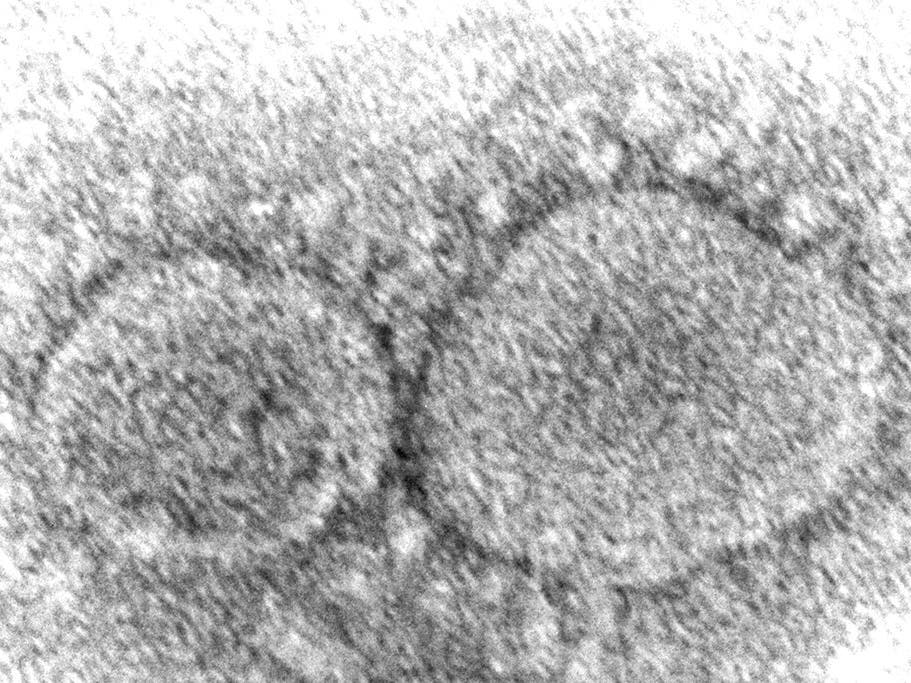
BOSTON, MA — Boston University is defending recent research into COVID-19 spike proteins after a United Kingdom-based newspaper Monday claimed researchers had created a "deadly Covid strain with an 80 percent kill rate."
The research, which recently took place at a level 3 biosecurity lab at BU, was probing why the new omicron ba.1 variant was better at evading immunity to previous versions of the virus, specifically the strain that first appeared in Washington state in early 2020.
BU researchers created a chimeric virus by combining an omicron spike protein — the piece of the virus that binds to human cells — with the 2020 form of the virus.
Find out what's happening in Bostonfor free with the latest updates from Patch.
The researchers tested the hybrid virus on mice that are more highly susceptible to COVID-19, the university said. The Daily Mail highlighted that part of the research to make a claim that BU had created a more deadly form of the virus.
"The animal model that was used was a particular type of mouse that is highly susceptible, and 80 to 100 percent of the infected mice succumb to disease from the original strain, the so-called Washington strain," said Ronald B. Corley, director of BU's National Emerging Infectious Diseases Laboratories. "Whereas Omicron causes a very mild disease in these animals."
Find out what's happening in Bostonfor free with the latest updates from Patch.
BU's work was approved by the Boston Public Health Commission, but the university did not tell the National Institute of Allergy and Infectious Diseases — the federal government's virus research agency led by Dr. Anthony Fauci — about it, according to STAT News. The BU research was funded in part by NIAID.
BU said the research will help create better COVID-19 treatments. The research, which has not been peer-reviewed, determined that the spike protein is not necessarily the main driver of omicron's heightened contagiousness.
Get more local news delivered straight to your inbox. Sign up for free Patch newsletters and alerts.