Community Corner
Common Folk: Berklee's Marcela (And Ruffles) Find Their Rhythm
Yes, sometimes Marcela and her guide dog can get lost in Boston, "but you just ask and you're back on your way." she says.


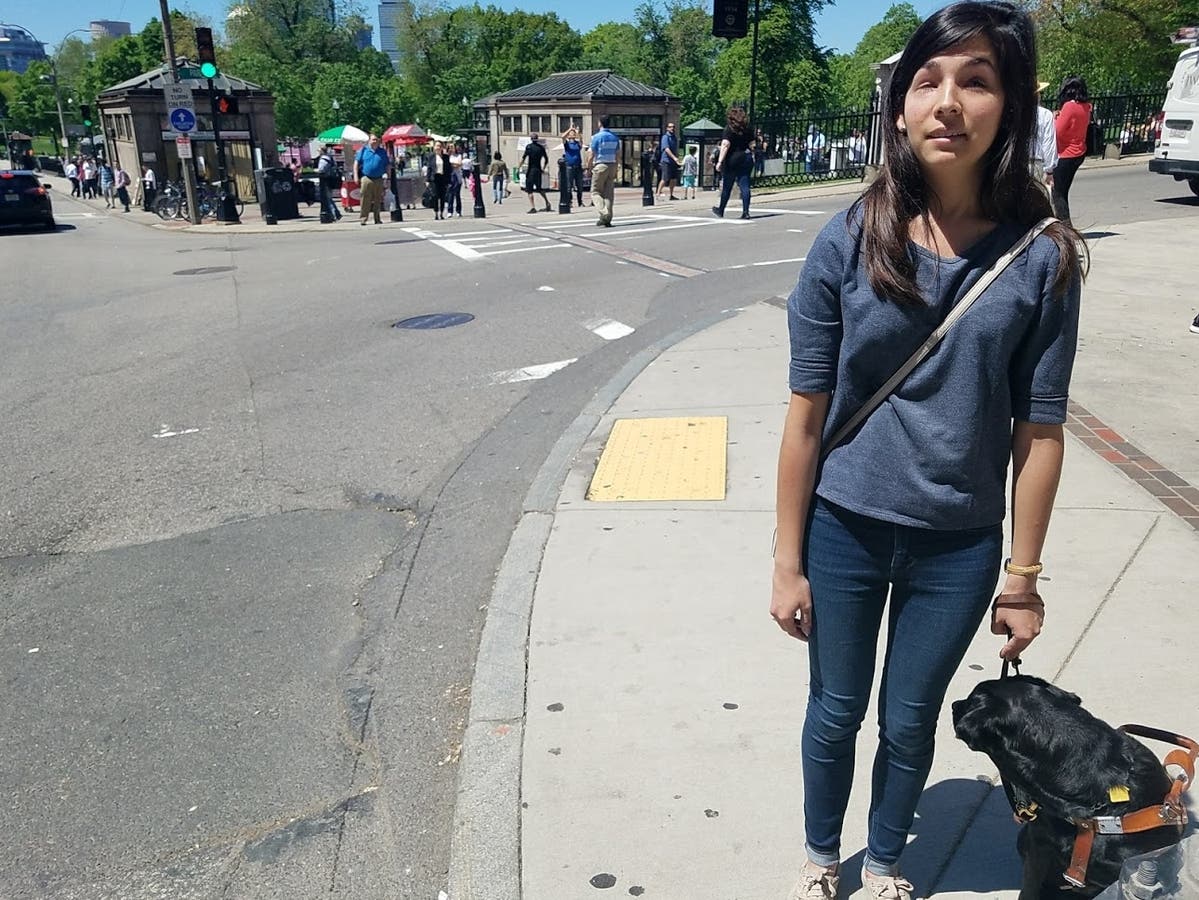
BOSTON, MA — At the corner of Park and Tremont streets Monday morning, just having walked from the Boston Common, Marcela Bastida is looking for a new breakfast spot. She decided because she had the time, she'd take the T from her off-campus apartment near Berklee College of Music and head downtown.
"I don't need to leave the Berklee area," she said. Everything that she could possibly want is conveniently nearby. "But I do it for her. It's good to get her out of her routine."
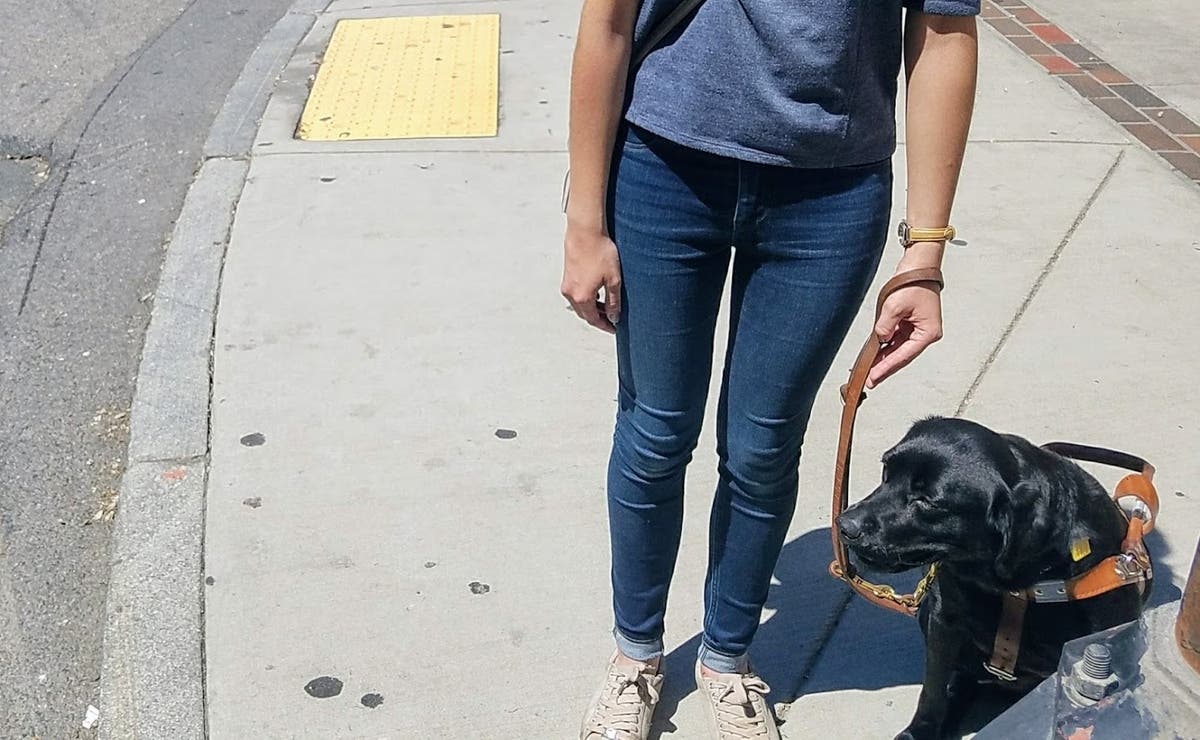
"Her" is Ruffles, the black guide dog with floppy ears at her side in a harness. Bastida doesn't want Ruffles to lose her focus as she guides her owner, who has been blind nearly since birth, on public transportation and as they visit new places.
Find out what's happening in Bostonfor free with the latest updates from Patch.
Shaking up the routine is something Bastida, 23, enjoys. The freedom of exploring the city on her own is something she wasn't able to do back home in Mexico.
Unlike in Boston, there are very few, if any, audible crosswalks in Mexico City, Bastida said. When she goes home, she has to rely on her parents to help her get around. Even if she were to use a taxi or an Uber, once she gets out of the car, it's difficult to navigate without help.
Find out what's happening in Bostonfor free with the latest updates from Patch.
"It drives me crazy," she said. Especially after the independence she's experienced in Boston.
So she gets in a different mindset and remembers she's on vacation when back in Mexico. That makes it easier when she has to revert to depending on her parents and sister. After all, she said, this is the same family who helped raise her to be as independent as she is.
She attributes some of the ease of navigating Boston from growing up in a place without voice cues on street corners or public transportation, instead relying on just a cane and the sounds of her surroundings.
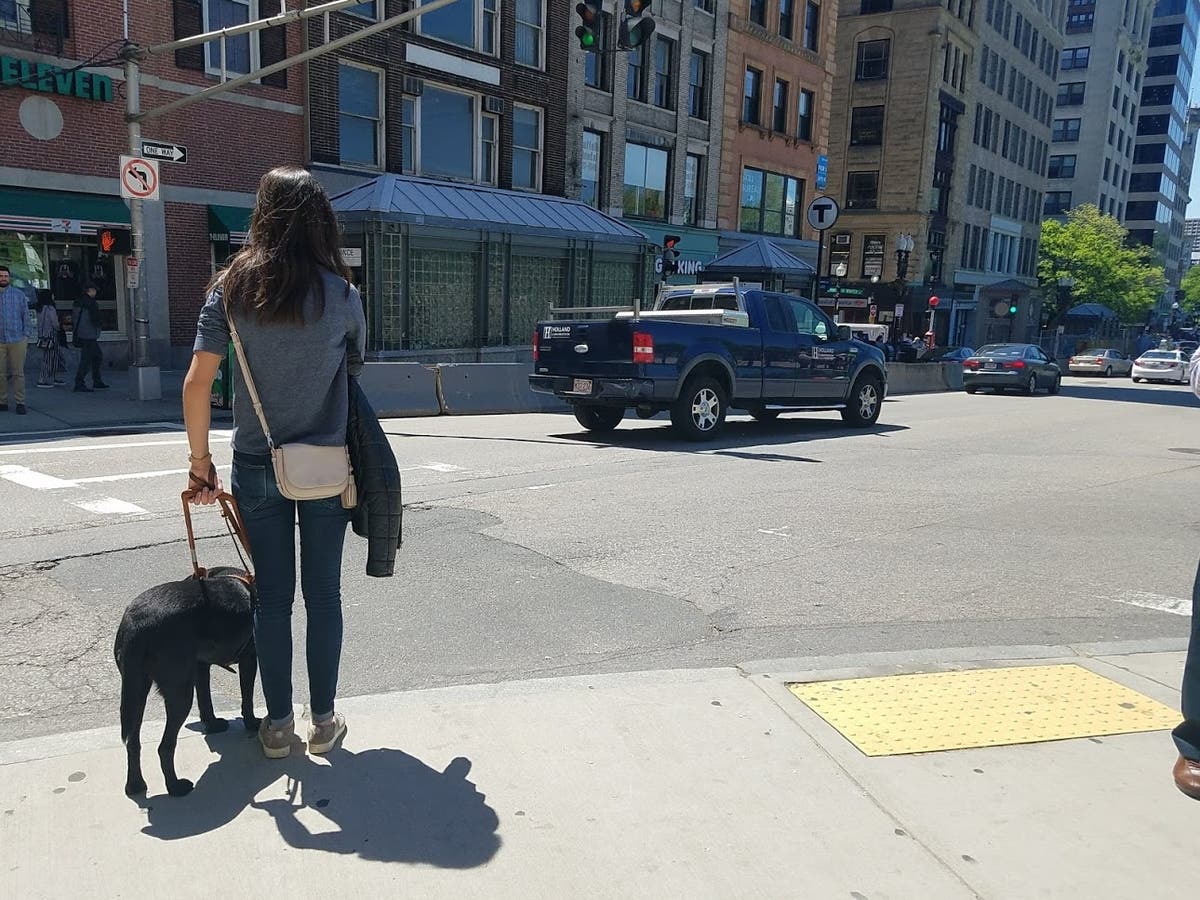
"Boston is a very accessible city. You can do whatever you want. Yes, sometimes you get lost, but you just ask and you're back on your way," she said.
A year ago she applied for a guide dog online. She had the home interview, the special training, and now she has Ruffles, who helps her travel around the city.
How she came to Boston
Bastida, who grew up playing piano from the age of 6 (though she had to take a short break to learn braille), came to Berklee on a five-week program four years ago and fell in love with the school. She knew she wanted to attend, but the scholarship she needed didn't come through. Then, two years ago, it did. She packed her bags, her white-tipped cane, and boarded a plane.
"Musically it's just the best place to study," she said.
Once back in Boston, she heard some Herbie Hancock, the famous jazz pianist, and it changed the way she saw her future. Listening to the jazz rhythm of the piano, she fell in love.
"I got my mind blown away," she said. Although jazz wasn't something her family listened to, she knew that's what she wanted study. "I think I was at first just trying to observe what the piano was doing."
Bastida now studies piano performance and jazz composition at Berklee. She works in one of the labs that has adapted software for people who are blind.
Common Folk is a new Patch series that seeks to answer the question: Who are the everyday people who wander the Boston Common? Sign up to Boston Patch to meet them.
Have you signed up for the daily free friendly Neighborhood Patch newsletter yet? You should probably get on that. And While you're on it do you follow Boston Patch on Facebook ? You should probably get on that, too.
Photos by Jenna Fisher/Patch
Get more local news delivered straight to your inbox. Sign up for free Patch newsletters and alerts.