Neighbor News
Extended Warm Weather: Protect Yourself and Kids Against EEE
Long pants and sleeves, high socks, and some good mosquito repellent.

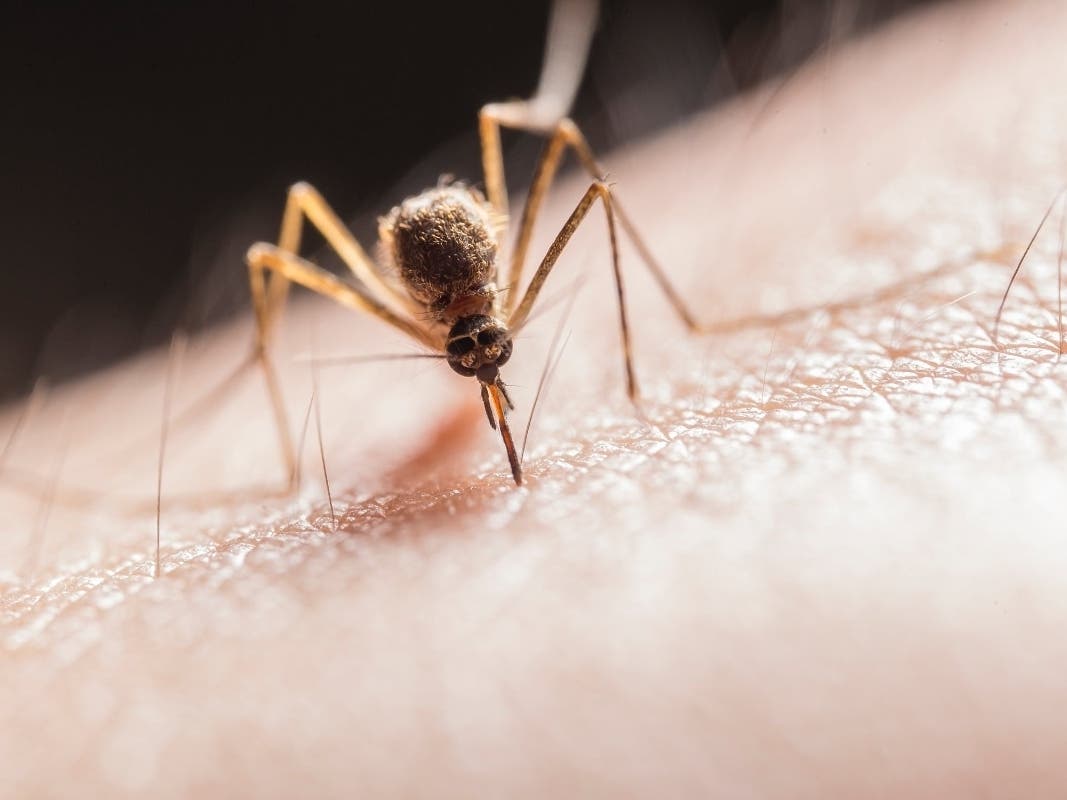
This month's continued warm weather is a blessing and a curse. Many of us are grateful to delay the inevitable slip into the cold Massachusetts winter.
As fall nears in the Boston area, cooler weather should help mosquitoes fade away and die off until they make their reemergence next season.
Unfortunately, the consistently warm weather is extending the Boston area mosquito season, providing new breeding opportunities, and preventing the death or hibernation of various mosquito species.
Find out what's happening in Bostonfor free with the latest updates from Patch.
Aside from their annoying buzz and pesky bites, mosquitoes can carry a range of bacterial and viral illnesses. This year, we're concerned with Eastern Equine Encephalitis, or EEE.
As of today, the Massachusetts Department of Health has confirmed 12 human cases of EEE in the state, with 3 confirmed deaths. Among those infected with the virus, a 5 year old girl in the nearby suburb of Sudbury (Sophia Garabedian), and a 70 year-old woman in Springfield.
Find out what's happening in Bostonfor free with the latest updates from Patch.
EEE is a scary and dangerous virus. There is no vaccine available for humans, there is no gold-standard treatment for the infected, and it carries an overall mortality rate around 33%. Symptoms of EEE usually begin about 2 to 10 days after being bitten, and usually begin with a headache and high fever and quickly escalate to confusion, seizures, and possibly coma.
The good news is, Sophia (the 5 year old girl) is making a slow but steady recovery thanks to her courage, her parents' vigilance, and her doctors' and therapists' hard work. She and her parents have been brave and outspoken about their cautionary tale, hoping everyone realizes just how serious the situation is.
How to Protect Yourself from EEE
The State of Massachusetts has issued several guidelines, mostly pertaining to outdoor activities. These include:
- During the hours from dusk to dawn, avoid scheduling outdoor activities. This includes cookouts, outdoor dining, nighttime strolls, and late night or early morning (before dawn) runs.
- Going outside? Wear a long-sleeved shirt, long socks, and long pants. Fortunately, the weather is slowly cooling down below the 80's and 90's, so this is becoming more tractable.
- Use mosquito repellent when outdoors! Here are some of the more effective repellent ingredients, with some advice for children.
- Adults: DEET at 30% or higher concentration is very effective at repelling mosquitoes. For those who want to avoid DEET, Picaridin, IR3535, and Oil of Lemon Eucalyptus are also very effective. Permethrin works as well as both a repellent and insecticide.
- Children: DEET should never be used on an infant, and if used on older children it should be lower than 30% concentration. The best mosquito repellents for kids typically contain Picaridin (like the Sawyer and Natrapel products), IR3535, or Oil of Lemon Eucalyptus (like the REPEL products).
- Repair any ripped window screens or screen doors, and try to keep doors and windows closed from dusk to dawn.
- Get rid of any areas around your house with standing water. Standing water is a ripe breeding ground for mosquitoes, so getting rid of it will reduce the risk of new hatching around your home. This includes things like kiddie pools, buckets, clogged gutters, recycling and garbage containers, birdbaths, and anywhere else you might have puddles of water that sit for longer than about 2 days after a rainstorm (mosquitoes can breed in about 4 days).
Community Activities to Help Slow the Spread of EEE
While controversial, many of the communities surrounding Boston have begun locally spraying insecticide in public parks, sports fields, and around school grounds. These initiatives are expensive and will only be considered if there is a loud community voice.
The Massachusetts Departments of Public Health and Agricultural Resources have joined together and begun aerial spraying of high risk areas in Middlesex, Worcester, and Norfolk counties. More information about this process is available at the Mass.gov website.
Community groups have organized to gather and walk through neighborhoods to help identify and remediate cases of standing water in public areas.
To contact your local mosquito control district, check the State Reclamation and Mosquito Control Board website, or give them a call at 617-626-1777.
If you suspect you might have been infected with EEE, immediately seek professional medical attention.