Crime & Safety
MA Is In High-Risk Area For Falling Space Station
But so is, like, the entire rest of the country.


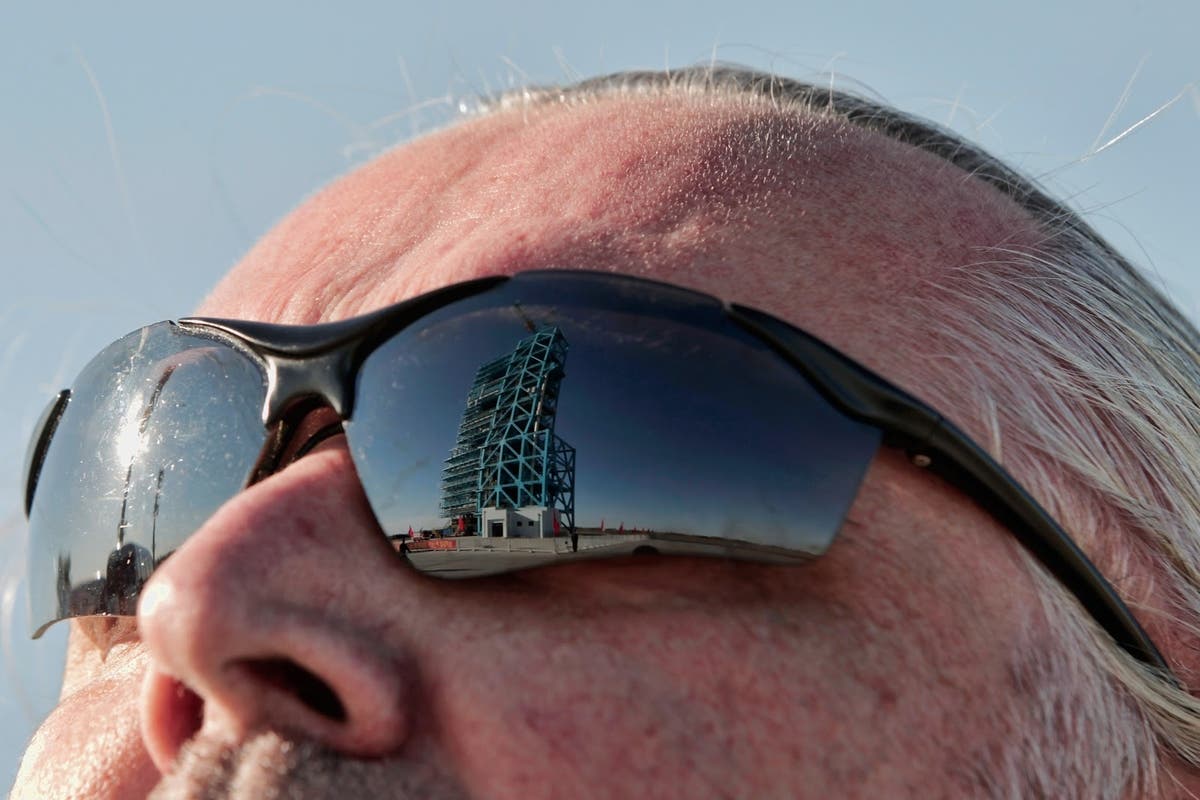
It might sound like a bad joke, but a space station the size of a bus is literally falling out of the sky and parts of it are expected to hit Earth on April Fools’ Day, give or take a day and half. And while the odds that someone is hit by space debris in Massachusetts are pretty low, it has happened at least one other time in the U.S.
Massachusetts is in the "high-risk" area for the debris, according to Aerospace Corp. But don't stress too much - literally nearly the entire rest of the country, along with tons of spots around the globe, are under the same "high-risk" area. But that doesn't mean I-95 or any other nearby spot is safe.
Tiangong-1, China’s first space station and an experimental space laboratory, was launched in September 2011. Initially, the disposal plan was to have a controlled reentry for the station. People on the ground would control the craft’s engines and significantly slow its descent.
Find out what's happening in Bostonfor free with the latest updates from Patch.
“Firing the engines would have been done at a specific moment so that it would reenter the atmosphere and substantially burn up over a large, unpopulated region of the South Pacific ocean,” the European Space Agency said in a blog post. “Any surviving pieces would fall into the ocean, far from any populated areas.”
But that’s not what’s going to happen this weekend.
Find out what's happening in Bostonfor free with the latest updates from Patch.
In March 2016, the space station stopped functioning, so teams on the ground are no longer in control of it.
“It is, therefore, expected to make an ‘uncontrolled reentry,’” the ESA says.
And some pieces will probably make it through that fiery reentry, though no one knows exactly where they’ll end up.
The organization Aerospace Corp. has produced a map of the most likely places they could land. Their analysis indicates the station will make reentry somewhere between 43 degrees North and 43 degrees South latitudes, which includes northern California and New Jersey, as well as parts of southern Europe, China and Japan.
Other states in the “high-risk” areas include parts of Nevada, Oregon, Idaho, Utah, Colorado, Wyoming, South Dakota, Nebraska, Kansas, Missouri, Iowa, Minnesota, Michigan, Illinois, Ohio, West Virginia, Pennsylvania, Maryland, New York, Connecticut, Rhode Island, Vermont and New Hampshire.
No one knows where #Tiangong1 will reenter, but we do know odds of it harming someone are vanishingly small. Our scientists calculate odds of you being hit by Tiangong-1 debris are ~1mil times smaller than odds of winning Powerball jackpot – even if you live in ‘high risk’ areas. pic.twitter.com/ic6hSl7WD6
— TheAerospaceCorp (@AerospaceCorp) March 13, 2018
The organization says the odds are less than 1 in 1 trillion. And the ESA estimates it's even smaller: 1 in 300 trillion.
Andrew Abraham, a senior member of the technical staff at Aerospace Corp., tells NBC News the debris is more likely to fall into the ocean or a piece of uninhabited land.
But the odds are just that — low. Lottie Williams knows this perhaps better than anyone.
Williams is the only person known to be hit by falling space junk. In 1997, she was walking through a park in Tulsa, Oklahoma, when she and her friends saw a fireball in the sky. Less than half an hour later, she felt a strange tap on her shoulder. She also heard something else hit the ground. It was a piece of the Delta II rocket.
“The weight was comparable to an empty soda can,” she told Fox News. “It looked like a piece of fabric except when you tap it, it sounded metallic."
Two decades earlier, in July 1979, Americans watched the sky in awe as Skylab, America’s first manned space station, plunged to the Earth. While some feared being hit by space junk, others celebrated and turned it into a commercial opportunity. There were several Skylab parties and one hotel in Charlotte, North Carolina, even designated itself an official crash zone, featuring a painted target.
Although Tiangong-1 will likely draw much less fanfare, people might see some streaks across the sky at the time of reentry depending on how close they are to reentry.
Patch reporter Dan Hampton contributed to this report.
Photo credit: Lintao Zhang/Getty Images
Get more local news delivered straight to your inbox. Sign up for free Patch newsletters and alerts.