Politics & Government
Brookline Card Sales Suffering, Official Says
Parking and shopping debit card draws criticism from town's Economic Development Advisory Board.
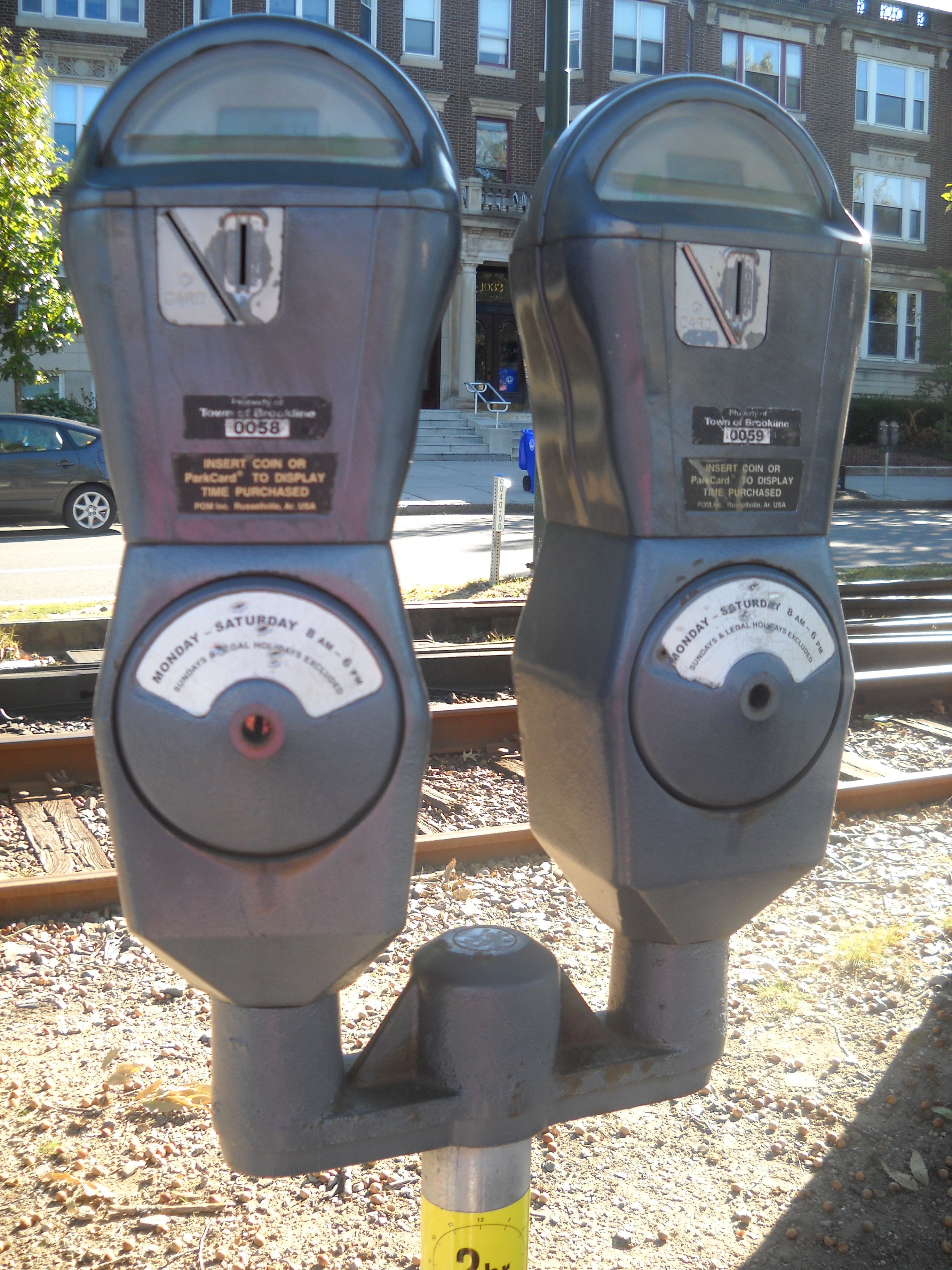


The new “Brookline Card” is off to a rocky start, with lower-than-expected sales of the debit card that works at the town’s parking meters and participating businesses. Brookline invested $1 million in retrofitting parking meters and garages to accept the card.
“It’s been a disappointing rollout for the vendor,” said Marge Amster, Brookline’s commercial areas coordinator, at the Feb. 7 meeting of the Economic Development Advisory Board.
Amster later told Patch that she does not know the number of Brookline Cards sold since the card’s debut in October. The card’s creator, New Hampshire-based PXT Payments, Inc., did not respond to Patch questions. The card was heavily promoted in web, print and radio advertising, all of which was paid for by PXT, according to Amster.
Find out what's happening in Brooklinefor free with the latest updates from Patch.
“The last I heard, [PXT officials] were estimating 10,000 cards to be sold by the end of the year and still expect to make that goal,” Amster told Patch.
But the current sales are clearly below expectations, as Amster asked EDAB for promotional ideas on PXT’s behalf. Local businesses were seeing little use of the card after its .
Find out what's happening in Brooklinefor free with the latest updates from Patch.
Amster said the Town of Brookline is partly to blame for the slow start because parking meters were not to accept the cards until December. But board members also questioned the card’s design and expense of the card program.
“There’s no incentive for me to want to use it,” said Donald Warner, a member of the Economic Development Advisory Board and Town Meeting.
Like the MBTA’s CharlieCard, the Brookline Card is a plastic debit card that can store up to $500 in credit on an internal chip. Card-reading devices allow users to pay for parking or purchases at participating local businesses. PXT takes a small fee from each transaction.
The Brookline Card is sold for $2 at businesses or online at brooklinecard.net (with an extra $1 fee for online sales). Customers can add money to the Brookline Card with cash or credit cards in stores, and by credit cards only online.
The Brookline Card is intended as a replacement for—and improvement on—the town’s earlier ParkCard, which cost $5 and was available only at the Public Safety Building.
“Convenience and security” are the card’s main selling points, Amster said. Card customers don’t have to carry quarters to feed parking meters. And the debit card is pitched as more secure than credit cards because the information is read directly from the chip instead of being transmitted to a remote computer database.
Some board members complained that the sales points were not being communicated well, and might not make sense.
Susan Houston noted that some Boston parking meters accept credit cards and wondered why Brookline’s did not offer that option as well. Currently, only some multi-space meters in Brookline also accept credit cards.
Warner echoed that concern, noting that most Brookline meters will not have a credit card option if the Brookline Card is a failure. A major motivation for replacing the ParkCard is that its technology went out-of-date and was no longer being manufactured, as Patch previously reported.
Houston also questioned the card’s $2 sales price. She suggested that the town give the cards away for free, as the MBTA does with the widely adopted CharlieCard.
EDAB member Harold Simansky noted that the ParkCard allowed customers to get a refund of any unspent credit, while the Brookline Card does not. Amster noted that people who pay for parking with quarters also cannot get refunds for unused meter time.
The advantage of using the Brookline Card for shopping was another source of doubt. EDAB member Marilyn Newman said that PXT needs to offer more reasons than the “sheer civic-mindedness” of shopping locally. Warner suggested a customer loyalty program that offers discounts for using the card.
Warner also took a big-picture view, proposing a true “Brookline Card” that could be used to check out library books and pay traffic fines.
“Why not a Brookline Card [that is] good for everything?” he asked. “Because this is going nowhere.”
Amster said that PXT will pay for any additional advertising. EDAB members suggested using direct-mail marketing and point-of-sale advertising in stores. The Town of Brookline has assisted in promotions by e-mail and distribution of post cards and posters, Amster told Patch.