Health & Fitness
Mosquito Control Spraying Could Start This Week
What you need to know about helicopter applications in Chelmsford.


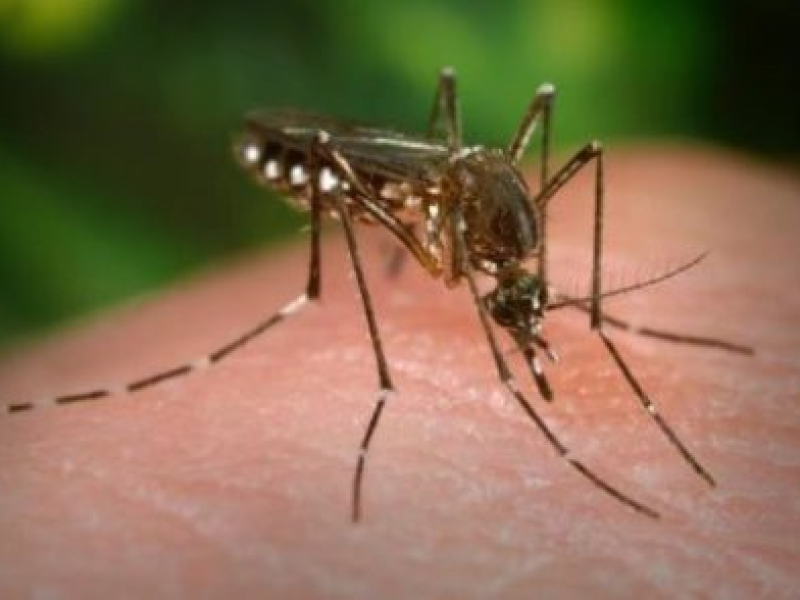
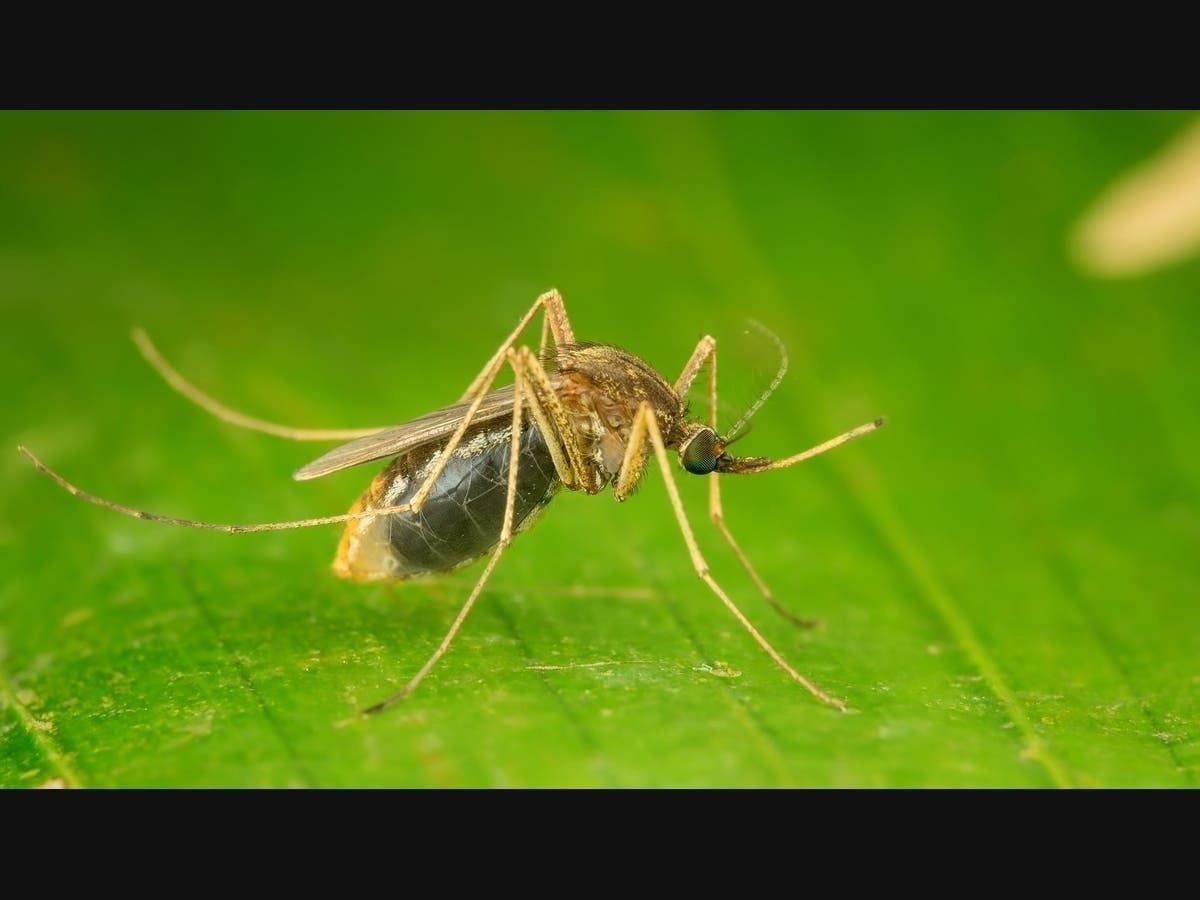
Chelmsford conducts helicopter applications of the biological larvicide, BTI, to control mosquito larvae this time of year. The applications, according to the town, usually take place during the third week of April each year.
Administered by the Central Massachusetts Mosquito Control Project, while these applications typically happen in the third week in April, it this is dependent on the larval stage (the target stage is the 2nd to 3rd instar) and weather factors. Site visits will determine the actual date(s) of application. Once started, the application can take two to three days, but is also be subject to the current weather conditions.
View the map of proposed application areas in Chelmsford >>>
Find out what's happening in Chelmsfordfor free with the latest updates from Patch.
The applications will be conducted over specific large wetlands within the two communities. Applications will be done between daybreak and dusk.
Central Massachusetts Mosquito Control Project officials say specific wetland types over 1 acre have been outlined on the maps. These wetland types (wooded swamp deciduous, conifer and mixed; shallow marsh; shrub swamp) have been identified as the preferred habitat for the target species. We will field check these sites, and any sites under 5 acres that we identify as not suitable for this application will be removed for consideration and monitored and treated if necessary as part of our regular, ground larval control program.
Find out what's happening in Chelmsfordfor free with the latest updates from Patch.
According to the Central Massachusetts Mosquito Control Project, the materials and methods include using helicopter applications of Bacillus thuringiensis israelensis (Bti), a non-reproducing bacteria used for the control of mosquito larvae, the total numbers of spring brood mosquitoes can be reduced. This is the same product they have used for nearly 25 years as part of our regular ground larval program. Maps of the treatment sites using GIS software will be prepared for the contractor. These sites have been selected using data collected by the CMMCP staff.
Although potential areas of mosquito breeding have been identified, they will only target these areas after confirmation is received from field observations (pre-surveillance). All areas will be sampled using established procedures and protocols in the mosquito control Generic Environmental Impact Report:
- An average of 1 mosquito per dip over 10 dips will be used as a threshold to determine if an application in that area is warranted.
- The Central Massachusetts Mosquito Project will have at least 1 dip station per 250 acres as a monitoring device.
Once confirmation is received, the area will be designated for treatment. We will generate a report on this program using the pre and post treatment data we collect. This report will be used to show efficacy, and will also be sent to other neighboring towns to encourage their participation next year, since this type of program is most effective on a regional basis. Considering the similarity of topography in many towns, officials say they feel confident they can reduce spring brood numbers, thus reducing the dependence on the adulticide program.
Residents with questions or concerns can contact the Chelmsford Board of Health at 978-250-5241. You may also visit the Central Massachusetts Mosquito Control Project web site at www.cmmcp.org.
Get more local news delivered straight to your inbox. Sign up for free Patch newsletters and alerts.