Neighbor News
Falmouth Gambling Drinking Water For Offshore Wind
Falmouth Onshore HVDC to HVAC Electric Sub Station Siting Gamble

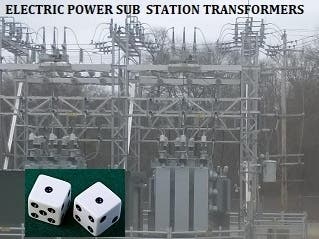
Falmouth Onshore HVDC High Voltage Direct Current Electric Sub Station Siting
Note# This is not the first time the town gambled on wind energy
Offshore wind is planning to place a high voltage direct current onshore electric plant and megawatt cables in Falmouth. The offshore wind company pays the town 1 million a year for 20 years and a small stipend each year for 20 years through a Host Community Agreement. In turn, the town becomes partners with offshore wind bypassing bylaws and liability.
Find out what's happening in Falmouthfor free with the latest updates from Patch.
The substation's primary and secondary locations are an industrial application on the southwestern, down‐gradient side of a sole source aquifer, the Sagamore Lens, which feeds multiple Falmouth watersheds flowing to the coast.
The electric substation power conversions transformer cores and winding are encased in mineral oil to keep them cool. Mineral oil requires material safety data sheets. The oil is cooled by large amounts of water, water towers, forced air, or some kind of chemical. In general power, conversion electric plants also generate noise.
Find out what's happening in Falmouthfor free with the latest updates from Patch.
Secondary containment safety mitigation at substations generally does not work during lightning strikes or fires spreading to the nearby environment. A recent example of failed mitigation was one rail car overheating wheel bearing failure that led to the recent toxic chemical spill for the entire Town of East Palestine, Ohio, and exposure to residents' air and water.
Falmouth pumps its drinking water from a surface reservoir and during the summer requires the use of wells as the summer population increases.
The Falmouth aquifer has over the years been impacted by leaks from military activities, gas stations, landfills, storm drain runoffs, and including now closed open sand beds at the Falmouth wastewater treatment facility that were never supposed to leak. Now a high-voltage direct current electric plant of which chronic oil leaks are the single most significant problem for electric power substation infrastructure, primarily transformers.
The #1 Substation's preferred location is directly west of Sols Pond whose history shows the possibility of old broken drainage pipes and discharge in past years. More than likely an RDA, Request for Determination of Applicability would be required to see if the Wetlands Protection Act applies to build an onshore electric substation next to the pond. The Buzzards Bay Project addressed Sols Pond stormwater runoff issues with the town engineering department in 2004.
Abutter notifications
The residential abutters are Gifford Street, Jones Road, Stephens Lane, Beacon Street, and Rogers Road. In general west of Gifford Street and north of Jones Road at the end of Stephens Lane. The site is approximately 27 acres.
The # 2 Substation's second pick location is near Crooked Pond and Shallow Pond. The Crooked Pond Water Plant treats water from the Crooked Pond and Coonamessett Wells. Shallow Pond and its associated wetlands are part of a chain of ponds that begin with Crooked Pond extending south to Jenkins, Deer, Mares, and Long Pond.
Residential abutters are Blacksmith Shop Road, Thomas B. Landers Road, and Sunfish Lane.
In General Blacksmith Shop Road on the northern side of Thomas B. Landers Road in Falmouth. The site is approximately 33 acres.