Politics & Government
Framingham May Push Back Tax Bills Over Water-Sewer Fund Deficit
Framingham has an emergency deficit in its water and sewer fund, and a key City Council committee wants to buy more time to fix it.


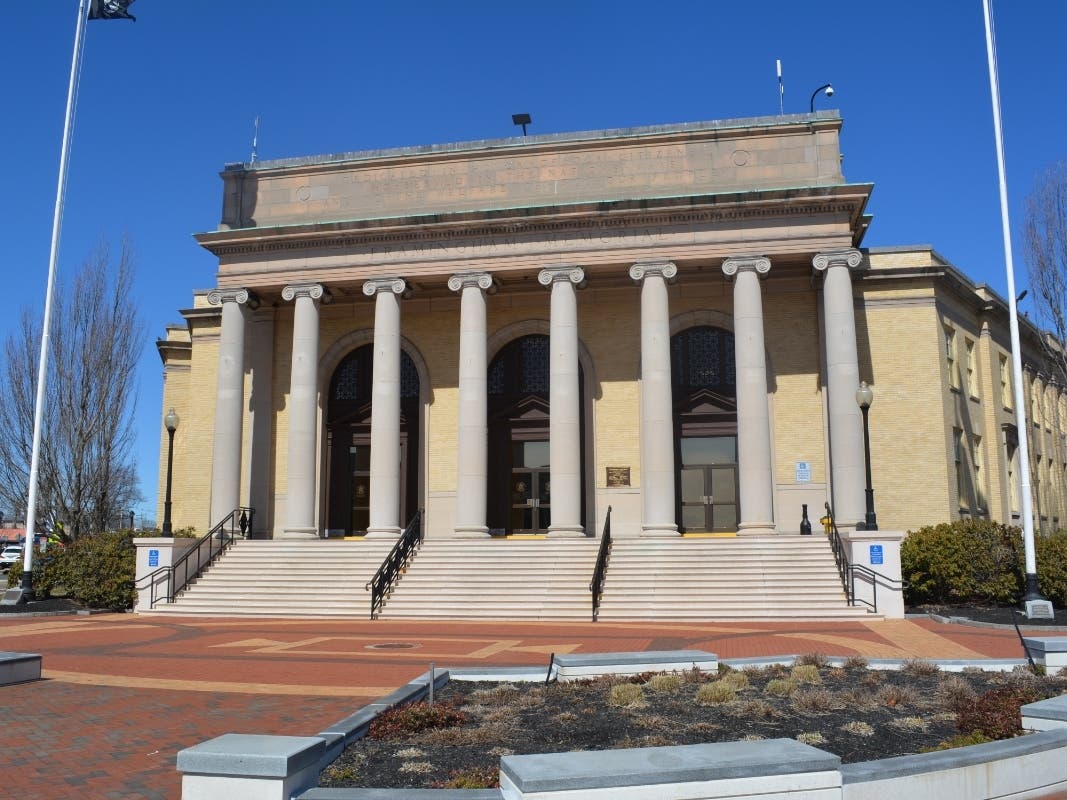
FRAMINGHAM, MA — Framingham may take more time to fix a deficit in the water and sewer enterprise fund that was revealed last week.
After hours of discussion Tuesday night, the City Council Finance Subcommittee voted to recommend a plan that would buy several more months to fix the deficit. Mayor Yvonne Spicer has put forth her own plan that could be approved as soon as Dec. 15. But some Councilors don't like her plan, and want to find reductions elsewhere in the city budget.
The deficit involves a complicated mix of problems with water and sewer revenue, tax rates, state officials and the need to avoid tax and utility bill increases.
Find out what's happening in Framinghamfor free with the latest updates from Patch.
The Problem
The city's Water and Sewer Enterprise Fund was $1.5 million in the red when the 2020 fiscal year ended in June. On top of that, Framingham is projecting a $2 million shortfall in the Water and Sewer Enterprise Fund for fiscal year 2021.
Why There's a Deficit
According to Framingham Chief Financial Officer Mary Ellen Kelly, there's been a water consumption drop across the city, most likely due to businesses — offices, restaurants and retail — being closed or reduced due to the coronavirus pandemic.
Find out what's happening in Framinghamfor free with the latest updates from Patch.
State Involvement
Each year, the state Department of Local Services (DLS) approves the tax rates set by the City Council. The Council set the rates in early November, but last Monday, DLS told Framingham it could not approve them due to the Water and Sewer Enterprise Fund deficit.
If Framingham does nothing about the deficit, DLS will add the shortfall to the levy, resulting in an increase in property taxes.
Spicer's Solution
DLS has agreed to let Framingham pay off the $1.5 million 2020 deficit over three years beginning with a $500,000 payment in 2021. But add in the projected 2021 deficit of $2 million, Framingham is looking at a total sudden payment of $2.5 million in 2021.
To fix the deficit, Spicer wants to reduce the Framingham Public Schools budget by $800,000, and reduce the approved budgets for the water and sewer departments by $100,000 each. Spicer also wants to take $1.5 million from the free cash balance, which stands at about $8 million total. She had asked the City Council to approve her plan on Dec. 15.
City Council Intervenes
The City Council held an emergency meeting on Tuesday night to discuss the problem. Council Chair George King proposed the city not send out tax bills this month, which would avoid state-intervention in the tax rates.
Framingham is set to send out the 3rd quarter tax bills this month with a Feb. 1 due date. But Framingham could wait until March 1 to send them, pushing the due date back to May 1.
King's plan doesn't come without a cost. Kelly said the city could lose some $50,000 in investment revenue if people pay their taxes months later. There's also the risk the city could run low on revenue and would have to borrow money from the state, incurring interest costs.
"I think that's a cost that's worth it for a $2.5 million problem," King told Kelly on Tuesday.
The Finance Subcommittee eventually voted 3 to 2 to recommend King's plan with Finance Subcommittee Chair Adam Steiner and District 2 Councilor Cesar Stewart-Morales in opposition. The larger City Council will still have to approve King's idea, most likely at the Dec. 15 meeting.
Get more local news delivered straight to your inbox. Sign up for free Patch newsletters and alerts.