Community Corner
Are You Being Punked by Food Manufacturers?
Natural, Organic, GMO, Trans Fat, etc… Are these package labels for health or marketing trickery?
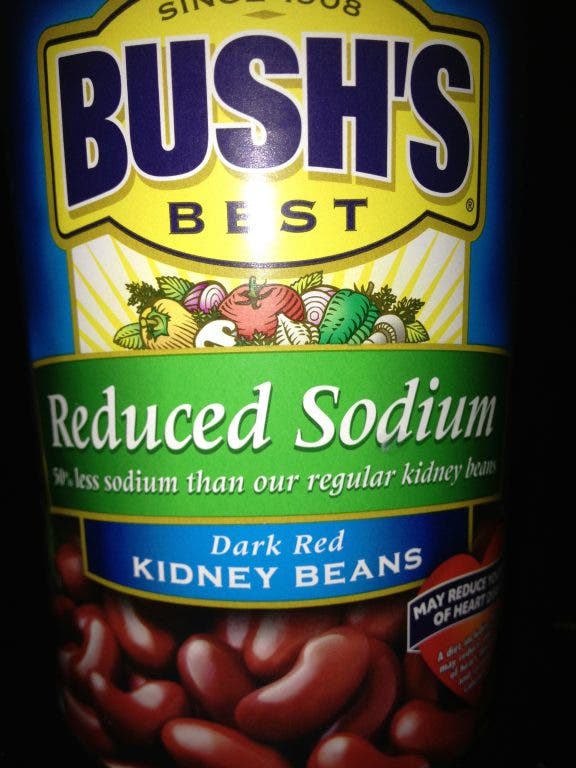


For most people, food shopping is at the bottom of the barrel for fun. Between the crowds at stores, the time it takes, and the skyrocketing prices, it’s one of the week’s dreaded chores. Throw in the marketing madness on the packaged foods and many well-intended shoppers are being health "punked" for that expensive bill at the register.
One thing I love about giving grocery store tours is explaining what the terms plastered on products mean. Why not give the Patch readers a bit of shopping marketing know-how?
Perhaps this table will help.
Find out what's happening in Graftonfor free with the latest updates from Patch.
Marketing label
What it means
Find out what's happening in Graftonfor free with the latest updates from Patch.
Why we’re being ‘punked’
Similar and confusing
Natural
Contains no artificial ingredient or added color and one that is only minimally processed (USDA)
The label must include a statement explaining the meaning of the term natural (such as "no artificial ingredients; minimally processed")
Product may contain antibiotics, hormones, high fructose corn syrup and other similar chemicals.
The USDA lets meat and poultry products claim to be “All Natural” when injected with beef or chicken broth, which not only increases the sodium levels but increases the price due to higher weight.
The term is unregulated and undefined if not on a meat product
“All” Natural = no difference
Fresh
Whole poultry and cuts that have never been below 26°F. A product that has been heated or cooked or more than minimally processed cannot be called “fresh”
Does not mean recently harvested, “close to the farm,” “from the farmers’ market,” or “from the garden”
Minimally processed: processed in a manner that does not fundamentally alter the product. Traditional processes including smoking, roasting or drying
GMO
(Genetically Modified Organism)
An organism whose genetic material has been altered using genetic engineering techniques. Organisms that have been genetically modified include micro-organisms such as bacteria and yeast, insects, plants, fish, and mammals.
There is no requirement for GMO labeling of products we consume regularly. Estimated 70-75% of all grocery store products contain at least one genetically modified ingredient (The Center for Food Safety)
GMO Free: No Genetically modified organisms used
Light
1/3 less calories
OR 50% less sodium
OR less fat
Specifics to which “light” is referring to is not clear.
Often has higher sugar to increase flavor and many are left less satisfied eating more.
Low fat: 3 or less grams of fat per serving
Reduced fat = ½ the fat of the original version
Sugar free
Less than 0.5gm per serving
Sugar is always replaced by an artificial sweetener (or two)
Can have high fructose corn syrup
“Low Sugar” or “Lightly sweetened,” No federal regulations for this (Kellogg’s Frosted Mini-Wheats claims “lightly sweetened,” but contains 12gm of sugar per serving)
No Trans fat
Manufactured by processing liquid vegetable oil to become a solid fat
Many know the health concerns with trans fat
A product can still have Trans Fat in the ingredients if it has less than 0.5gm/serving
Many products claim “0 Trans Fat” but have huge amounts of saturated fat
Hydrogenated and partially hydrogenated oils
“Good source of”
10% of USDA recommended allowance for a vitamin or nutrient
Many daily recommendations are lower than they should be. Fruit Loops may be a yummy treat (and there’s the cool colored milk at the end), but it’s simply not a good source of fiber (or whole grain)
“High source of” = 20% of USDA recommended daily allowance
“Made with”
Not required to disclose the percentage of amount (ie: whole grains versus refined grains)
No Cholesterol
Fewer than 2 mg of cholesterol per serving
Many times things that don’t ever have cholesterol in them (such as sunflower seeds) are promoted as “No Chol!”
Cholesterol Free
Whole wheat and whole grain
Whole grain has the entire kernel of a grain (from the bran to the endosperm to the germ.) Whole wheat has the bran and germ removed during the refining process and is left containing only the endosperm.
The majority of vitamins and fiber are contained in the wheat bran and wheat germ that is shed during the refining process.
Many times punked on believing we are getting a whole grain when we are getting only a portion
100% Wheat: Often missing the WHOLE kernel =missing nutrients
“Enriched wheat flour”= nutrients added back to pass FDA nutritional standards
Organic
Cannot be produced with any antibiotics, growth hormones, pesticides, petroleum or sewage-sludge based fertilizers, bioengineering, or ionizing radiation. Must consist of at least 95% organically produced ingredients.
Cannot use GMO seed.
Higher cost: standards are much stricter than foods our country consumes in much higher quantity. Growers must fill out forms with growing history for the last 3-5 years for certification and go through 3rd party verification, on-site inspections conducted and unannounced inspections after certification.
Made with organic ingredients = 70% organic and none of the ingredients can be produced with sewage-sludge based products or ionizing radiation
100% organic = 100% organic
Free Range
Only certifiable "free range" food items are poultry and eggs. Law states that chickens must be "allowed access to the outside” – typically un-caged, inside barns with access to outside
There are no specifications to size of ‘range’.
No other meat has qualification to be certified as ‘free range.’
Free-roaming – same as free range
Cage-Free – typically un-caged, not mandated to have access to outside
Grass Fed
Raised primarily on ranges rather than in a feedlot, must be allowed to graze.
Not much regulation. Know your company
Grain fed
Probably feedlot animal
Lean
Fewer than 10gm of fat, 4.5gm of saturated fat, and 95mg of cholesterol per 100gm
This regulation is grandfathered in, which means that meat that has consistently been labeled lean since before 1991 can retain the label even if it doesn't meet the requirements.
80 % = 20 gm of fat
90% = 10 gm of fat
Remember the Pink Slime saga?
Farm Raised
Raised in netted cages in coastal waters: provide almost one third of all seafood sold
As much as 16 times higher in PCB’s
Antibiotics used
Salmon is often dyed with canthaxanthin to get the pink color they miss from eating pink krill in the wild
Wild: caught in open waters
May be caught using dynamiting reefs, high-seas bottom-trawling, and drift nets or using hand-lines, dive, pots or traps.
Food labels are misleading. Another great example: "high fiber." Traditional sources of intact fibers from whole grains, beans, vegetables, and fruits are known to lower blood cholesterol and blood sugar, as well as help with regularity but processed fibers (such as those in Fiber One bars) don’t have the same health benefits (and often have high sugar content).
Bottom line, purchase food for their ingredients (not the packaging claims), eat more whole food than packaged foods, follow portion size guidelines set on the product (or add up the true amount you are eating) and don’t let the manufacturers dictate your spending dollars or your future health.