Health & Fitness
Home Maintenance 101 — Plumbing
A basic primer on plumbing, including tips on getting your drains unclogged without using harsh chemicals.
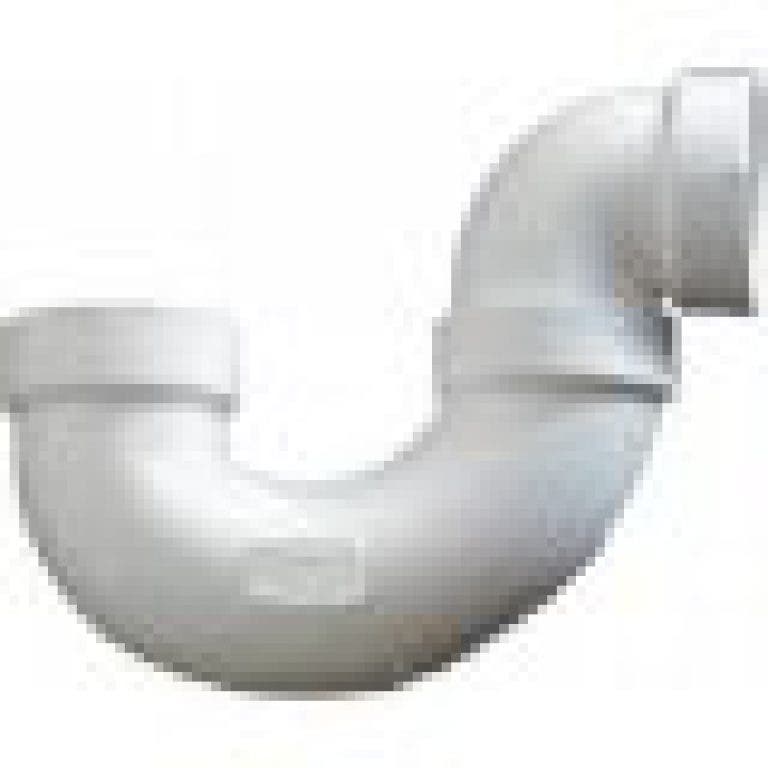

Look under the kitchen sink and what's there? Hmm, a big pipe with a curve in it, one end connects to another pipe and then to a thing on the sink and the other goes into the wall. Ah, some small pipes coming out of the wall with doodads on the ends and hoses or smaller pipes leading up to that dark place behind the sink. Maybe a large round thing with a wire coming out of it, or yet another hose that seems to go over that way. Two cans of furniture polish, some laundry detergent and that old... Oh, plumbing, okay.
Big pipe with curve = a 'P Trap" (no, not that kind of P, merely the basic shape) It's main purposes are to stay half full of water to prevent sewer gasses from entering and to create a slight vacuum as the water flows downward.
Another pipe = a 'tail piece' connecting the trap to the basin strainer.
Find out what's happening in Jamaica Plainfor free with the latest updates from Patch.
Thing on the sink = a basin strainer.
Small pipes with doodads = hot and cold water pipes with shut-offs or 'stops.'
Find out what's happening in Jamaica Plainfor free with the latest updates from Patch.
Hoses or smaller pipes = hot and cold water 'supplies' to the faucet.
Large round thing w/ wire = disposal.
Hose going that way = dishwasher drain hose, typically connected to the another pipe with a 'wye' connector.
This of course is a kitchen sink, but all sinks have the basic parts -- p-trap, tail piece, stops, supplies and drains. Older traps and tail pieces are typically 1-1/4" or 1-1/2" chrome-plated brass, newer ones are usually 1-1/2" white PVC and either can be connected to the original black iron waste pipe in varying configurations.
Lets start with sink drain essentials, what to do before freaking out and grabbing the Yellow Pages. Drain pipes are essentially gravity-fed low-pressure lines, the weight of the water itself pulls it to the lowest point which, in homes, are the basement waste pipes.
A little human awareness goes a long way. No, there shouldn't be an inch of water in the shower after it's shut off, and, no, the sink water shouldn't be still draining out ten minutes later. And neither are likely to just go away.
Why sinks clog or run too slowly is no mystery: GUNK builds up in the trap or at a nearby connection, but typically the trap. Kitchen -- food particles, grease, various oils and other food remnants. Bathroom sink -- toothpaste, hair, hand soap, misc. unguents and cosmetics. Tub/shower -- shampoo, conditioner, body wash, bar soap, hair, hair and more hair. And there's little aside from the draining water to entice these things along.
Of course, we're all quick to head for the Liquid Drano or Plumber In A Bottle because the flashy TV ads say we should. The main ingredients in a majority of hardware stores formulas are sodium hypochlorite (bleach), sodium hydroxide (lye), or potassium hydroxide (caustic potash), all of which are known to dissolve organic matter, but aren't known to be particularly kind to human skin or the environment.
The first line of defense I suggest with a slow-running drain should be boiling hot water -- boil it up and pour two-quart pans of it in a couple or three of times. Vinegar with baking soda is an old-style remedy, but seems to have limited effect on serious gunk. Slow running drains have the advantage of still flowing, thus allowing the boiling water to heat up and flush the debris. A slow drain doesn't have to become a clogged one.
A clogged drain is an unhappy drain and the reasons are outlined above - GUNK has filled the trap or a nearby fitting (a tee or elbow) and water can no longer pass. A plunger will usually do the trick -- ugly red or black suction cup with a handle from the hardware store -- and be aware that there are a sink and a toilet model. Fill sink with several inches of water, insert plunger and plunge vigorously, check results and plunge again if necessary -- it may take two or three tried depending on the age and quantity of GUNK built-up in there.
FYI, bath sinks and tubs have vents than must be covered to efficiently use a plunger -- the former is usually located toward the front edge inside the sink. The latter is typically part of the tub overflow mechanism and located in the chrome ring at the front of the tub. Cover these as tightly as possible with a wet cloth, or even get some assistance from a second party as it's pretty tough to plunge while holding a vent cover. If successful, a good flushing with boiling water will also add to the cure.
And now the last resort -- store-bought drain cleaners. There's about a tremendous amount of very small print on the back of the average drain cleaner bottles, most of which are warnings and/or disclaimers, so I'll try to clarify all that with some common sense. I suggest a gel or foam type cleaner as it will, in theory at least, remain mostly around the problem points as the drain clears. Remove everything from around the sink top ot tub area -- yes, the Rubber Ducky must go temporarily, sorry. CLEAR all possible of the standing water from the problem fixture so there will be less to splash around when introducing the toxic brew.
Pour in the recommended amount at arms-length, keeping face and body well clear in case the cleaner reacts with water and splashes upward. WAIT like it says on the bottle, 15 min for a slow drain and 30 mins for a clogged one, and take a look. These directions are particularly important to those with older metal pipes because this stuff will weaken or eventually eat through older soft metals like brass and bronze. Try some water if it seems to have drained, and repeat if not. When the drain runs freely, flush flush well with warm or hot water. Note: NEVER, ever get impatient or over-ambitious and plunge a sink full of drain cleaner. The plunging phase ended earlier, hide it away somewhere.
If the drain is still clogged after this diligent attention, consider a plumber or at least a handyman with a plumbers snake. Drain cleaners aren't terribly effective on clogs located away from the actual sink area..
Wishing all a clog free week, I shall return next week for the topic "Leaks."