Politics & Government
OP-ED: Shining A Light On Education Collaboratives
Send letters to the editor and Lynnfield-related op-ed pieces to william.laforme@patch.com.


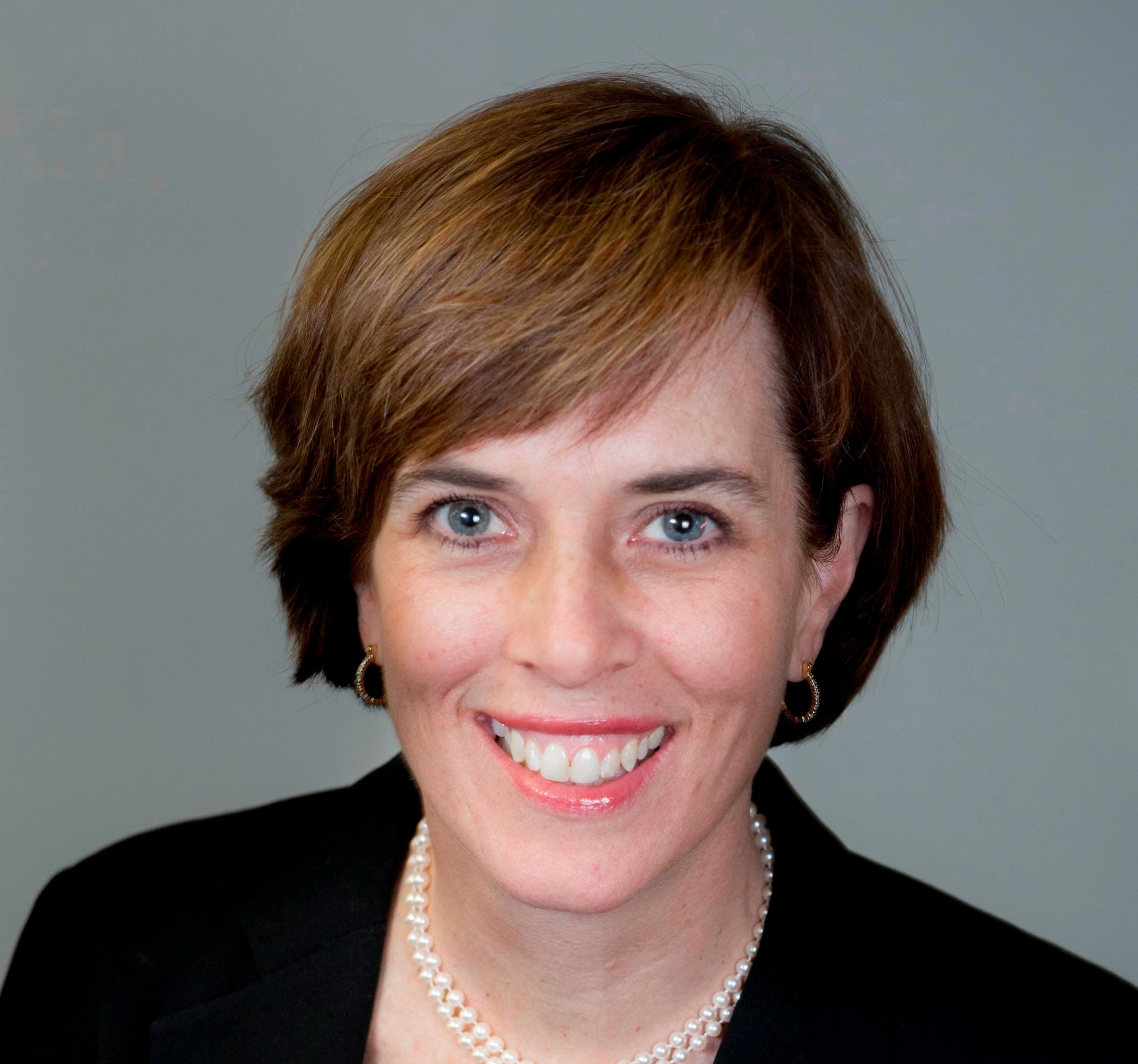
The following is an op-ed from State Senator Katherine Clark:
Last summer, the state’s inspector general accused the director of Merrimack Special Education Collaborative of diverting $11.5 million in public funding to boost his salary and those of a few top executives. In response, last week the State Senate passed legislation to reform the Commonwealth’s system of education collaboratives, increasing the transparency, accountability and oversight of these important institutions.
Education collaboratives, established by law over 35 years ago, provide special education services and programs to students throughout our state. The purpose of the collaboratives is to allow school districts to join together to offer educational services for students with special needs who cannot be served in a traditional public school.
Find out what's happening in Lynnfieldfor free with the latest updates from Patch.
Currently about 30 collaboratives in the state serve over 300 local and regional school districts, educating many students and providing other services like professional development. While most collaboratives are well run and play a key role in our educational system, the Merrimack investigation revealed that the system needed major reform and increased oversight to prevent corruption and to ensure that our students get the high-quality services and opportunities they deserve.
The new law makes important changes to how education collaboratives are governed to explicitly prevent conflicts of interest. Board members and management employees of collaboratives will be barred from working for related non-profit or for-profit organizations, and board members will not receive a salary. In addition, collaboratives will be subject to a comprehensive review by the state Department of Elementary and Secondary Education (DESE) at least every six years, similar to public school districts. Board members will also be required to complete training conducted by the DESE.
Find out what's happening in Lynnfieldfor free with the latest updates from Patch.
These institutions will be required to adopt and maintain a financial accounting system that can be audited by the state, to produce annual financial statements that are independently audited, and to file the audit report with the state and each member school committee. Non-profits related to the collaboratives also must file audited financial information with the state. All this information must be made available in a searchable online database.
The legislation mandates additional transparency measures to increase the public’s access to information about these institutions, including a requirement to maintain a public web site with a list of board members, board meeting minutes, and a copy of the collaborative’s founding documents. And, the recently passed pension reform legislation also included a provision that will no longer allow a person to fraudulently boost or collect a state pension by not reporting his or her full income.
While the corruption at Merrimack may have been an anomaly, these reforms will help create a more accountable system and ensure the public’s money is going where it should be – to our neediest students.
Get more local news delivered straight to your inbox. Sign up for free Patch newsletters and alerts.