Politics & Government
Op-Ed: Support Recovery
Got a letter to the editor or op-ed piece? Email it to william.laforme@patch.com.


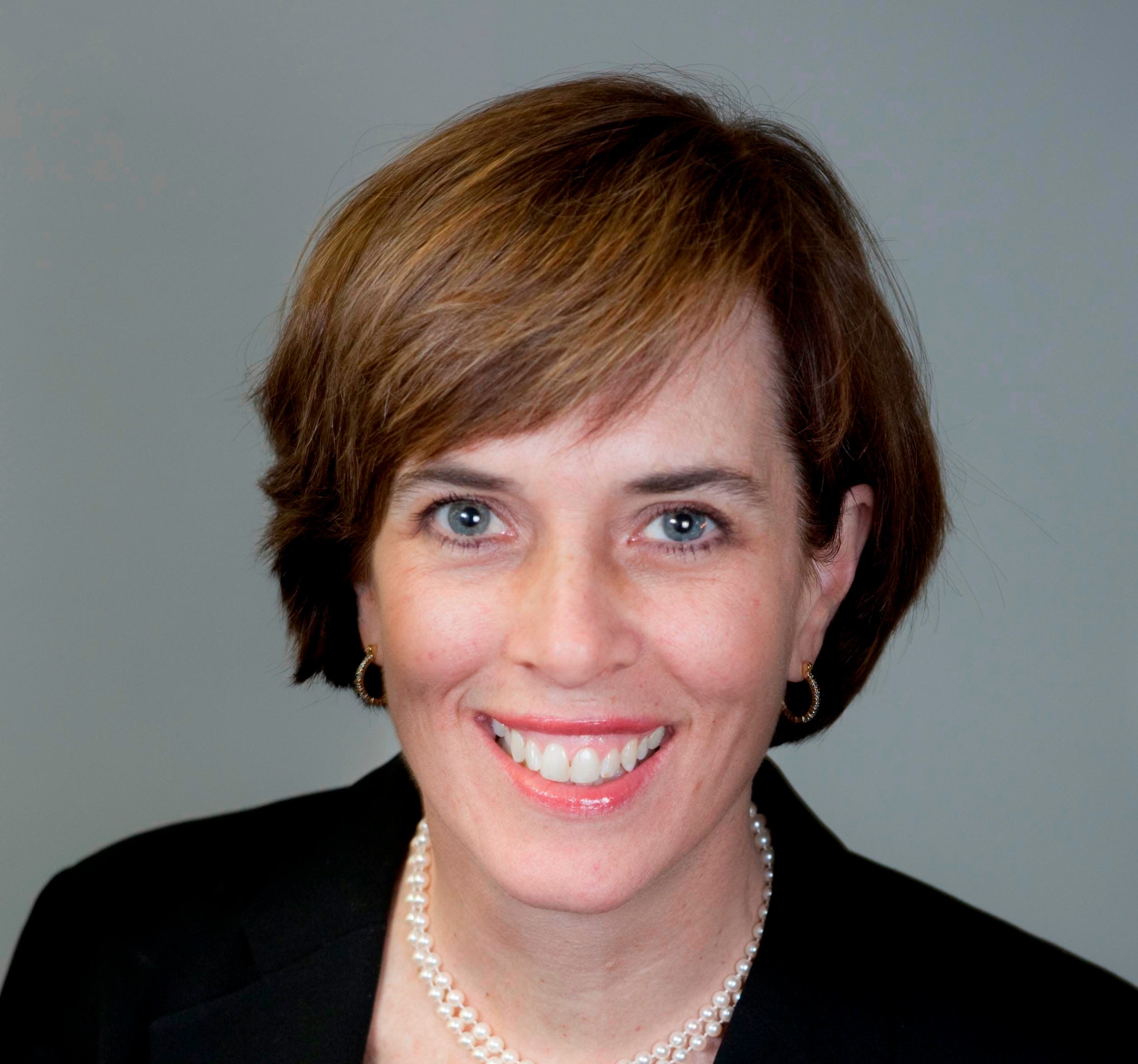
Note: The following is an op-ed piece from the office of State Senator Katherine Clark:
September is Recovery Month, a time to recognize those in our lives who have overcome substance abuse and are living healthy, productive lives. The Massachusetts Organization for Addiction Recovery (MOAR) estimates that alcoholism and other drug dependencies affect over 400,000 men and women in Massachusetts. We are all too familiar with their heartbreaking stories and the tremendous toll that addiction and substance abuse takes on too many families.
As a community, we also know that alcohol and drug abuse can lead to physical and emotional violence, homelessness and other devastating outcomes.
Find out what's happening in Lynnfieldfor free with the latest updates from Patch.
But we also know so many people – our friends, family members, neighbors, colleagues – whose lives have been saved and fundamentally transformed because of their own hard work, their will to recover, and the treatment services they received. Recovery Month recognizes the contributions of those in recovery, promotes the essential ideas that addiction services and mental health treatments are effective, and that those who need help can recover.
This month is also a time to acknowledge the caregivers throughout our district – doctors, nurses, mental health professionals, social workers, educators, family members and friends – who treat and support people as they work to achieve recovery and maintain strong mental health.
Find out what's happening in Lynnfieldfor free with the latest updates from Patch.
Even as we recognize the positive stories of recovery, we also must face the difficult truth that we are not doing enough to support them and the thousands of others in Massachusetts who are suffering and in need of addiction services. According to the most recent statistics available from the U.S. Substance Abuse and Mental Health Services Administration (SAMHSA), the number of treatment facilities in Massachusetts decreased from 352 in 2002 to 312 in 2006. SAMHSA also reports that, when compared to other states, Massachusetts consistently ranks among the highest in the country for the number of young people aged 18-25 who need treatment, but are not receiving it.
The fact is, we must do better. We need more treatment options and should expand the number of spaces available in our existing, effective programs – at all stages of recovery, both in-patient and out-patient, and across the state. And we must do this while also increasing and improving our prevention and education efforts. This will require public resources, even in a time of fiscal constraint.
Addiction is a major public health issue. We all have a stake in adequately funding services and expanding opportunities for treatment. If we don’t, we will continue to see more emergency room visits, more inpatient admissions, and ever staggering healthcare costs. Most importantly, the human costs will remain much too high: the lives lost or ruined, the opportunities wasted, the creativity and value never realized, the violence and the pain. And that is the most compelling reason to support – and celebrate – recovery.
Get more local news delivered straight to your inbox. Sign up for free Patch newsletters and alerts.