Politics & Government
Mansfield Paying Cash for Substation
Selectmen vote to pay cash for new substation.
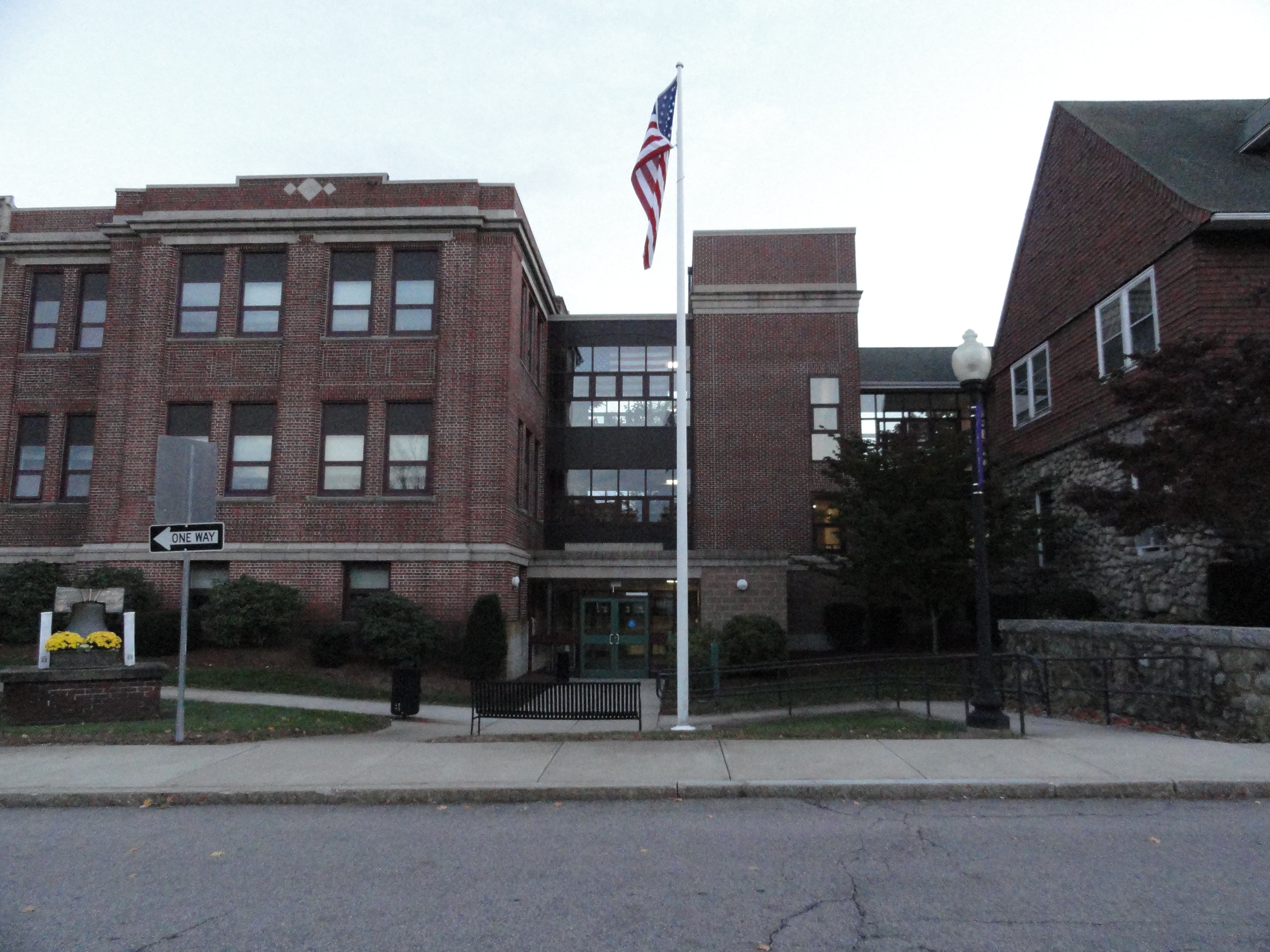
Selectmen decided to go for broke Wednesday and voted 4-1 to pay cash on the line for the town's new substation in East Mansfield.
The vote not to bond a large municipal building project is rare, and so is the amount of money the department has amassed over the years, and the board reasoned the approximately $9 million set aside in operating cash offers plenty of reserves for capital needs. The department also has accumulated another $8 million in depreciation and stabilization.
Selectmen, in their dual roles as board and light commission, wrestled with the decision while listening to two sides of the argument from finance committee member Thomas Ratliff and Mansfield Town Manager Bill Ross.
Ross had been conferring with bank consultants and had come to the conclusion that if a bank consultant, who makes money from bonding projects, was recommending the town pay cash, it had to be good advice.
"When you do borrow, you have to pay principal and interest," Ross said. "It seems to me in this economic climate and with the reserves we have, it makes sense to pay for the substation - I've given you all the information."
Ratliff noted, however, that paying only with cash reserves would use contributions gleaned from previous rate-payers.
"It's customary to borrow - the purpose of having a good credit rating is to borrow," said Ratliff. "Give it back to the rate payers, not the contractors."
He said the finance committee was recommending reserves be used to improve efficiency and reduce the need for costly manpower, and said the committee was considering a 50/50 plan, with half the money coming in cash and half from bonding.
But selectman Olivier Kozlowski noted borrowing would only be "handing it out and then taking it back in borrowing rates."
"If you have that kind of cash there is no reason to incur debt," said selectman George Dentino. "It's not a danger to us to pay. It's not like we are leaving ourselves vulnerable."
Dentino said he wondered how the department had managed to accumulate the reserves they had on hand, but Aptowitz noted the commissioners themselves had decided over past years what rates to charge.
"The board decided on the profit margin," he said. "We could be making $3 to $4 million a year, but we don't have to."
"We've been overcharging for 10 years," said Dentino.
Ross reminded the board that past investments in infrastructure had left Mansfield with lights blazing after two bad storms this summer and fall while communities all around were dark. He added debt incurred by borrowing becomes the general obligation debt of the town, and noted other municipal projects are lined up for funding.
"We are trying to look at the long term debt of the town," Ross said.
Light department head Gary Babin added, "We told people we were amassing cash to pay for the substation."
Kevin Moran also pointed out the cost of the $6.5 million substation had decreased considerably since the first estimates of about $12 million.
The board voted 4-1, with Aptowitz the lone dissenting vote, to allow payments of up to $7 million for the project.
The board also approved a previously voted rebate of $2.2 million to residential and commercial/industrial customers in January and February. The average residential customer will save about $45 a month, and an average commercial customer will see a reduction of about $6000 a month.