Sports
Local Officials Remind Safety Is First On The Water
Local officials offer advice for staying safe when boating, swimming and rowing off-shore.
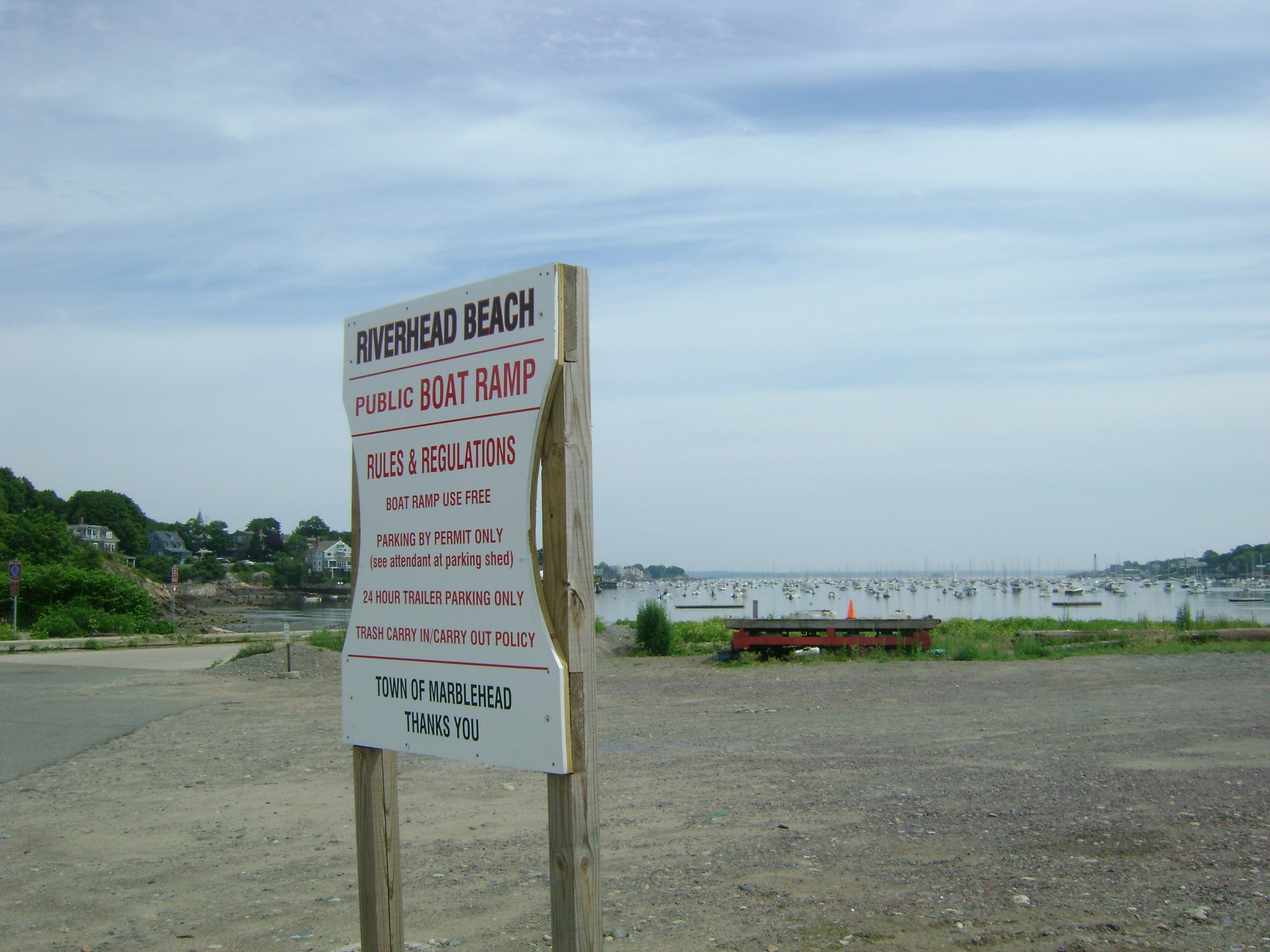


This is the season when Marbleheaders break out their beach sandals and take the winter skins off their boats. From kayakers and boaters, surfers to swimmers, anyone with a love of the water will be out on the briny.
Although many locals have spent a lifetime on the sea, for novices and young people, summer water sports can be risky without proper safety training and precautions.
Whether you're going out on the water for the first time, or it's been so many times you can't recall, here are some rules and reminders about staying safe.
Find out what's happening in Marbleheadfor free with the latest updates from Patch.
On the beach
Lifeguards are now on duty at Devereaux Beach. The town's other public beaches have no lifeguards.
Find out what's happening in Marbleheadfor free with the latest updates from Patch.
Marblehead Recreation Director Mike Lane said he hires five lifeguards for Devereaux every summer, typically college students who return each summer during their four years of school.
Lifeguards are required to have lifeguard training and certification from the American Red Cross, and also must be certified in CPR and trained to use a defibrillator (a portable defribillator is stored at Lime Rickey's).
Swimmers at Devereaux Beach should stay within the designated swimming area, marked by buoys laid out by the town harbormaster, Lane said.
But at the town's other public beaches, swimmers need to look out for themselves -- there are no lifeguards.
"There are no restrictions on swimming really at the other public beaches," Lane said. "You're basically on your own at those beaches."
On the water
Navigational skills and awareness of waterways rules are essential for staying safe when out in a powerboat or sailboat, according to Bob Cusack, staff officer for navigational systems for the U.S. Coast Guard Auxiliary, Marblehead Flotilla.
Cusack, a former commander of the Marblehead Flotilla who operates out of Nahant, said he recently completed teaching a safe boating course for 45 students at Marblehead High School.
Everyone in a boat should have taken a boating course, Cusack said.
Cusack said boaters should also have their boat safety equipment inspected annually, because saltwater can cause damage to electrical equipment that can cause it to fail.
Some other rules of thumb include the "one-third rule" for fuel -- boaters should always keep one-third of their fuel in reserve for an unexpected emergency.
Also, don't leave home without paper charts.
"All of the fancy navigation stuff you have, GPS especially, that may fail because of the saltwater," Cusack said.
Although he's been sailing these waters since 1957, Cusack still refers to paper charts when entering Salem and Marblehead harbors, with all of their hidden ledges and rocks.
"There's all sorts of bricks out there, as I jokingly call them," Cusack said. "They don't mix well with fiberglass."
Crucially, boaters should avoid using alcohol or drugs, the effects of which are amplified by the sun and the motion of the boat, Cusack said.
Intoxicated boaters can be arrested and even have their drivers licenses revoked.
Here are some of Cusack's basic rules for boating safety:
- Always wear your life jacket.
-
"Know where you're going, and tell people where you're going." (File a float plan.)
Know what the weather is going to be. If it looks like it is turning bad, head for shelter.
Don't overload the boat. Stay low when boarding and step in the center not on the rail.
If new to the sport, take a boating course. The U.S. Coast Guard Auxiliary and the U.S. Power Squadron both give these courses.
In mooring areas and harbors, no wakes and keep the speed down to 6 knots. You are responsible for damage and injuries caused by your wake.
The same applies to swimming areas.
Store fire extinguishers in a horizontal not vertical position. The pounding of the boat may compress the contents and it may not work.
Make sure you have all required safety equipment on board. Contact the local Auxiliary Flotilla or Power Squadron for a safety check.
Close all hatches etc. when fueling. When finished, open them, run the blower and stick your nose inside the cabin and also in the bilge.
Your nose is your best defense against an explosion after fueling.
Drive defensively.