Neighbor News
Tips to Prevent Common Spring Sports Injuries
By Joseph E. Sicard, PA-C, Director of Clinical Operations at CareWell Urgent Care
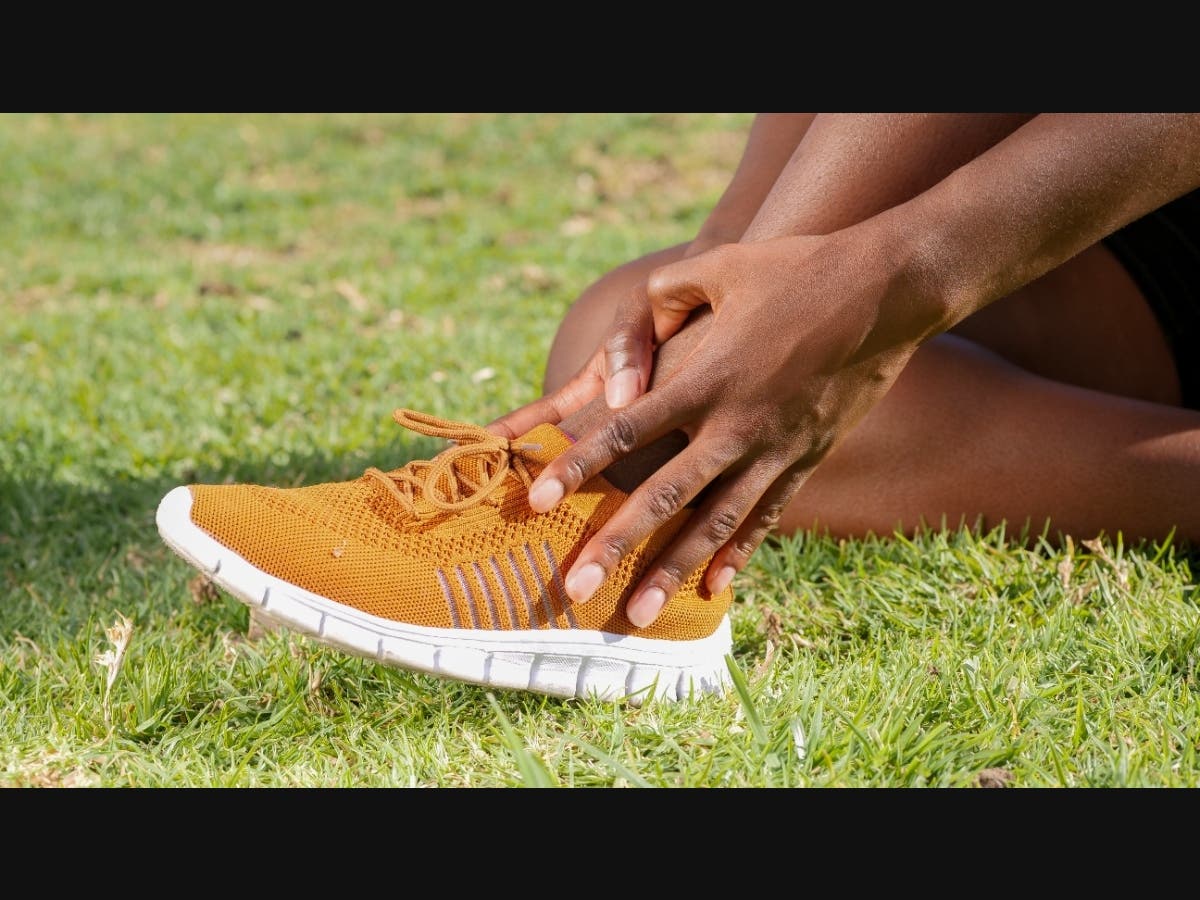
The weather is getting warmer and many people are eager to get outside and enjoy it. But if you weren’t as active as you would have liked to be during the winter, you may need to do some conditioning before jumping into spring sports.
We frequently treat ankle sprains, pulled or strained muscles, shin splints, knee injuries, and Little League/tennis/golfer’s elbow at this time of year. These injuries usually occur due to a lack of conditioning of the muscles and joints.
The National Safety Council reviewed U.S. Consumer Product Safety Commission data on emergency department (ED) visits due to sports injuries in 2020 and found that more than 70,000 people sought treatment for injuries suffered on the baseball or softball field, more than 53,000 people sought treatment for golf injuries, and more than 16,000 people sought treatment for injuries suffered while playing racquet sports like tennis, and more than 10,000 people sought treatment for track and field injuries. It’s important to note that ED visits decreased in 2020 because of stay-at-home restrictions put in place at the start of the pandemic. Injuries are on the rise once again as people return to outdoor recreation and sports.
Find out what's happening in Marlboroughfor free with the latest updates from Patch.
The good news is many injuries are preventable if you work gradually to return to playing shape. Be sure to stretch before and after you play sports or exercise and drink plenty of water to stay hydrated. It’s also important to learn proper techniques and use protective equipment that is in good condition.
If you are injured, stop what you are doing right away. Continuing to play could cause more harm. Most minor injuries can be treated at home. Doctors typically recommend the R.I.C.E. method to treat strains, sprains, bruises, and other soft tissue injuries. R.I.C.E. stands for rest, ice, compression, and elevation and is most effective in the first 24 to 48 hours after an injury.
Find out what's happening in Marlboroughfor free with the latest updates from Patch.
- Rest: Avoid moving the injured area and try to keep weight off it for at least a couple of days. Splits, braces, canes, and crutches are useful tools.
- Ice: Place an ice pack on the injured area for 20 minutes, four to eight times daily. This will help reduce swelling and is especially important the first three days after the injury.
- Compression: Wrap the injured area in a bandage. The bandage will keep pressure on the injury to help with swelling and provide extra support. You should wrap it tightly, but not so tight that it cuts off circulation.
- Elevation: Prop up the injured area for 2-3 hours a day to reduce swelling and bruising.
Recovery from most minor injuries should only take a few days. You can also take over-the-counter pain medications. Aspirin and ibuprofen work to reduce pain and swelling. Acetaminophen will provide pain relief.
See a doctor as soon as possible if you are experiencing severe pain, swelling, or numbness/tingling; can’t bear weight on the injured area; have a joint or bone that is clearly broken, dislocated, or deformed; have suffered a head injury (especially one involving loss of consciousness, disorientation or confusion); or have re-aggravated an old injury.
If you suffer an injury that requires immediate care, the providers at CareWell Urgent Care are available to diagnose and treat your injury seven days a week, without an appointment. CareWell clinics offer on-site x-rays and see patients of all ages, including pediatrics. CareWell will get you fixed up and on the road to recovery so you can get back to doing what you love to do.