Health & Fitness
Going Pro(biotic): A Journey into Unknown Territory
Yogurt, kefir, sauerkraut, kimchee, pickles, miso soup, natto, tempeh and micro-algae like spirulina all contain probiotics. Oh, and did I mention dark chocolate?


A few years back a friend up in Aquinnah gave me a drink of kombucha, a fermented tea. It tasted like vinegar with flavoring, and the one she gave me to try was raspberry. Hmmmm. I liked it. Soon I started buying kombucha at Cronig’s or anywhere they carried it. It was new and different and the thing was, it was probiotic. In addition to being exotic and tasty, it had health benefits. Probiotics can improve the health of the digestive tract by encouraging the growth of bacteria we need to turn food into energy. Probiotics also can strengthen the immune system, with this one caution: people with suppressed immune systems, due to disease or treatment for a disease such as cancer chemotherapy, should not consume probiotics without talking to their doctors, as it may actually be counterproductive to health in that situation.
Yogurt, kefir, sauerkraut, kimchee, pickles, miso soup, natto, tempeh and micro-algae like spirulina all contain probiotics. Oh, and did I mention dark chocolate? Loaded with probiotics, dark chocolate actually contains perhaps 5 times the probiotics of yogurt and kefir.
Making kombucha turned into a fun summer project. From my friend in Aquinnah, I got a kombucha mushroom, also called a SCOBY (Symbiotic Culture of Bacteria and Yeast) or a yeast mother. It looked very strange, like a round, flat pancake of rubbery gel, sort of like a breast implant or a jellyfish or something, trailing tentacles of yeasty, bacterial life. The SCOBY is how sugary tea ferments into probiotic-rich kombucha. Bacteria consume the sugar and make a fermentation happen over the course of a week to ten days. Then, presto! You have kombucha to bottle and another batch to start, and maybe the yeast mother has generated a baby that you can give to someone else for their probiotic chemistry experiment.
Find out what's happening in Martha's Vineyardfor free with the latest updates from Patch.
I felt so guilty when I just didn’t want to make kombucha anymore.
Now I had this mother and a baby and, well, what to do with it? Nobody I knew was interested. I was all dressed up with nowhere to go. If I flushed it, would it take over my septic system with hundreds and thousands of hungry kombucha mushrooms blooming? I had one nightmare about this enormous SCOBY coming up out of the toilet during the dark of night and eating the house, furniture and all. It ate my shoes. It started nibbling on my toes. And then I woke to find my German shepherd, well, you get the idea. What to do?
Find out what's happening in Martha's Vineyardfor free with the latest updates from Patch.
Besides, it was this two-week ordeal of checking out the huge glass jar every day to see if bugs had gotten in after the sugar. I suppose they drowned in ecstacy, but I had to fish them out with a long-handled spoon, fruit flies and ants and other creepy-crawly creatures I didn’t know the names of.
So I bid good bye to kombucha and my SCOBY family and moved on.
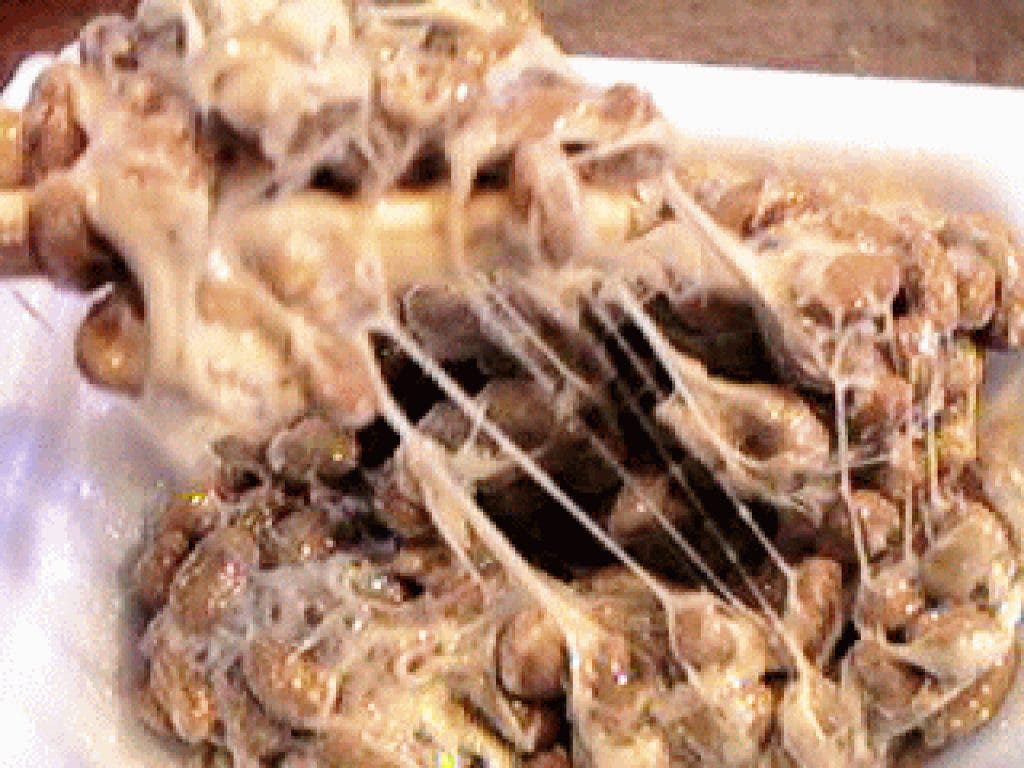
Next up was natto. I’ll be brief here because natto isn’t very popular, though I love it. It’s a fermented soybean concoction that you can find in sushi restaurants, especially good if you want to gross someone out. It is sticky and has lots of thin spider-webby tendrils trailing when you lift a fork of it toward your mouth. Very earthy stuff. I learned to make natto using a bacillus you can get on the Web, but it has this in common with kombucha: once you get started, it’s work, real work, although maybe it’s worth it to you. That’s a personal choice.
More recently I learned about water kefir. This is also a probiotic bacterial culture that consumes sugar and ferments, but it’s simple to make and takes about a day or two to create the fermented probiotic liquid. You can also use kefir grains to make yogurty things, but I am mostly vegan for the past two years, so milk, cheese and yogurt are out of my scope of interest.
Water kefir is a fizzy probiotic drink that you can make a flavor with just about any fruit or root. You start with just a handful of dried water kefir grains. I’ve enjoyed making coconut water kefir and water kefir with maple syrup to feed the kefir grains. People make ginger ale with ginger root, raspberry, strawberry, you-name-it-berry water kefir. It’s wide open.
And the best part is it takes only two days.
However, my latest discovery in probiotic land is sourdough. Turns out you can culture sourdough with a couple of tablespoons of water kefir, just as well as the yeast cultures you buy. And there are dozens of things you can make with a sourdough culture – lots of different breads, pancakes, and crackers – once you get it started.
Today I baked my first loaf of sourdough bread. I made a gluten-free bread from a teff starter culture. Teff is an Ethiopian grain that is so tiny, tinier than quinoa, that the word teff means “lost.” Like quinoa, teff is actually a grass, and like quinoa it is rich in protein. Teff is an important food grain in Ethiopia and Eritrea, where it is used to make a sourdough flatbread called injera.
Anyway, teff is gluten-free, and I thought I’d try to make a bread with it, so I scanned YouTube and found an instruction video on sourdough starter culture using teff. Then I pieced together a sourdough bread recipe from a dozen or so sources on the Web, and this morning I baked my first bread of any kind, ever. The result in in the pictures above. Really not bad for a beginner…
I think I’ll try it again, now that I’ve gone pro. Pro(biotic), that is.