Health & Fitness
Island natives
Being an island native versus a transplant is a hot-button topic for humans, but what about plant life?
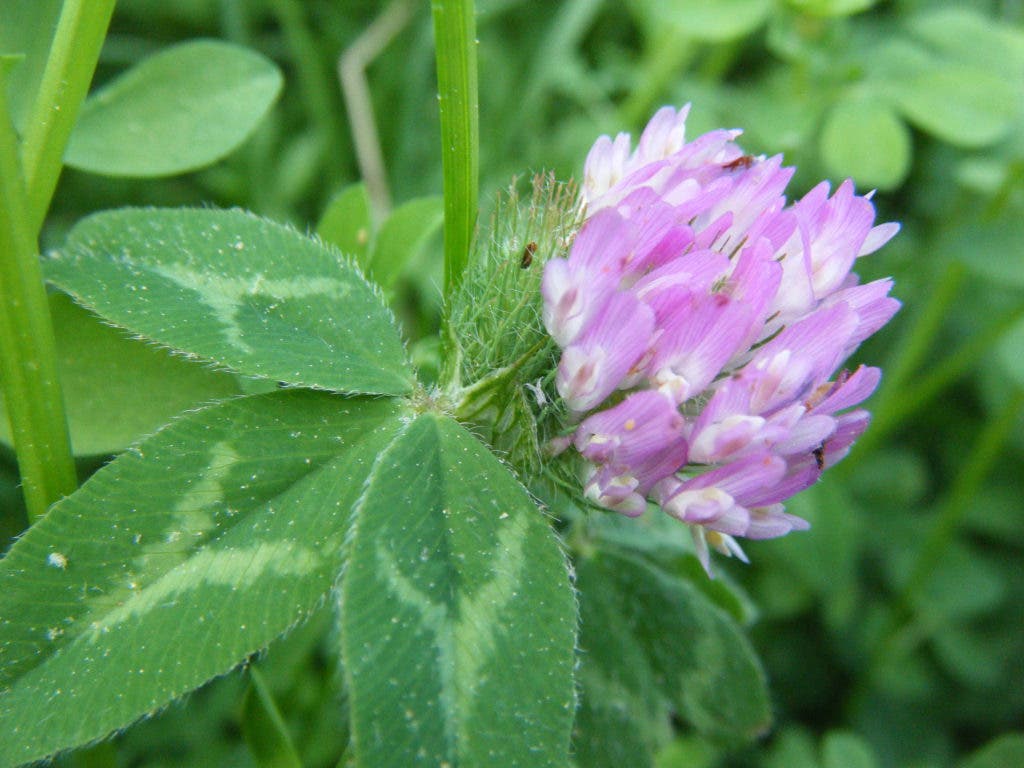


When I think of modern America, I think of suburbia at sunset; sprinklers on dense, green lawns; neatly clipped boxwood hedges and the occasional rose bush, well-kept, perhaps, by an elderly neighbor in a wide-brimmed straw hat. People here, too, fight the "good fight" against the ferns and mosses that creep up in their little squares of grass. Its the time of year where six and seven o'clock in the evening means a call and response of mowers, chippers and weed whackers all across the island, breaking the peaceful tranquility and silence with peoples' good-natured attempts at the lush lawns advertised on the fertilizer bag. But is it really the good fight when you're attempting to manicure and proliferate a non-native plant, while hacking back and chopping down the native island species?
On this island, where you're from can be a big deal. Even if you've moved here and lived happily on island for many decades, some people will still call you a wash-ashore, a name with many mixed meanings, long into your golden years. Native islanders jealously guard their favorite hideouts and hiking spots, while happy vacationers multiply in numbers and begin to cover the landscape like an overzealous Wisteria. The same thing happens, each year with native island plant species and the encroaching transplants. We try and plant tulips, and instead we get wild onion and garlic mustard. The island simply wants what it wants.
At first, I was a little surprised by the little carpet of varied mosses that tends to creep up the lawn and give the grass a sort of shades of green, variegated look. The little tendrils of ferns that pop up at the edge of the treeline seemed unkempt, and they are . . . because these are naturally occurring plant species need no encouragement or help to grow. If you decide, and I hope you do, to stop fighting the natural processes at work here on the island, you may find many pleasing, sometimes even flowering plants will pop up in your lawn. With no help from me, Sandplain blue-eyed grass, Butterfly weed and Birdsfoot Trefoil have begun to crop up on my grassy hillside. If I mowed it down, if I weeded it out, if I interfered in anyway, all of this natural beauty would be gone. Instead, my patience and ability to sit on my hands and wait and watch is rewarded with a rainbow of colors and a parade of petals.
Find out what's happening in Martha's Vineyardfor free with the latest updates from Patch.
Even the lowliest of lichens, that particular minty green color that tinges so many of the picturesque and quintessential Chilmark stone walls, has become beloved by me. After all, it was here long before me and it will remain here long after I am gone. And it is one of the ways we can identify the true island features versus the modern, landscaped rock walls that homeowners sometimes erect to mimic the ancient walls of yore. Look closely: if it hasn't got that minty green moss, it's about as new around here as you and me.