Community Corner
Getting on with a Life Forever Changed
When the Twin Towers fell, Navy SEAL Tom Rancich was, arguably, one of the few people in America with a complete understanding of the situation. Today, he's still trying to make sense of it all.

Tom Rancich, a newly-minted graduate of Syracuse University sporting a degree in English Literature, had career decisions to make. “I didn't join the Navy because I was a patriot. I had a 2.2 GPA and I sure wasn't looking forward to a construction job,” he said.
He didn't know that 17 years later he would be a Navy SEAL special ops officer, leading people into danger in South America, Iraq and Afghanistan .
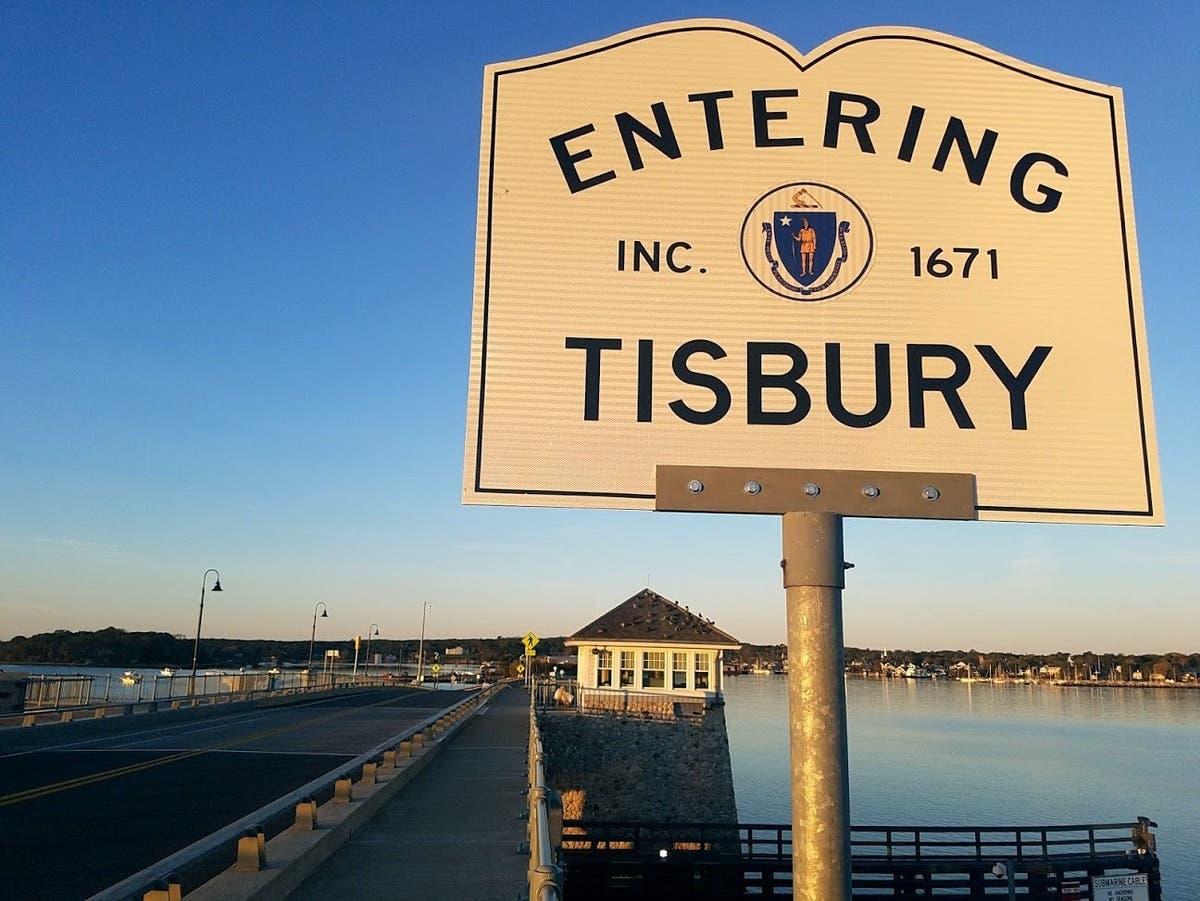
“I moved to the Vineyard on August 29, 2001 to begin a final duty tour with a Navy warfare think tank at the Newport [Rhode Island] naval center. On August 7, I bought a boat. On August 10, I bought $500 worth of fishing gear,” he said, sitting on his deck in West Tisbury just weeks before the 10th anniversary of September 11.
When the Twin Towers fell, Rancich was, arguably, one of the few people in America with a complete understanding of the situation. Defending against terrorism was his job. He knew what and where threats were. Defense strategists assess risks by priority. “We knew that commercial airlines were a potential threat that could only be used once,” he said.
Rancich called the office. His commanders told him to stand by. “I did think about throwing boots and fatigues in a bag and going to New York to help out,” he said.
In 2003, he led the first team of SEALs into Iraq to help secure the pipelines. “The risk was that the harbor would be polluted and the seawater de-salination plants would go offline. Then everybody would get very thirsty,” he said. Later, he would go into Afghanistan in support of ground operations by other U.S. military forces.
Rancich loves combat. He co-founded VRhabilis in 2007, a firm that specializes in removal of ordnance bombs. VRhabilis workers have spent a lot of time in 30 to 60 feet off water off South Beach, finding and removing World War II ordnance from when the Island was used as a training ground. To date, they have recovered 114 pieces.
Rancich reflects his training and his intellect. He answers every question, sprinkling humor and irony. He calmly describes life or death operations without exaggeration. The only evidence of a ruffled interior life is a habit of continually folding and wrapping a napkin in his hands.
In fact, he Rancich was recommended for this report by other Island veterans, who described him as a man getting on with a life forever changed. "Will I ever be totally happy? Yes, I think I will be. I'm happy now, in fact,” he grins as his girlfriend joins him on the deck.
As for how the country is getting on 10 years after September 11, the answer is not so precise. The $30 billion spent on homeland security measures in the past 10 years would have been better spent on the homeland education system, he said. “One percent of the world population seeks to injure us. We have a military force that can handle that.
“Ten years later we call it 'The Day That Changed America Forever.' I dislike that. America has made a lot of changes—the Patriot Act and enhancing security. My basic instinct says that was a horrible idea. That day should be remembered, but I wish wish we were as resolute about caring for the other 99 percent. September 11 was a psych ops. The response is to bolster your own psychological strength. We didn't do that,” he said.
Like many of his peers, he meets with veterans in a PTSD group on-Island to reconcile the warrior life with civilian living. He has little to say about lack of gratitude or understanding by the civilian community of his warrior days. As if they are different worlds. The world of combat is small, he explains. “When you are in the shit, you care only about doing your job and protecting the man to your left and the man to your right.”
Asked whether Americans today deserve America, he said, “I don't know. I really don”t know the answer to that. 'Honoring' is not a word commonly used here anymore. I love [war] protestors, though. If I'm to die for your right to speak, at least you should speak up,” he said
“Right now, there's a 19-year-old kid in a Humvee on patrol in Afghanistan and only his mother give a [word deleted] that he's out there. We are shocked at the loss of a team, but not the four or five killed every day."