Health & Fitness
Three Helpful E-Resources for Coping with Recent Bombings, Plant Explosion
On-line resources for coping with disasters, violence, and traumatic events are available free through the U.S. National Library of Medicine and other agencies.
Traumatic events – like the bombings in Boston and the plant explosion in West, Texas – can trigger a range of emotional and physical responses, from dread, unease, and worry to headaches, heart palpitations, and overuse of drugs, alcohol, and food.
Round-the-clock media coverage can heighten the response and affect adults and children living halfway around the world. Thankfully, there are a number of online resources available that offer guidance and information on ways to cope. Here are three that may be useful to you or someone you know.
Find out what's happening in Natickfor free with the latest updates from Patch.
Resource #1 -- 24/7 Disaster Distress Counseling
The Disaster Distress Helpline, (http://www.disasterdistress.samhsa.gov) operated by the U.S. Department of Health and Human Services, offers round-the-clock crisis counseling to anyone experiencing distress related to natural or man-made disasters.
Find out what's happening in Natickfor free with the latest updates from Patch.
Phone: Call 1-800-985-5990 TTY for Deaf/Hearing Impaired: 1-800-846-8517
Text: send “TalkWithUs” to 66746
On this site, you’ll also find:
- Warning signs among adults, children, and teens (http://www.disasterdistress.samhsa.gov/warning-signs.aspx)
- Resources for educators (http://www.disasterdistress.samhsa.gov/educators.aspx)
- Tips for coping before, during, and after a disaster (http://www.disasterdistress.samhsa.gov/coping-tips.aspx)
Resource #2 – Literature, Training, and Apps for Coping with Disasters, Violence, and Traumatic Events
The Disaster Information Research Center of the U.S. National Library of Medicine (http://disasterinfo.nlm.nih.gov/dimrc/coping.html#a9) is a repository of authoritative resources relevant to:
- Members of the public affected directly or indirectly by traumatic events
- Educators, parents, and others working with children and teens
- Emergency responders, healthcare workers, and volunteers
- Veterans
Topics include:
- Intervention and treatment
- Mental health and emotional response to traumatic events
- Pre-existing behavioral health and mental health conditions
- Substance abuse issues
- Tips for responders, healthcare workers, and volunteers
- Training courses, apps, and instructional materials for responders
Resource #3 – Guidance for Helping Children and Teens
The National Child and Traumatic Stress Network (http://www.nctsn.org/) provides resources for a variety of trauma types with links for parents/caregivers, medical professionals, military families, the media, and Spanish-speakers.
“Resources in Response to the Terrorism” (http://www.nctsn.org/trauma-types/terrorism) includes tip-sheets with helpful at-a-glance grids that identify behaviors exhibited by children and teens (e.g., sleep problems, retelling the event) and that offer specific examples of what adults can say and do in response.
We hope you find these resources useful.
Of course, if you or a loved one (including a child) is experiencing symptoms of emotional distress in relation to traumatic events, please consult a medical doctor or mental-health professional.
About the U.S. National Library of Medicine (NLM)
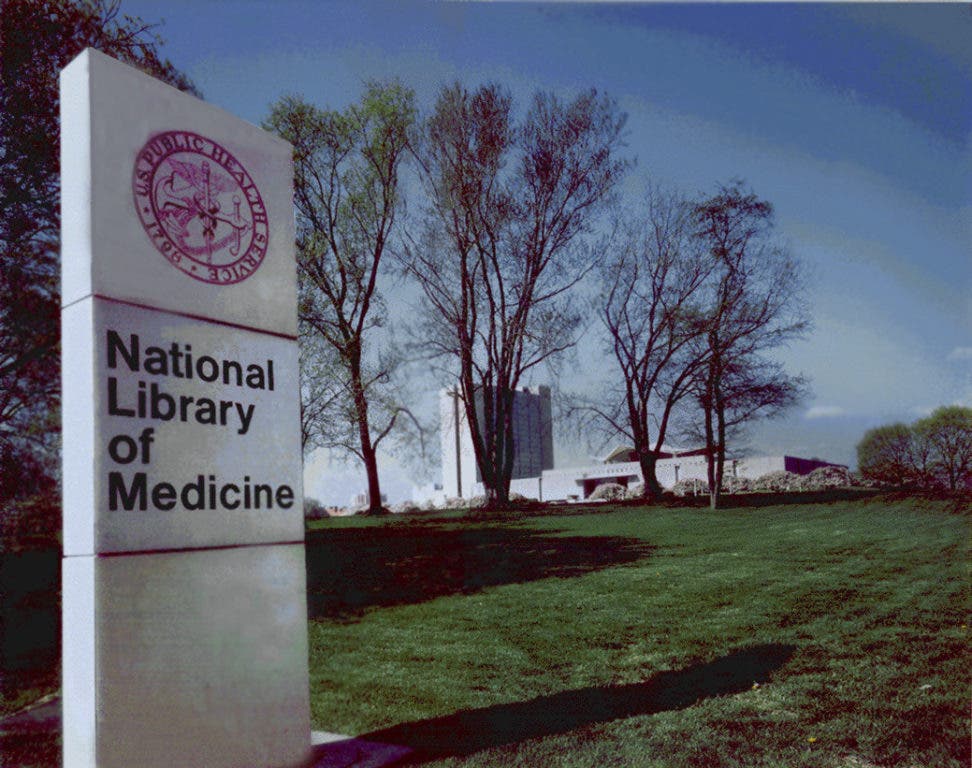
The NLM (http://www.nlm.nih.gov/nlmhome.html) located on the campus of the National Institutes of Health in Bethesda, Maryland, is the world’s largest biomedical library. The NLM maintains and makes available a vast print collection and produces electronic information resources on a wide range of topics that are searched billions of times each year by millions of people around the globe.
About the National Child and Traumatic Stress Network (NCTSN)
The NCTSN (http://www.nctsn.org/) works to raise the standard of care and improve access to services for traumatized children, their families, and communities throughout the United States. The organization is funded by the U.S. Department of Health and Human Services and is coordinated jointly by UCLA and Duke University.