Neighbor News
Scammers Are Getting Better at Looking Legitimate. Here’s How to Protect Yourself.
Scammers are getting harder to spot. Learn how to verify messages, avoid common traps, and protect yourself and your community.

Scams are becoming harder to recognize, and the old warning signs are not always enough.
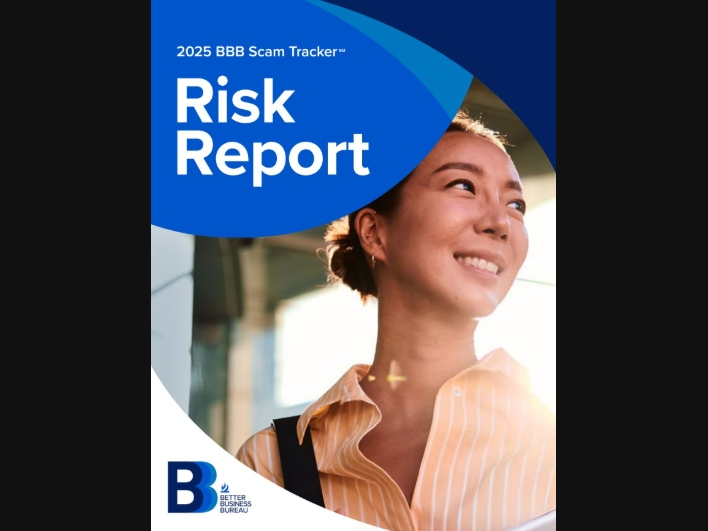
The 2025 BBB Scam Tracker Risk Report highlights how scammers continue to evolve their tactics, using text messages, fake job opportunities, familiar company names, convincing websites and increasingly sophisticated technology to gain consumers’ trust.
For families and businesses across Eastern New England, one of the most important lessons is simple:
Find out what's happening in Natickfor free with the latest updates from Patch.
Don’t just ask, “Does this look real?” Ask, “Can I verify that it is real?”
Familiar Names Can Create a False Sense of Trust
Scammers often impersonate well-known companies because consumers already recognize and trust those brands.
Find out what's happening in Natickfor free with the latest updates from Patch.
A message may appear to come from a retailer, financial institution, delivery company, employer or government agency. It may include a familiar logo, professional language and a link that looks legitimate.
That is why appearance alone is no longer enough.
If you receive an unexpected message asking you to click a link, provide personal information, send money or act immediately, stop before responding.
Go directly to the organization’s official website. Find the phone number independently. Log into your account through the company’s website or app instead of clicking the link in the message.
A few extra seconds of verification can make a significant difference.
Text Messages Deserve Extra Caution
Text messaging is becoming an increasingly common way for scammers to reach consumers.
The message may claim there is a problem with a package, an unpaid toll, a suspicious charge, a job opportunity or another urgent situation.
The goal is often the same: create enough urgency that you react before you have time to think.
If a message pressures you to act immediately, that should be a reason to slow down—not speed up.
Job Seekers Should Be Especially Careful
Employment scams remain a significant concern.
Scammers may pose as recruiters or employers, conduct online interviews and even use legitimate company names and logos.
Job seekers should independently verify that a position is actually listed on the company’s official website and confirm that the person contacting them works for the organization.
A legitimate employer should not require you to send money in order to earn money.
Be especially cautious if someone asks you to pay for equipment, deposit a check and send money elsewhere, purchase gift cards or provide sensitive financial information early in the hiring process.
Technology Is Making Scams More Convincing
Artificial intelligence and other digital tools can make fraudulent messages, websites and identities look increasingly professional.
That means some traditional warning signs—poor grammar, awkward wording or obviously fake images—may no longer be present.
Consumers should focus less on whether something looks legitimate and more on whether it can be independently confirmed.
There Is No Reason to Be Embarrassed
One of the most important conversations we can have about scams is what happens after someone encounters one.
Scammers are skilled at manipulating urgency, fear, excitement, trust and opportunity. Anyone can receive the right message at the wrong moment.
If you encounter a scam—or realize you have responded to one—report it.
Embarrassment and shame can keep people quiet, but sharing what happened may help protect a neighbor, friend, family member or coworker from becoming the next target.
Instead of asking, “How could someone fall for that?”
We should ask, “What tactic did the scammer use, and how can we help prevent it from working again?”
A Few Simple Steps Can Help Protect You
Before responding to an unexpected message:
- Pause when someone creates urgency.
- Do not click unexpected links.
- Verify the sender independently.
- Go directly to the company’s official website.
- Never send money simply because someone demands immediate payment.
- Talk with someone you trust if you are uncertain.
- Report suspicious activity so others can be warned.
Trust remains one of the most valuable parts of our marketplace.
But today, trust also needs to be verified and protected.
BBB Eastern New England encourages consumers to stay informed, ask questions and report suspected scams. Consumers can research businesses and find scam-prevention resources at BBB.com, and suspected scams can be reported through BBB Scam Tracker at BBB.com/ScamTracker.
Paula Fleming is Chief Marketing & Sales Officer at BBB Eastern New England.