Health & Fitness
Grow Something This Year!
Brief article on the care and keeping of a tomato plant, either in-ground style gardening or containerized gardening for patios or porches.
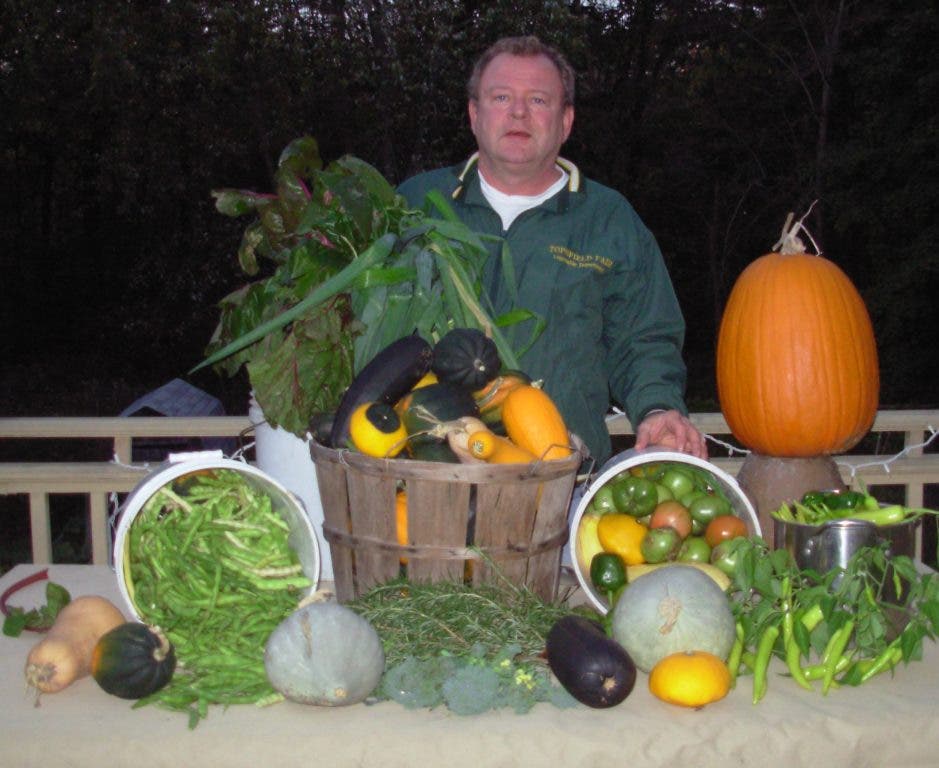
Plant Something This Year!
By Hugo Wiberg, Green Bean Professional
Each year as Spring rolls around (finally!), a lot of us get the “itch” to plant something. No matter where you are, you can plant something that you will enjoy all Spring and Summer. If you cannot plant something in the ground for any reason, you can still plant something outside, even if it’s just a large pot out on the porch or deck! As we go along, I will try to address both methods of outdoor growing.
Find out what's happening in North Readingfor free with the latest updates from Patch.
My preference is to grow tomatoes. You may want to grow flowers, for landscaping beauty or to provide cut flowers for your table. A third option is to grow your own herbs. Nothing could be fresher and you avoid buying too much at once and watch it go bad in the refrigerator! Just snip enough for today’s recipe. (Did you know dried dill costs over $100.00 a pound?! Do the math!)
I like to say that my world turns grey the day after I eat my last garden tomato. It stays that way through the season of grimy snow banks and deep puddles until once again, about the 4th of July, I can start to eat fresh tomatoes with my own basil again!
Find out what's happening in North Readingfor free with the latest updates from Patch.
Your biggest opportunity of the year for great results is in soil preparation before planting. Adding fertilizer to some dirt won’t work. Soil preparation consists of adding organic material to the soil. This allows for healthy root development and plant nutrition. Compost and certain manures are best but in a pinch, last year’s leaves and untreated grass clippings are a low budget option. If you’re going to invest in this project, then peat moss, dried, bagged manure and bone meal are needed. They give the soil drainage (roots need air!) and the three basic elements of nutrition: nitrogen, phosphorous and potassium. Fertilizer will be helpful at transplanting and during the year but is not as important now.
To ensure proper drainage in the ground, you need to dig down two shovel-blades deep and add generous amounts of organic matter. If you are planting in a container, I suggest at least a 5 gallon pail-size container. This allows for adequate root growth and helps prevent plant stress from drying out quickly. Line the bottom with golf ball size and smaller stones. Any dark looking soil will work if you add adequate organic material as you fill the container. Sandy soil should be avoided. The least expensive bag of potting soil is a good alternative but still add some more organic material. Fill up to three inches from the rim. A store-bought planter will have drainage but a five gallon pail needs at least six holes in the sides, about an inch or so from the bottom, using a hammer and a nail or a drill.
Your best chance for success in our short growing season is to use plants from the store that are in 4 or 6-in. pots. Dampen the soil in the container and the plant’s pot before transplanting. For tomatoes, pinch off the lowest set of leaves to plant the stem as deep as possible. That part will become part of the root system! Also choose a “patio” variety.
May 13th, the Friends of the Council on Aging had a “Free Tomato Plant” night. We started 27 Patio and Cherry tomato plants with people!
I have a website, startmyveggiegarden.com, that may have some suggestions for you as you go along. I just posted the “7 Tips for Growing Tomatoes in Containers” we handed out that night. If you do not see an answer to any questions and can’t find it on the Internet, feel free to contact me through the website. Weed ‘em and Reap!