Crime & Safety
NPD Releases Hurricane Preparation Tips
Norton Police Department is urging residents to stay off the road on Sunday.


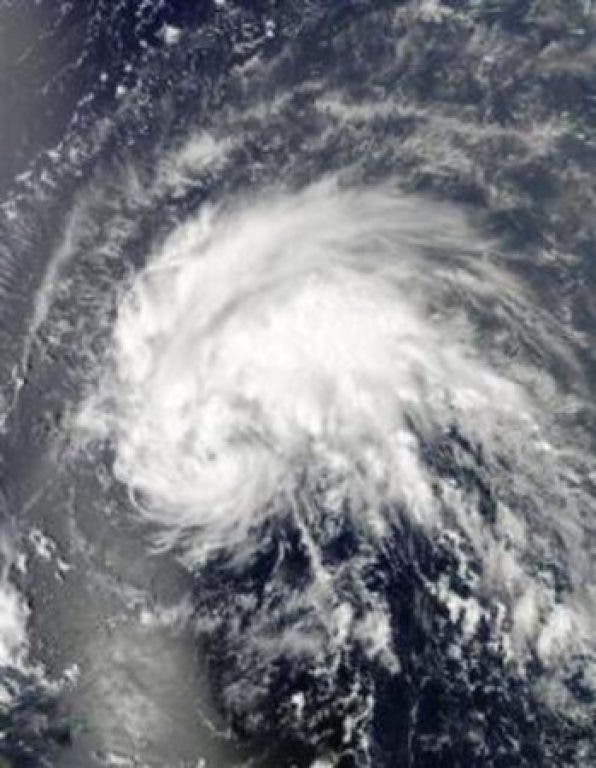
is urging residents to stay off the road on Sunday due to the likelihood of strong winds causing fallen trees and utility lines. This will make driving dangerous. All preparations for the storm should be completed by Saturday evening.
Every home and business should have a stocked basic emergency supply kit that could be used for any emergency, regardless of the time of year. Everyone should keep certain items around the house and workplace in the event you are isolated for three to five days without power.
Each kit will be unique to each family, but should include the essentials: a portable radio, flashlight, extra batteries, a supply of non-perishable foods, along with bottled water, a first aid kit, and extra prescription medication, if necessary.
Find out what's happening in Nortonfor free with the latest updates from Patch.
All families should develop a family emergency communication plan to help ensure everyone is safe. You should contact your local authorities to learn about your community’s potential evacuation routes and the location of emergency shelters.
Tips to Protect your Home From Hurricanes
Find out what's happening in Nortonfor free with the latest updates from Patch.
* Make a record of your personal property.
* Keep an itemized list of your furniture, clothing and valuables to assist adjusters in case of a claim. Back it up with photographs or video.
* Protect your insurance policies and other important documents in a secure place like a safe deposit box or a watertight box. Many people back up important documents online.
* Keep trees and shrubbery around your home trimmed. Remove diseased or damaged tree limbs that could be blown down, causing damage, during a storm.
* Clear clogged rain gutters. Hurricanes/tropical storms often bring torrential rain. Providing clear drainage will help prevent misdirected flooding.
* Make sure storage sheds, children’s playhouses or other outbuildings are securely anchored, either to a permanent foundation or with straps and ground anchors.
* Make temporary plywood covers to protect windows and sliding doors. Drill holes for screws or lag bolts in each cover and around each window. To save time, use a numbering or lettering system that shows which cover goes with which window. Store the mounting screws or lag bolts with the covers in a place where they are readily accessible. Note: Taping of windows does not prevent them from breaking.
* Make a list of outdoor items to bring inside in case of a storm, such as lawn furniture, trash barrels, hanging plants, toys and awnings. A list will help you more quickly identify anything that can be broken or picked up by strong winds and used as a missile.
* Learn where gas pilots and water mains are located and how to safely shut off all utilities.
* Lock doors and windows to ensure that they are closed tight to help protect against strong winds and rain.
Power Outage Safety Tips
* Check flashlights and portable radios to ensure that they are working, and you have extra batteries on hand. A radio is an important source of critical weather and emergency information during a storm.
* If your water supply could be affected by a power outage (a well-water pump system), fill your bathtub and spare containers with water. Water in the bathtub should be used for sanitation purposes only, not as drinking water. Pouring a pail of water from the tub directly into the bowl can flush a toilet.
* Set your refrigerator and freezer to their coldest settings (remember to reset them back to normal once power is restored). During an outage, do not open the refrigerator or freezer door unnecessarily. Food can stay cold in a full refrigerator for up to 24 hours, and in a well-packed freezer for 48 hours (24 hours if it is half-packed).
* If you have medication that requires refrigeration, check with your pharmacist for guidance on proper storage during an extended outage.
* Follow the manufacturer’s instructions and guidelines when using a generator. Always use outdoors, away from windows and doors. Carbon Monoxide fumes are odorless and can quickly accumulate indoors. Never try to power your house by plugging the generator directly into household wiring, a practice known as “backfeeding.” This is extremely dangerous and presents an electrocution risk to utility workers and neighbors served by the same utility transformer. It also bypasses some of the built-in household circuit protection devices.
* In order to protect against possible voltage irregularities that can occur when power is restored, you should unplug all sensitive electronic equipment, including TVs, computers, stereo, DVR, VCR, microwave oven, cordless telephone, answering machine and garage door opener (review the process for manually operating your electric garage door).
* Be extra cautious when you go outside to inspect for damage after a storm. Downed or hanging electrical wires can be hidden by trees or debris, and could be live. Never attempt to touch or move downed lines, and keep children and pets away from them. Do not touch anything power lines are touching, such as tree branches or fences. Always assume a downed line is a live line. Call your utility company to report any outage-related problem.
Numbers to Keep Handy in Hurricane
- : 508-285-3300
- : 508-285-0248
- Norton Emergency Management Agency (NEMA)- 508-285-0240
- National Grid: 1-800-465-1212
- Comcast: 1-800-266-2278
All emergency situations, however, residents should not hesitate to call 9-1-1.
Get more local news delivered straight to your inbox. Sign up for free Patch newsletters and alerts.