Arts & Entertainment
IMAGE GALLERY: Historical Society Shows "Common Threads" in Quilting
Two-day quilting exhibit showcased historical quilts with Keepsake Quilters' winners.
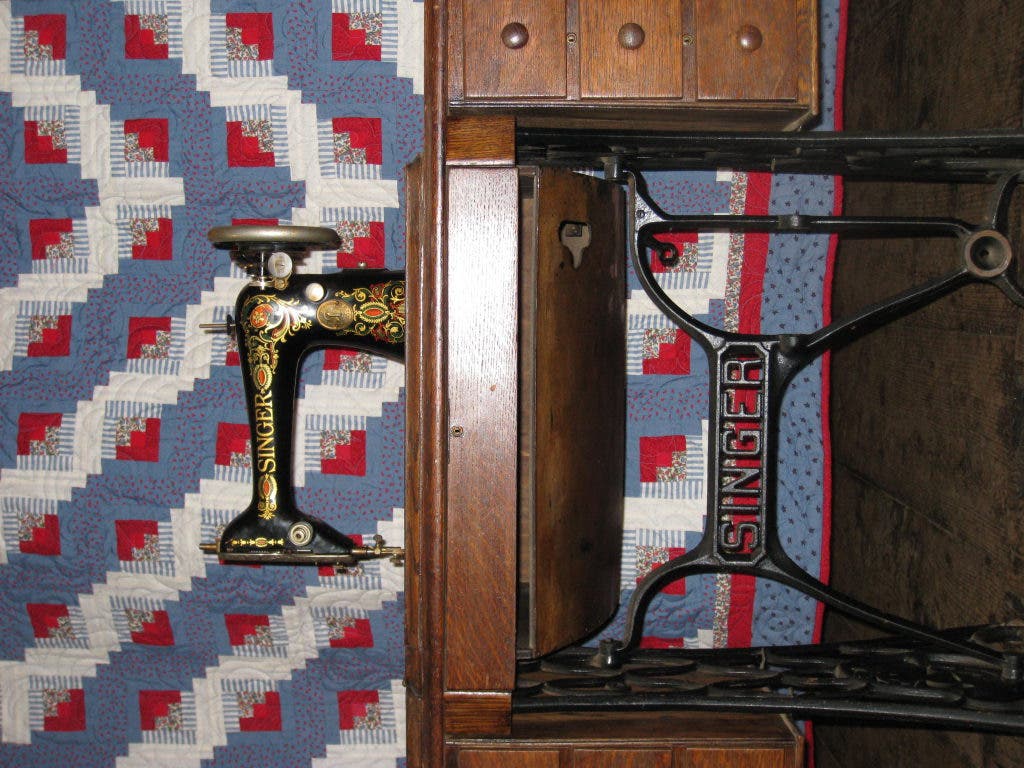


What started as a necessity for using scraps of fabric sewn together for extra warmth has been transformed to a vibrant art form that was celebrated this weekend through "Common Threads, A Celebration of Quilts and Community," by the Peabody Historical Society.
The two-day event showcased quilts from the early 1800s and 1900s, part of the museums collection, and displayed the first and second place winners from the Keepsake Quilting Quilt Challenges.
Twice a year Keepsake Quilting of Center Harbor, N.H., sponsors the Keepsake Quilting Challenge. The challenges, which are always changing, require the quilters to use a quarter-yard grouping of six printed fabrics specially chosen for the challenge. The quilt design can be original or traditional, must be 30” by 30” and contain at least four of the challenge fabrics and two original fabrics chosen by the quilter. The first and second place quilts become part of the Keepsake collection and travel all over the country.
Find out what's happening in Peabodyfor free with the latest updates from Patch.
Heather Leavell, curator, said the idea for the show came through Historical Society member Ann Birkner, who suggested they have the winners of the challenge displayed at the museum. The challenge collection, which travels all over the world, was a great way for the museum to show off their collection and what is being done today.
The exhibit featured 22 Keepsake quilts, from 11 different categories, all receiving first or second place in their respected challenge. The Peabody Historical Society featured 15 quilts from the 1800 and 1900, with the earliest quilt made in 1844 for Mary Jane Stephens, by 39 of her childhood friends as a wedding present.
Find out what's happening in Peabodyfor free with the latest updates from Patch.
Alongside the exhibit quilters from around the region set up stands selling material, patterns and giving quilt sewing demonstrations. They also had heirloom quilt appraisals and activities for children.
Phyllis Vray, owner of Sew Creative in Beverly, which specializes in sewing and embroidery machines, fabrics, threads, books, patterns and repairs, has been quilting for more than 20 years. She began sewing at the age of five and decided to get into quilting after her daughter went to college.
“I have always sewn, when my daughter went off to college I thought it was the right time to start quilting, and it seemed to be popular again,” she said.
Quilting is in Vray’s family; her cousin from Arizona, also an experienced quilter, often has her quilts pictured in quilting magazines.
Rosemary Delaney, from Mary Rose’s Quilts and Treasures in Reading, has only been quilting for two years. After retiring she decided to learn how to quilt, she began lessons with Laurie Thies, owner of Mary Rose’s.
“It was something I have always wanted to try to do,” Delaney said. “I grew up doing broidery, I always loved the old quilts, I never had the opportunity I have now.”
In two years Delany has already made six quilts. She said she really enjoys the log cabin style of quilting because it is so versatile.
“You can do a lot with it, it is very loving and warm, like the old fashion quilts,” she added.
Although quilting began as a necessity as an economical way to use leftover fabric for extra layers of clothing and blankets, through its time it has become and American tradition, a way of telling stories and an expression of art. Quilting has also grown from the solitary sewer to a social collaboration. Quilting bees became popular in the 1840s, creating the opportunity for socialization in what was considered a tedious chore.
By the end of the twentieth century quilting once again changed as people started to deviate from the traditional patterns and began creating artist quilts. Today, quilters come in all forms, as artists, bees or passing on the traditions from one generation to the next.