Schools
Free, Full-Day Kindergarten to Come to Reading
Selectmen, School Committee and Finance Committee to meet Sept. 10 to discuss school space needs.
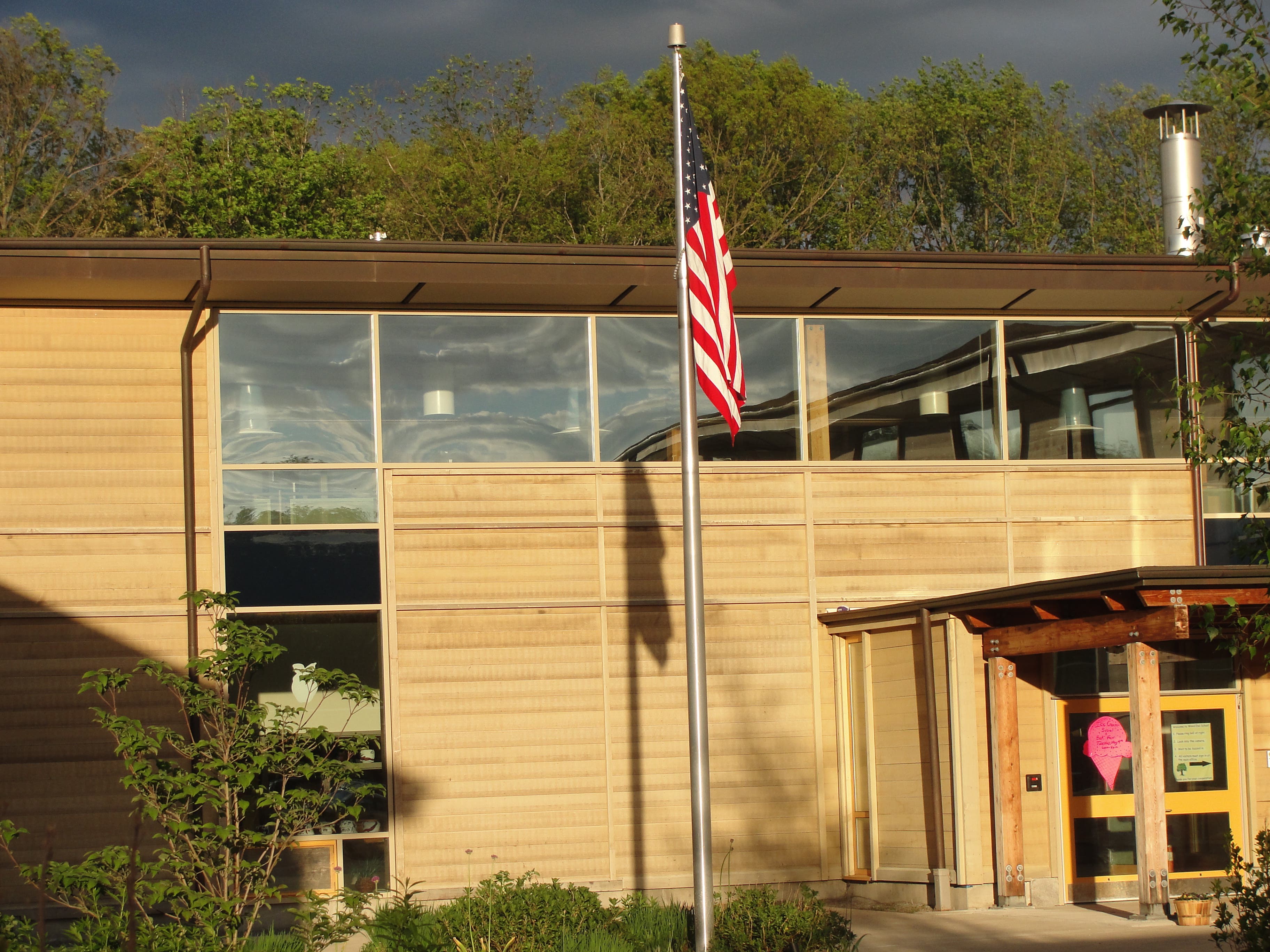
The Reading School Committee has set the wheels in motion to begin to provide free, full-day kindergarten for all Reading kindergartners. The committee voted 6-0 Monday to direct school administrators to begin that process.
If the school department provides all-day kindergarten to all kindergartners, the town in Chapter 70 money, Assistant School Superintendent for Finance and Administration Mary DeLai told the committee last month – if the program is free. Now Reading offers full-day kindergarten as an option. Parents who elect that option pay for half a day of school time.
The motion to expand kindergarten to full day did not include the word “free.” The phrase “for all students” means free, committee Chairman Karen Janowski said.
Find out what's happening in Readingfor free with the latest updates from Patch.
The motion did not specify when the program would start or where the students would be housed.
The School Committee, Board of Selectmen and Finance Committee will meet on Sept. 10 at the , starting at 7 p.m., to discuss school space needs.
Find out what's happening in Readingfor free with the latest updates from Patch.
A building committee, not the School Committee, would have to look into new school space, Superintendent John Doherty said Monday. That’s beyond the scope of the School Committee, he said.
The School Committee has been five elementary schools for a year and a half, according to Doherty. A consultant, Frank Locker, presented a report this past June. His conclusion: those schools have a shortage of space, not because of enrollment, but because of new and expanding programs, from optional full-day kindergarten to special education programs to a desire to provide dedicated art and music space in each school to maintaining class size.
Leasing a modular unit at each elementary school could cost a total of about $1 million for three years, including installation and removal, according to DeLai, based on an estimate from a modular building vendor.
Putting modular structures at the elementary schools has gotten a thumbs down from the committee, not by formal vote, but in discussion, and from some members of the audience at Monday’s meeting.
The School Committee seems to prefer building a new early childhood education center on town-owned land off Oakland Road for both kindergartners town-wide and pre-schoolers in the town’s RISE pre-school program.
The committee did not include RISE in Monday’s motion.
It’s risky to talk about a permanent, long-term solution to the space squeeze, DeLai said Monday, because school officials are not sure how the Commonwealth’s School Building Authority would respond to a request for partial funding for a project for kindergartners and preschoolers. A community does not go to the state agency with plans for a specific building, according to the discussion. Rather, the community goes with a problem and works with the building agency to try to solve it.
As for town-wide full-day kindergarten, School Committee member Chris Caruso expressed reservations. We don’t have the space; we don’t have the money, he said.
Bring the $1 million from the state to Reading, School Committee member Rob Spadafora urged, so parents don’t have to pay for it.
If parents want full-day kindergarten, let them pay for it, said resident Bill Brown.
Doherty again presented reasons why full-day kindergarten benefits students. It increases their readiness for school; raises academic achievement, literacy and retention; reduces remediation; and prepares students for the Reading schools’ core curriculum, he said.
Reading instituted full-day kindergarten on a trial basis in 2005, Doherty said. It’s grown.
School administrators have published a survey on line, on edline, about the elementary and pre-school space needs. Responses are welcome, Doherty said, until Sept 5. More than 500 people have responded out of 6,000, a good response rate, Doherty said.