Politics & Government
Judge Orders Town to Fully Fund Police Quinn Bill Raises
Ruling requires North Reading to pay full educational incentives despite sharp cutbacks in state reimbursement; Reports say the ruling could cost the town $180K per fiscal year.

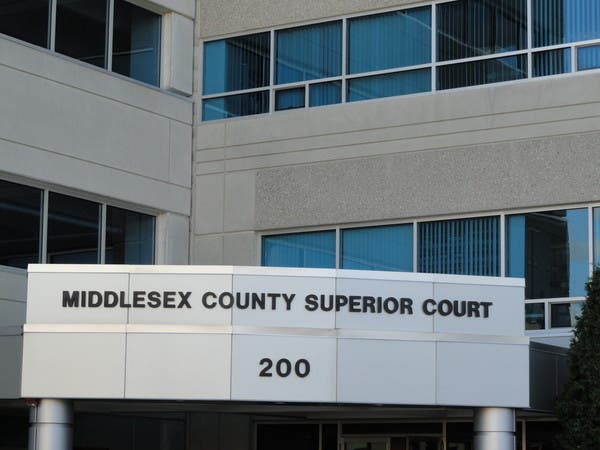
A Middlesex Superior Court judge has ordered North Reading to pay police officers their full raises allowed under the Quinn Bill despite significant reductions in state reimbursement for the payments.
Judge Kathe Tuttman, in a decision dated Dec. 17, ordered the town to pay for the raises for all police officers who qualified for the educational initiative under the law dating back to July 1, 2009, according to an article first reported Thursday by The Boston Globe.
The town has not decided whether it will appeal the ruling, the Globe reported. Town Administrator Greg Balukonis told the newspaper that the decision could cost the town around $180,000 per fiscal year if it had to fully fund the raises.
Find out what's happening in Readingfor free with the latest updates from Patch.
Representatives for the town and the union representing police could not immediately be reached for comment Thursday.
The Quinn Bill, passed in 1970, provides police officers with pay raises for receiving a law enforcement, criminal justice or law degree, according to the Globe. Officers must attend a college approved by the state, and they will receive a 10 percent increase in pay for an associate's degree, 20 percent for a bachelor's degree, and 25 percent for a master's or law degree, the Globe reported.
Find out what's happening in Readingfor free with the latest updates from Patch.
According to the law, the state must reimburse municipalities for half the cost of the raises. However, the state has cut contributions dramatically since 2009, Tuttman wrote in her decision.
In fiscal year 2009, the state reimbursed North Reading approximately $163,425 for Quinn Bill expenses, Tuttman wrote. In 2010, the state cut that reimbursement to $27,119, according to the court decision.
An April 2009 agreement between the town and the union stipulated that the town would pay its 50 percent share of Quinn Bill reimbursements, plus whatever money the state contributed. The town's 50 percent portion under the agreement would be a 5 percent pay raise for an associate's degree, a 10 percent increase for a bachelor's degree and a 12.5 percent increase for a master's degree, according to court documents.
Tuttman ruled that state law supersedes the town's agreement with the union, meaning the town must pay police officers their full pay raises dating back to July 1, 2009.
Several other municipalities around the state are involved in similar lawsuits. The Boston Police Patrolmen's Association has a lawsuit pending at the state Supreme Judicial Court, according to the Globe. Mashpee, Falmouth and Wrentham also have cases pending in superior courts, according to a recent report from the Patriot Ledger in Quincy.
Get more local news delivered straight to your inbox. Sign up for free Patch newsletters and alerts.