Schools
Reading Could Receive $1.1 Million to Provide Free, Full-Day Kindergarten
Should the School Committee look for space for both the kindergarten and pre-K programs?
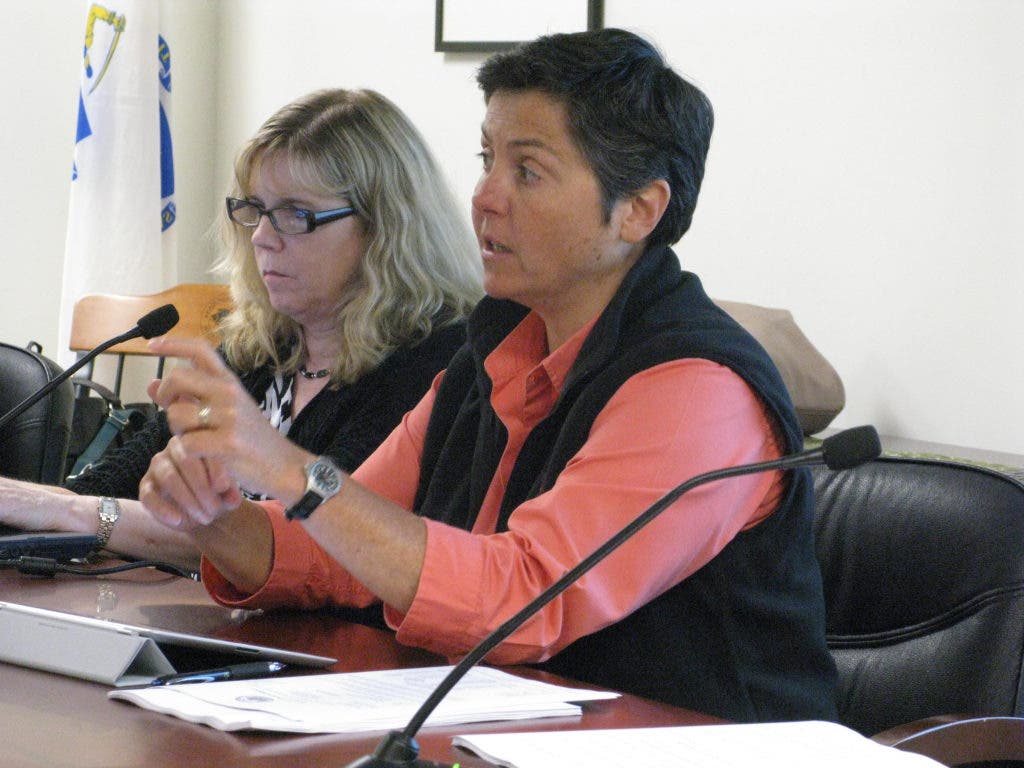
The town could receive $1.1 million in new Chapter 70 money from the state for offering free, full-day kindergarten, School Assistant Superintendent of Finance and Administration Mary DeLai told the School Committee Monday night.
Programs like all-day kindergarten are , according to the committee, which is looking at . One is a combined kindergarten and RISE early childhood education center on town-owned land on Oakland Road.
Future Chapter 70 funding would be subject to state legislative approval, DeLai told Patch.
Find out what's happening in Readingfor free with the latest updates from Patch.
Besides the Chapter 70 funds, a grant is available for communities transitioning to full-day kindergarten, DeLai said: $10,000 for each of Reading’s seven half-day kindergarten classes, or a total of $70,000. The grants are very competitive, she said, and based on a community’s need.
Once a community offers free, full-day kindergarten, another grant is available, she continued, at $10,000 per full-day kindergarten classroom. In Reading’s case, with 16 kindergarten classrooms, the amount would total $160,000.
Find out what's happening in Readingfor free with the latest updates from Patch.
Reading receives $800,000 in tuition from parents of full-day kindergartners, DeLai said: $4,200 per child.
Free, full-day kindergarten is a ”no brainer,” said committee member Rob Spadafora.
But Spadafora said he was “worried about making a full-court press” to the community for space for both full-day kindergarten and RISE.
The town is obligated to offer a preschool program for children with special needs starting at age three, DeLai told the committee.
Financially, the community might have to pay for students to attend a special ed program in another community, said Director of Student Services Alison Elmer if the program is not provided here. Further, if the town lacks space for typical students in the program, it will not receive tuition from them.
Reading will need 10 to 12 classrooms for RISE, Delai said, based on a projected enrollment of 200 students. Moving the program out of the would free space there for the “bubble” of students who will attend the high school next year, according to the discussion. New space for RISE would also bring students in that program at the together and open 1.5 classrooms at Wood End.
Would the Massachusetts School Building Authority help fund a pre-school?
“They didn’t say ‘no,’” school Superintendent John Doherty told the committee. The agency has not funded a building for pre-kindergartners, said DeLai. A community does not go to the school building authority with a building plan, she said. Rather, you show them how your space does not accommodate your education plan, she said, and work with them to resolve that issue.
A modular pre-kindergarten and kindergarten could cost between $9 million and $11.2 million, DeLai said. That figure does not include the cost of land. She recommended that the committee members visit a modular preschool in North Andover that didn’t feel, she said, like a modular building.
The committee is scheduled to meet next on Aug. 27 to further discuss the school space issue and to explore modifying the town’s capital plan, which includes $400,000 to buy modular classrooms this fiscal year, which will end on June 30, 2013, as a long-term solution to space squeeze. The school department could rent modulars, short-term, and use some of the money for a feasibility study for kindergarten and RISE space.