Politics & Government
Sen. Lewis, Rep. Haggerty, & Mass. Legislature Protect Free Expression & Guard Against Political Book Bans
New law creates clear guidelines for how schools and public libraries decide which books to make available and how and when to remove them.

BOSTON—State Senator Jason Lewis and State Representative Richard Haggerty joined their colleagues in the Massachusetts Legislature to protect freedom of thought and expression in Massachusetts schools and public libraries and safeguard open access to books and other educational materials.
As school and public libraries nationally are increasingly faced with politically-charged debates over banning access to particular library books, this legislation creates clear guidelines for how schools and libraries decide which books to make available, and how local leaders determine whether a book is appropriate or should be removed from the shelf.
“In our increasingly polarized society, protecting freedom of expression and the right to read are of paramount importance,” said Senator Jason Lewis. “Malicious and politically motivated book bans are being used to silence the voices and stories of diverse and underrepresented authors in our communities, but this new law establishes clear policies and transparent review processes to defend literature and freedom of thought from political attacks.”
Find out what's happening in Readingfor free with the latest updates from Patch.
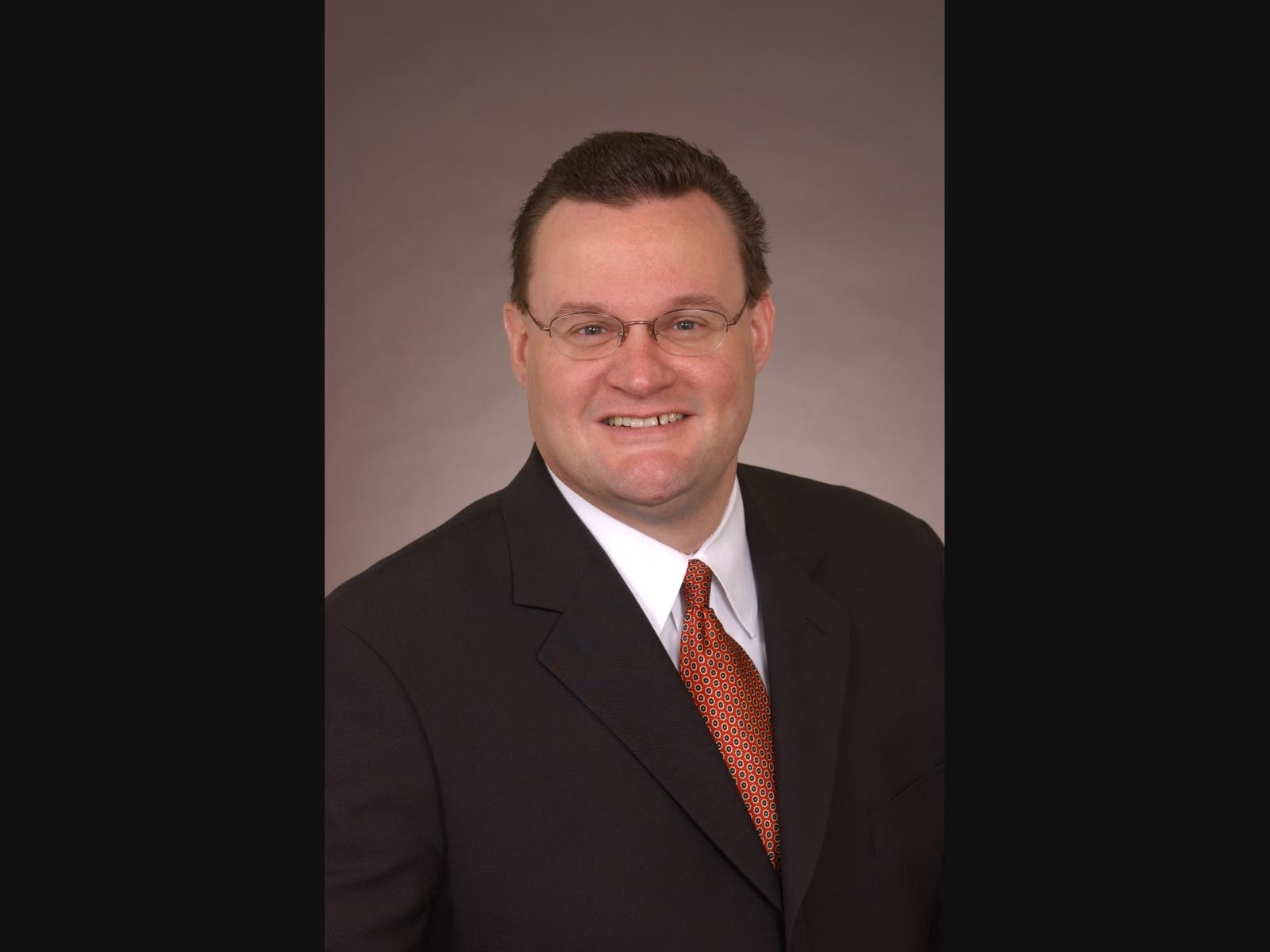
“It's completely fair for a parent to decide what their own children read, but those same parents and others can't make that decision for every other family in our community,” said Representative Richard Haggerty. “Under this bill, reviewing school and public library materials follows a clear and fair process, led by trained librarians, so those decisions on what materials are available reflect the whole community. It protects the freedom of expression our libraries are built on and keeps our schools places where learning comes first, so students and people of all ages can freely access the full range of materials and ideas protected by free speech.”
Highlights of the free expression legislation include:
Find out what's happening in Readingfor free with the latest updates from Patch.
- Setting clear standards for school library materials by requiring that materials be age-appropriate, serve an educational purpose, and be chosen based on a teacher or employee’s professional training—leaving aside any of their own personal, political, or doctrinal views that could affect whether or not they place the book on the shelf. The law also requires that all school districts adopt their own policies on how to select library materials that aligns with American Library Association standards.
- Setting a threshold for removing books by establishing a clear process for challenging school library materials that can only be initiated by school staff, parents or guardians, and students, and that leaves the book in question on the shelf until an official ruling. The process requires a public hearing, an inspection by a review committee of local school personnel, and a vote by the local school committee before removing a book. A student, parent, or guardian can contest the school committee’s decision to remove library materials by challenging the decision in court.
- Offering assistance to municipal public libraries by directing the Board of Library Commissioners to provide resources to assist local public libraries in developing policies that cover the selection and use of library materials, the development of library collections, and the process to respond to any challenges to remove or restrict access to books and other materials. The law requires policies to include a statement that library materials shall not be selected, proscribed, or removed based on personal, political, or doctrinal disapproval or bias.
- Providing opportunities for appeals by allowing authors, creators, and residents of a city or town to appeal decisions to remove materials from a municipality’s local public library through Superior Court.
- Protecting librarians acting in good faith from professional, civil, or criminal penalties based on their selection of library materials, provided that the decision was made in good faith and in accordance with local policies.
- Collecting data from school and public libraries to track book challenges and their outcomes at the state level.
After passing in both the Senate and the House of Representatives, Governor Maura Healey signed the bill into law on August 10, 2026.