Politics & Government
Five Ways North Reading Can Become More Walkable
A representative from the Metropolitan Area Planning Council recently outlined how towns can make neighborhoods more pedestrian friendly.

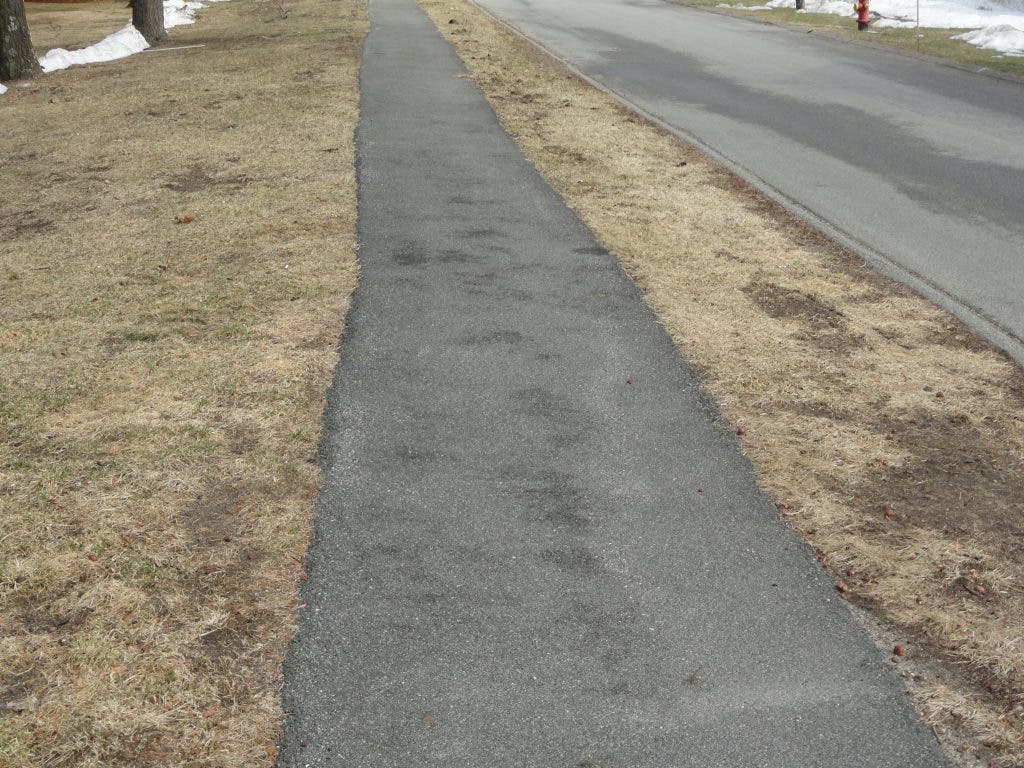
Sidewalks, those paved walkways that in parts of town are starting to emerge from underneath mountains of snow, were a hot topic at last week's Pedestrian Sidewalk Committee meeting at .
David Loutzenheiser of the Metropolitan Area Planning Council outlined the steps communities need to take to improve pedestrian access. Although some of the newer subdivisions in town have sidewalks, pedestrian facilities along major thoroughfares and in other neighborhoods are lacking, Loutzenheiser said.
Five of the steps Loutzenheiser outlined, which come from the council's Boston Region's Pedestrian Transportation Plan, include the following:
Find out what's happening in Readingfor free with the latest updates from Patch.
- Build an inventory. The first step towns should take is to identify which major streets are not walkable, Loutzenheiser said. The issue of whether funding is available is irrelevant at this point in the process, he said. "Whether it takes 10 years or 20 years, it's getting a handle on where the missing sidewalks are," he said.
- Tackle road projects and pedestrian projects together. Every time the town repaves or rebuilds a street, that is an opportunity to add or improve pedestrian access, Loutzenheiser said.
- Change design habits. Loutzenheiser said buildings should encourage pedestrian access. Placing entrances facing the street are part of that, he said.
- Look at crosswalks. Painting crosswalks in thick, white stripes with reflective paint is a better way to identify a crosswalk than the traditional parallel white lines. Drivers are more likely to see the thick stripes, he said. Loutzenheiser also said some towns are adding curb extensions at crossings, which narrows the road and forces drivers to slow down when approaching a crosswalk.
- Build a buffer. Instead of building a sidewalk up against the street, place a grass strip between the roadway and the walkway. This will separate pedestrians from cars, and it also will allow a place for plows to deposit snow in the winter, Loutzenheiser said.
Loutzenheiser also addressed snow removal issues for sidewalks. Each community should develop and enforce snow-removal policies, he said.
"We see this as an equity issue," he said.
Find out what's happening in Readingfor free with the latest updates from Patch.
Loutzenheiser acknowledged the a one-size-fits-all sidewalk snow-removal policy for every community would not be ideal, as what may work in Boston may not necessarily work in North Reading, he said.
North Reading's snow-removal bylaw requires businesses to clear snow from abutting sidewalks after a snowstorm, but it does not require residential property owners to shovel walkways. The town generally clears snow from walkways around schools.
Read more about the MAPC Boston Region's Pedestrian Transportation Plan at the MAPC website.
Get more local news delivered straight to your inbox. Sign up for free Patch newsletters and alerts.