Schools
What is Open Circle and Social Emotional Learning?
Glen McKay explains the character education program.

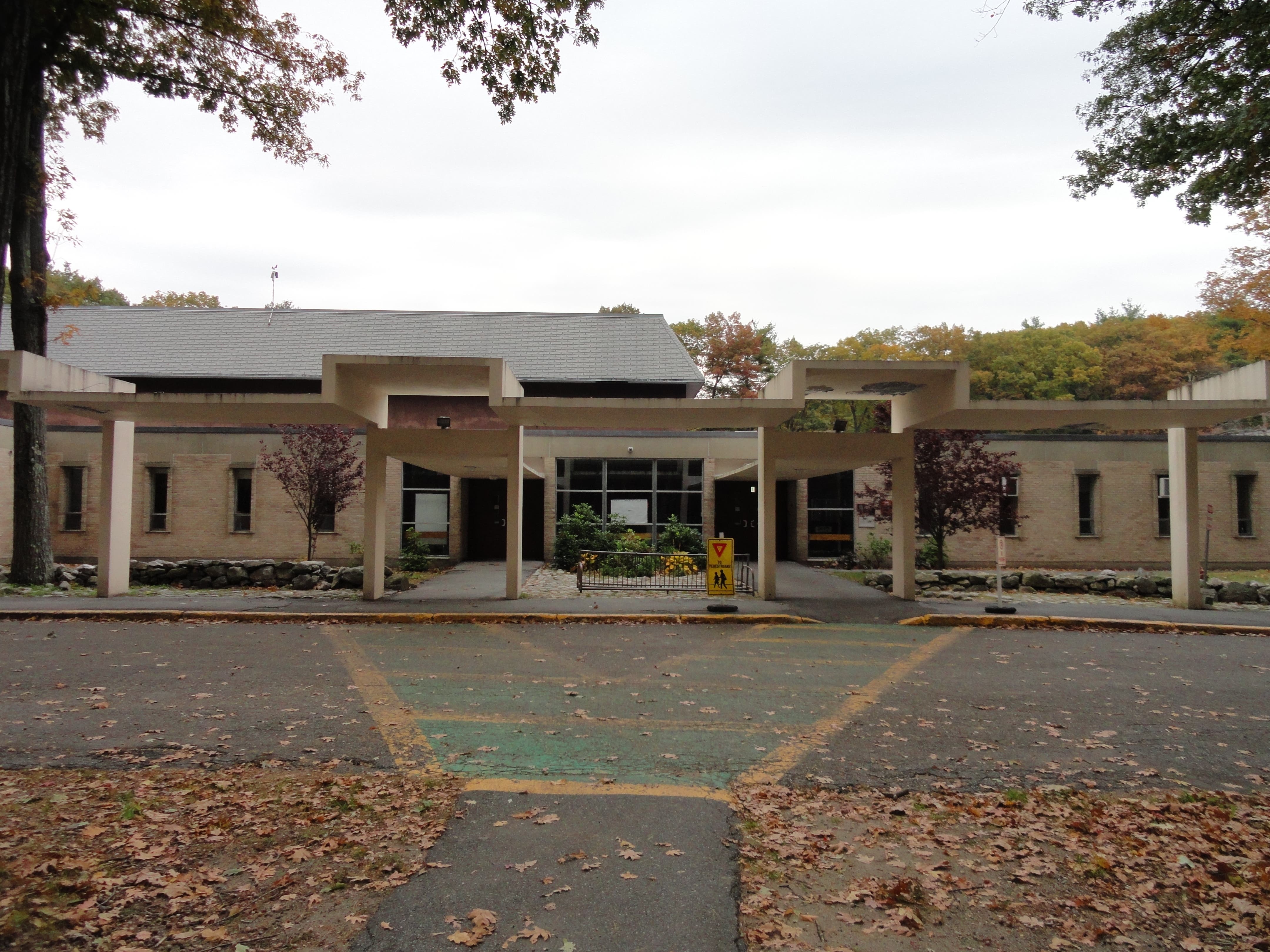
[Editor's note: The following article was contributed by the . The content in the article represents the sole view of the North Reading Public Schools.]
By Glen McKay, J. Turner Hood School Principal
In each of the elementary schools in the the faculty utilizes a social emotional learning curriculum program called Open Circle to address social and emotional learning. Open Circle is a character education program founded on the belief that social and emotional learning are as important as academic learning in the classroom.
Find out what's happening in Readingfor free with the latest updates from Patch.
This program has a strong emphasis on cultivating a climate to prevent bullying behavior, as well as teaching children the tools necessary to advocate for both themselves and others.
Social and Emotional Learning (SEL) is a process for helping students develop the knowledge, understandings and skills that support positive behavior and constructive social relationships. SEL is an approach that teaches students to recognize, regulate and express the social and emotional aspects of their lives so they can operate successfully in the world and manage life tasks.
Find out what's happening in Readingfor free with the latest updates from Patch.
According to research, social and emotional learning increases self esteem and well being and, at the same time, works to prevent negative behaviors such as violence, truancy, and bullying. Research has shown us that children who feel safe and are able to work with others in a classroom learn more effectively, have a sense of responsibility, and care about others.
Our goal is for all students to feel cared about, welcomed and valued by all members of our elementary school community. Furthermore, in recent years we have learned that the social competency of children is strongly tied to both social and academic success and the development of higher-level thinking skills.
Open Circle was created in 1987 at Wellesley College. The goals of the program are to build a cooperative and caring environment in the classroom, to enhance the communication and problem solving skills of students, and to enable students to develop self control and to take responsibility for their own behavior. These skills are linked to creating good friendships, higher level thinking, and academic achievement.
The Open Circle Curriculum is implemented two times a week for 15-30 minutes during the school year in many of our classrooms. Teachers and students meet in an Open Circle. The curriculum provides a structured format to facilitate the teaching of social competency skills in elementary school classrooms.
It also provides a context for discussion of other issues important to the class. After each cluster of lessons, students are asked to reflect on what they have learned and evaluate their use of the skills presented.
Children discuss the skills of listening and speaking up. They may learn how to give a compliment by being truthful, specific, and positive and how to receive a compliment with a “thank you!” The class discusses “Double D” behaviors. A “Double D” behavior is dangerous or destructive. The program also discusses the difference between “Double D” behavior and annoying behavior.
Teasing and bullying are also defined and we teach what students can do when confronted by a bully and why and when it is appropriate to tell an adult. These conversations teach children to express their feelings. Children learn how to put their feelings into words by using an “I” statement, “I feel ____ because ______.”
Some things you can do at home are ask your children to tell you their classroom’s rules, what it means to be a good listener, how to give a complement, and what a Double D is or what to do when someone is bothering them. You may want to share how you solve problems or read a book on sharing and friendship. There is a bibliography of children’s literature that addresses many of these issues on the Open Circle website: www.open-circle.org.
It's not enough to simply fill students' brains with facts. Educators must also help children develop the skills to manage their emotions, resolve conflicts nonviolently, and make responsible decisions.
Get more local news delivered straight to your inbox. Sign up for free Patch newsletters and alerts.